Oil and natural gas futures prices have increased significantly since the onset of the Iran war but remain below the actual supply shortages affecting Asia and beyond. The closure of the Strait of Hormuz, a critical route for global energy supplies, is causing major disruptions. Chevron's CEO highlighted that the physical impacts of this closure are not fully reflected in market prices. Asian countries are facing severe supply shortages, prompting energy conservation measures. The market is trading on limited information, and supply changes will take time to adjust even if the strait reopens.
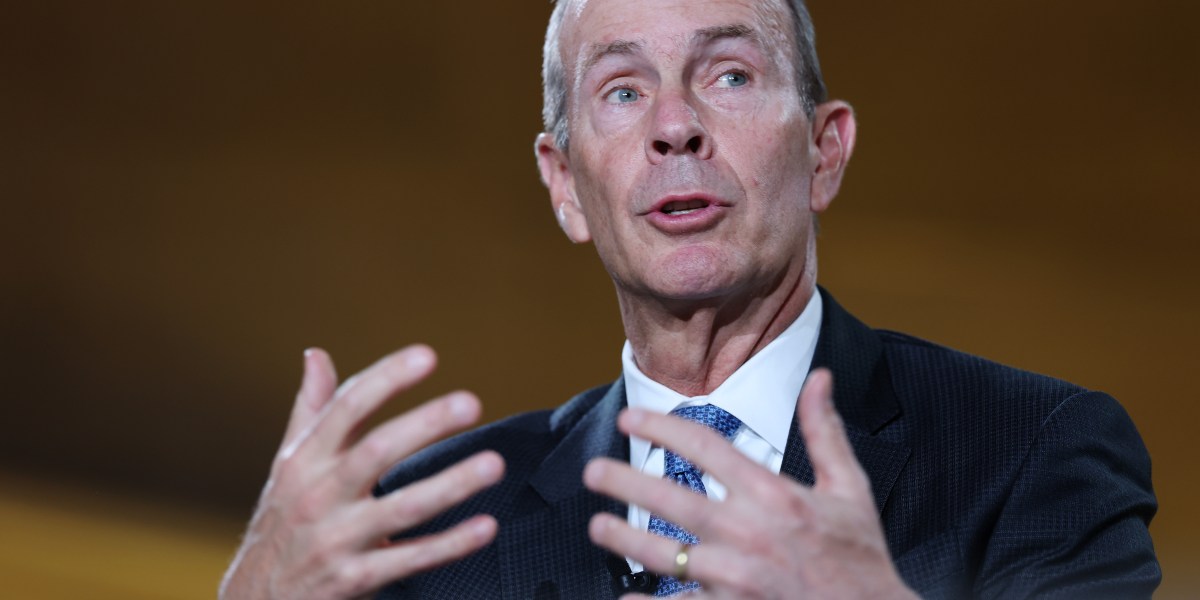
""There are very real physical manifestations of the closure of the Strait of Hormuz that are working their way around the world through the system that I don't think are fully priced in," said Chevron CEO Mike Wirth."
""The fundamentals are very tight out there. The markets are trading on scant information," Wirth said."
""Physical supply changes don't respond immediately. Even when the strait reopens at some point, it will take time," he added."
Read at Fortune
Unable to calculate read time
Collection
[
|
...
]