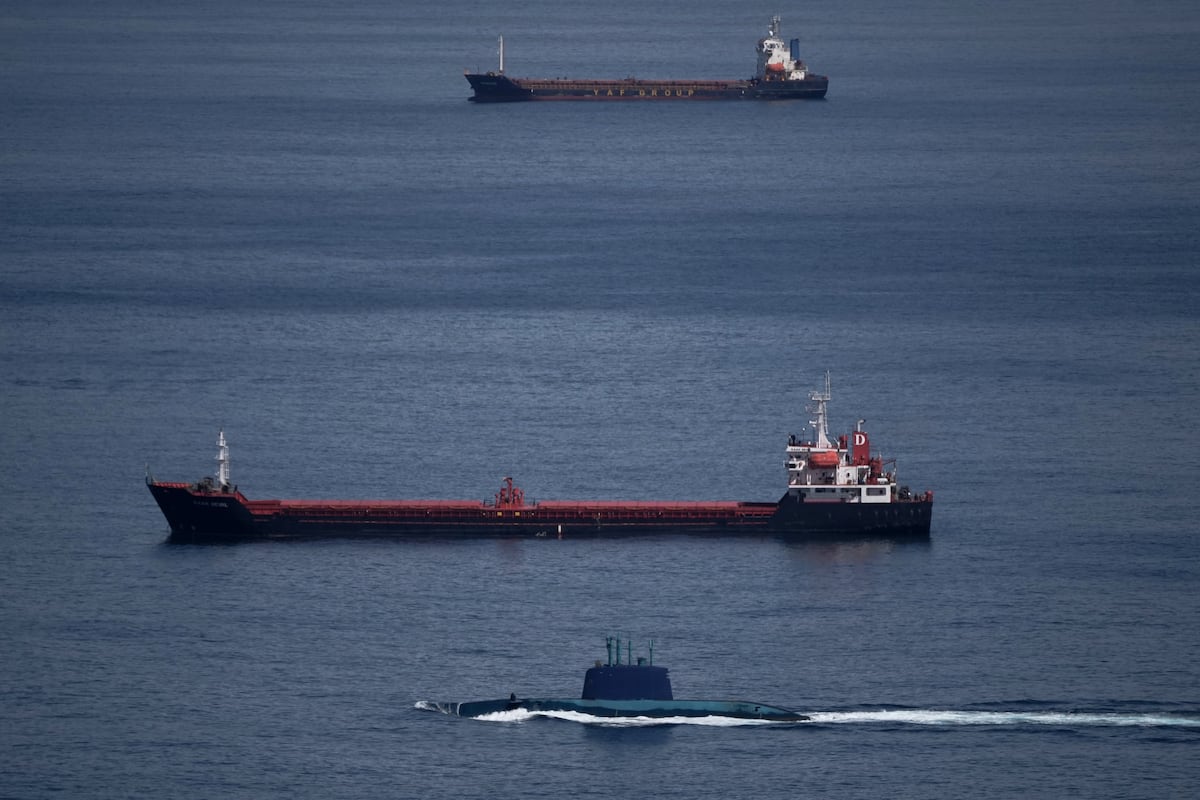
Middle East conflict escalates following US intervention in Venezuela and major military action against Iran. The potential blockade of the Strait of Hormuz—through which one-fifth of global oil and gas passes—threatens severe energy market disruption. While defense analysts believe Iran lacks capacity for sustained blockade, short-term market reactions are expected to be sharp. Higher freight rates, transport costs, insurance premiums, and crude oil shortages will drive price increases. The duration determines impact severity. If closure lasts days, strategic reserves and alternative routes may stabilize markets quickly. Longer disruptions could trigger sustained price spikes and broader economic consequences beyond energy markets.
"The blockade of the Strait of Hormuz—partial or total, it remains to be seen—will trigger sharp price increases as soon as markets open on Monday as it is a crucial energy corridor through which one fifth of the global oil and gas market passes. The duration and scope of that blockade are crucial for estimating its impact on prices."
"In the short term, however, no one is expected to risk using this route, and that will lead to higher freight rates, transport-related costs and insurance, some shortages of crude oil and gas and, therefore, a sudden rise in prices. If the closure of the strait lasts only a few days, the price spike is likely to fade quickly, as countries would draw on their strategic reserves to stabilize the market."
"Defense and security analysts believe that Iran does not have the capacity to block the Strait of Hormuz in the medium term. The United States has already announced that it will escort cargo vessels wishing to cross."
#strait-of-hormuz-blockade #energy-market-disruption #geopolitical-risk #oil-and-gas-prices #iran-us-military-conflict
Read at english.elpais.com
Unable to calculate read time
Collection
[
|
...
]