World politics
World politics
[ follow ]

World politics
fromwww.theguardian.com
12 hours agoThe Guardian view on Israel and Gaza: the threat of further humanitarian catastrophe | Editorial
Israel’s Gaza expansion and proposed control would force over two million Palestinians into a shrinking, already overcrowded area amid continued military assault.
fromwww.theguardian.com
1 day agoThe US wants regime change in Cuba. But Havana's European friends have deserted it too | Paul Taylor
The world won't lift a finger to shield Cuba from Trump's deadly squeeze or to prevent regime change. Even indignation is in short supply. This is partly because Cuba's traditional friends and allies Russia, Venezuela, Mexico and Brazil are either disabled, distracted or have bigger fish to fry with Washington. It is also because Cubans' plight is overwhelmingly due to their country's feckless rulers, who have done little to help their own people.
World politics
fromwww.theguardian.com
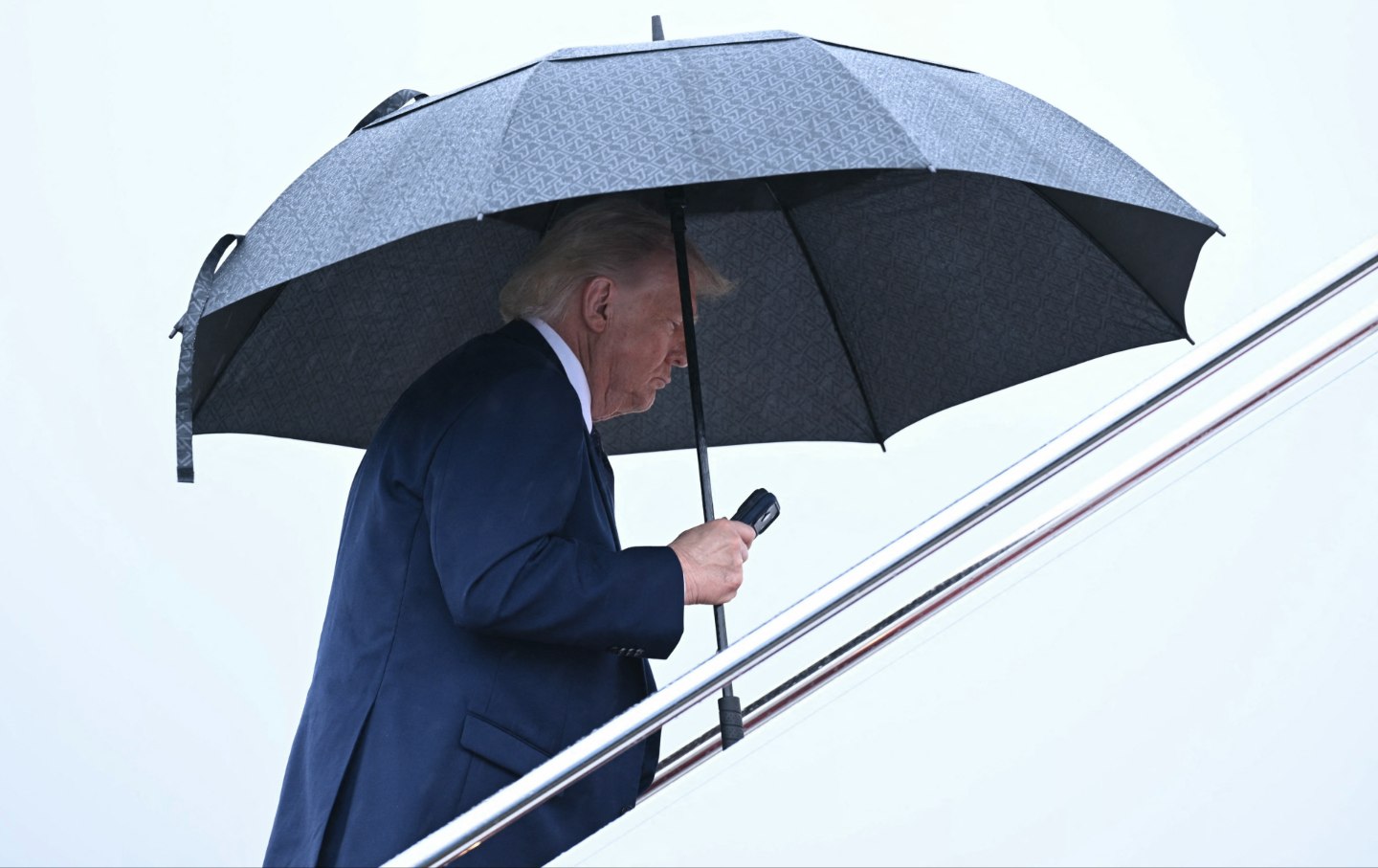
17 hours agoDigested week: Is it pedantic to point out Trump is ending' a war he started? | John Crace
The ending of the war between the US and Iran does seem to depend on your definition of the word ending. If by declaring you have won a war that is in stalemate is a means to an end, maybe we are halfway there. If also the US and Iran launching missile strikes shortly after Trump declared an imminent peace deal is progress then we should grab it with open arms.
World politics
fromLondon Business News | Londonlovesbusiness.com
18 hours agoTokyo on alert over Russian naval expansion and China alignment in Pacific - London Business News | Londonlovesbusiness.com
“The military activities of Russia in the region are a cause for serious concern along with its strategic cooperation with China,” Koizumi was reported as saying by broadcaster NHK.
World politics
fromwww.aljazeera.com
18 hours agoDangerous colonial occupation': Israel's digital West Bank land register
A controversial Israeli plan to digitally register property ownership in the occupied West Bank is a dangerous colonial occupation step that represents a direct assault on the historical and legal rights of the Palestinian people to their land and property, the Palestinian Land Authority has said.
World politics
fromwww.dw.com
14 hours agoEthiopia elections: Excluded Tigray remains on edge
There is not a single delegate in Ethiopia's outgoing lower house of parliament, known as the House of Peoples' Representatives, nor in the upper house the House of Federation currently representing the embattled Tigray region. Missing out on another election in 2026 will bring Tigray's total absence from the political arena in Addis Ababa to a full decade. Many wonder where this leaves the region, as tensions appear to flare up again.
World politics
#gaza
World politics
fromwww.theguardian.com
1 day agoIsrael's defence minister says large-scale Palestinian migration from Gaza will go ahead
Israel’s defence minister supports large-scale Palestinian departure from Gaza as part of long-term plans, framing it as voluntary migration while rights groups call it forced ethnic cleansing.



World politics
fromwww.scientificamerican.com
1 day agoTrump plan to give start-ups plutonium harvested from Cold Warera nuclear weapons is risky, experts say
Offering plutonium from dismantled weapons to private energy companies faces economic and national security concerns due to limited reactor compatibility and weaponization difficulty.
World politics
fromThe Cipher Brief
2 days agoNarco-Terrorism as Grey-Zone Warfare: Pakistan's Hidden Front Against India
Pakistan-facilitated narcotics trafficking into India functions as narco-terrorism, funding anti-India jihadist groups and sustaining transnational networks that threaten Indo-US strategic interests.

fromenglish.elpais.com
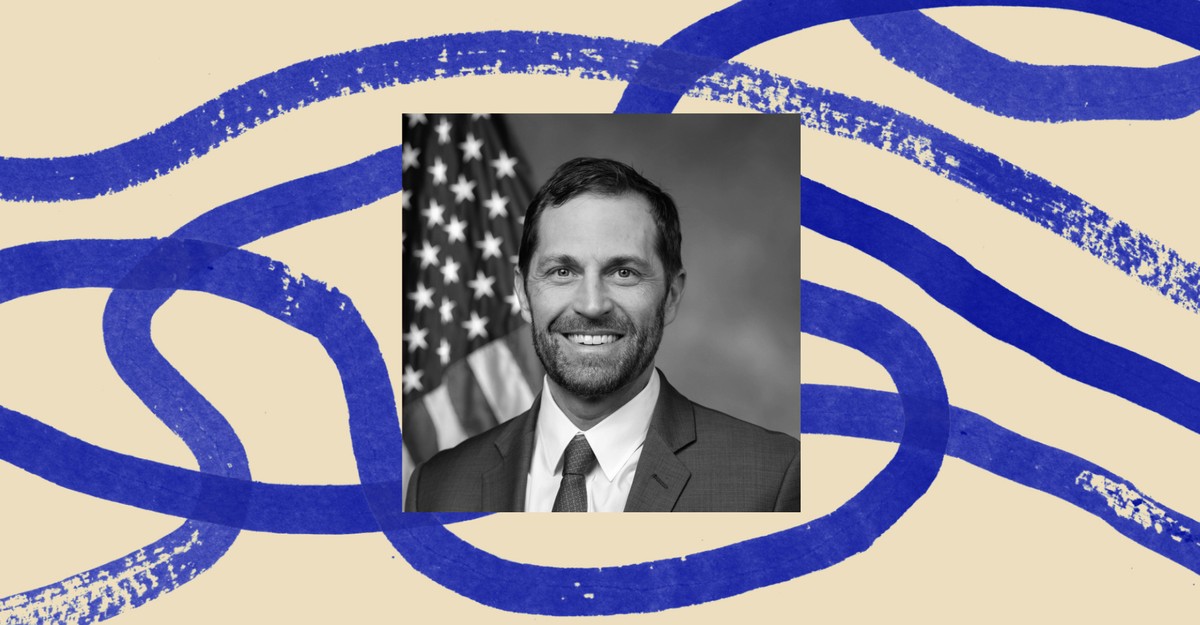
2 days agoRoberto Velasco: Mexico's sovereignty is the first thing that must always be defended'
The 38-year-old chief of the country's diplomacy who had already served in the role temporarily during his predecessor Jose Ramon de la Fuente's illness is suddenly facing one of the most delicate moments in bilateral relations with the United States since Donald Trump returned to the White House. The death of two unaccredited CIA officers in the Sierra Madre of Chihuahua; the U.S. Department of Justice's charges against Sinaloa's governor, Ruben Rocha Moya; the renegotiation of the USMCA trade treaty All of these issues push Velasco to choose his words with surgical precision, or even to steer clear of certain topics to avoid any hint of conflict.
World politics


fromwww.aljazeera.com
3 days agoThe Mali crisis could have a dangerous spillover effect
The Sahel region could see a major surge of instability unless urgent action is taken to seek a diplomatic solution. It has been almost nine months since rebel groups imposed a fuel blockade on Mali's capital Bamako. In late April, the conflict escalated further. The Al-Qaeda-affiliated Jama'at Nusrat al-Islam wal-Muslimin (JNIM), along with members of Tuareg separatist movements, launched a coordinated attack on the Malian army and its Russian allies, the African Corps (formerly Wagner), which killed the Malian Defence Minister Sadio Camara.
World politics
World politics
fromwww.aljazeera.com
3 days agoIsrael's occupation of Gaza, Lebanon, Syria extends beyond what maps show
Israeli military control boundaries in Gaza, southern Lebanon, and southern Syria have shifted from declared lines to mapped, on-the-ground positions verified with satellite imagery and GIS.

fromwww.aljazeera.com
4 days agoChina's Xi praises unbreakable' Pakistan ties as Sharif visits Beijing
Xi called Sharif an old friend and said the two countries had understood, trusted and supported each other over decades, forging an unbreakable traditional friendship. No matter how the international situation changes, China always prioritises the development of China-Pakistan relations in its neighbourhood diplomacy, Xi said. Beijing was willing to work with Islamabad to build a more close-knit China-Pakistan community with a shared future and achieve more in their all-weather cooperation, he added.
World politics
fromwww.aljazeera.com
5 days agoAfrica Day 2026: Has the continent achieved true liberation?
“We fought for the right to self-govern, and that political liberation can never be taken for granted,” says Mzee Josphat Kimanthi, 74, a retired civil servant in Machakos, Kenya. But Kimanthi also sees a widening gap between generations and a growing sense that the promises of independence have not fully translated into present realities. “We thought political freedom would automatically bring economic freedom. Instead, I watch my grandchildren struggle with the high cost of living under debts we did not sign up for,” he told Al Jazeera.
World politics
World politics
fromenglish.elpais.com
6 days agoThe Global South takes center stage in the art world: Could its cultural hegemony reshape geopolitics?
The Brandt Line helped define the Global South, which now shapes art biennials as Western universalism declines and alternative dynamics gain visibility.
[ Load more ]