"Jarrar, a writer, novelist, and performer, was raising her son in Texas in the early 2000s when she began giving public readings from what would eventually become her debut novel, Map of Home. It wasn't the easiest time to be a queer Arab American. The Iraq War was raging, and Islamophobia was rampant-even in supposedly liberal hot spots like Austin."
"During a Q&A after a reading at the Texas Book Festival, the room grew tense when a few audience members began heckling Jarrar-a reaction she says was, until recently, quite common. Her book's heroine is an underage Arab girl fleeing an abusive father, yet attendees insisted that the queer Palestinian characters in her story needed rescuing-especially if they were queer girls."
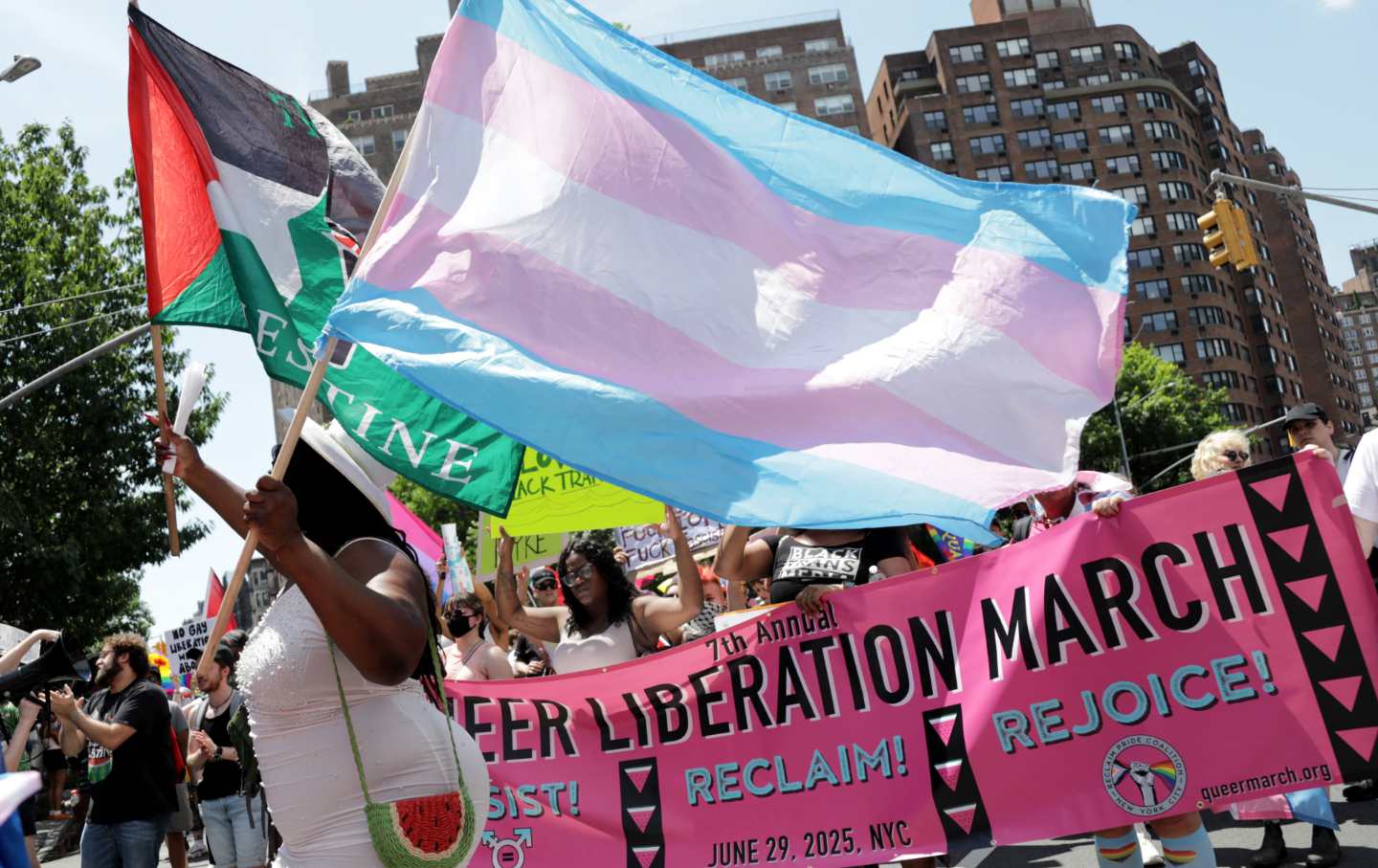
"The moment revealed a carefully rationed, transactional empathy that has become the hallmark of Western liberalism. Enough performed compassion to reaffirm the liberals' own righteousness, but a compassion rooted in paternalism and racism, and one that never risks unsettling the very power structures that enable oppression and suffering. Two decades later, these contradictions have again come to the fore in many queer spaces. Now, though, Palestine itself-and the genocide in Gaza-is the defining issue."
In the early 2000s in Texas, a queer Palestinian raising a son faced public heckling while reading publicly amid the Iraq War and rising Islamophobia. Audience members insisted that queer Palestinian characters needed rescuing, revealing a paternalistic response grounded in racism and transactional empathy. The reader rejected the notion that a Christian nationalist country hostile to queer people and killing Arabs could save anyone. Two decades later, queer communities again confront these contradictions as Palestine and the Gaza genocide become central issues, exposing competing visions of queerness: Western assimilationist validation-seeking versus anti-imperial solidarities.
Read at The Nation
Unable to calculate read time
Collection
[
|
...
]