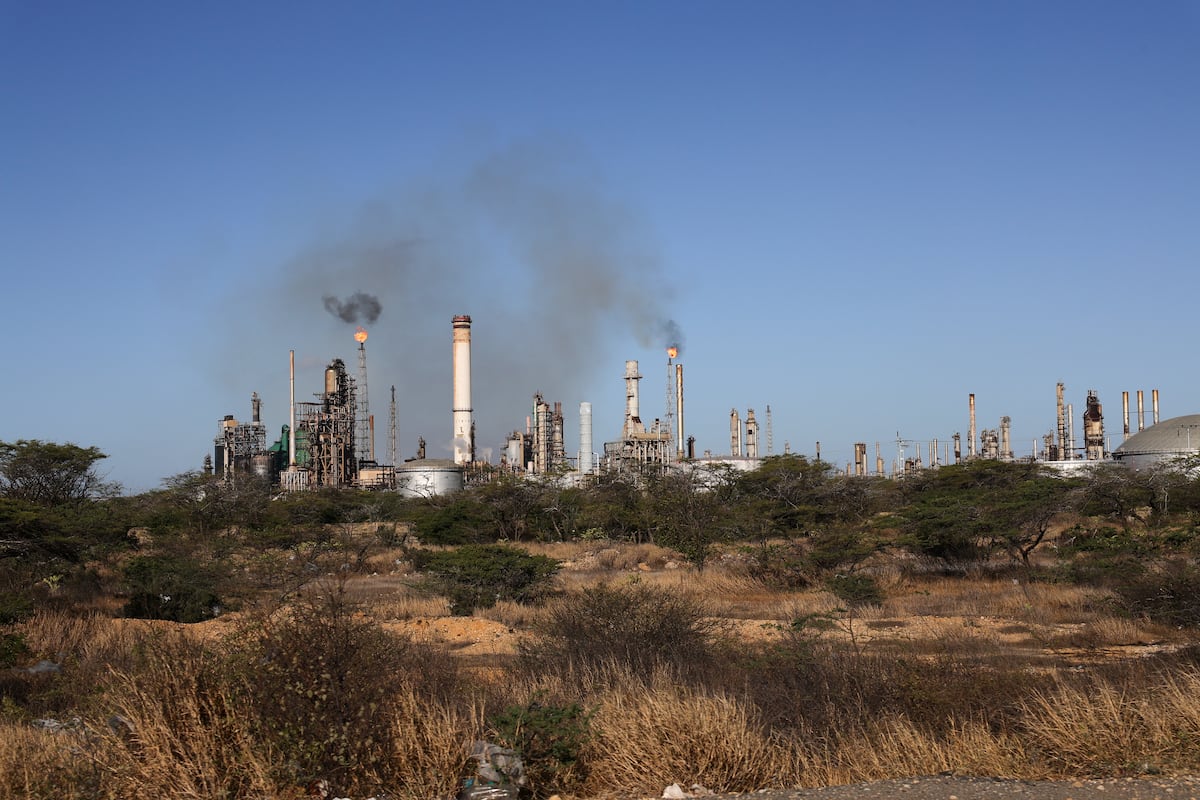
"The United States is going to control a significant portion of the oil flow. We estimate a maximum of 70% of the resources. And they are going to be very incisive about where those flows go, about how they enter the dynamics of the economy, says Asdrubal Oliveros, a business consultant with extensive connections in the Venezuelan ecosystem. On a positive note, we are likely to see less discretion in the allocation of foreign currency, adds the Caracas-based economist."
"Last week, the United States dismantled part of the sanctions that prevented oil companies like Britain's Shell and Spain's Repsol from operating in the country's vast reserves, while the U.S.-based Chevron is preparing to double its production. This prospect of a hydrocarbons reopening offers glimmers of optimism about the normalization of the country's battered finances, something that will come in dribs and drabs rather than in a whirlwind and will depend on the flows from oil sales controlled by the Donald Trump administration."
Political dynamics in Venezuela have shifted toward an uncertain cohabitation between the Chavista regime and MAGA-aligned forces, producing modest improvements in consumption, supply, and prices. Recent U.S. easing of sanctions has permitted companies such as Shell and Repsol to operate and has enabled Chevron to plan production increases, creating prospects for hydrocarbon revenue. A large share of oil flows will be controlled and directed by the United States, potentially up to 70%, influencing how funds enter the economy. A covert dollarization mechanism has emerged through petrodollar sales to banks and auctions for importers, and significant legal, tax, labor, and institutional reforms plus resources and political will are required to lower expropriation risks.
Read at english.elpais.com
Unable to calculate read time
Collection
[
|
...
]