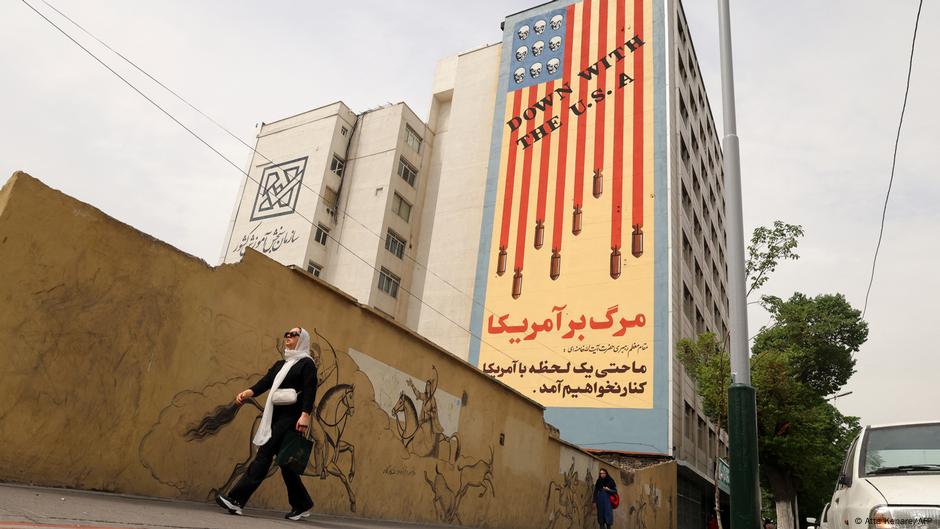
"A second round of indirect negotiations between Iran and the United States in Geneva on Monday ended without concrete results. Iranian Foreign Minister Abbas Araghchi and a team of technical experts met with US Special Envoy Steve Witkoff and US President Donald Trump's son-in-law Jared Kushner but both sides had little to show for it after over three hours of talks at the Omani embassy. Afterwards, Araghchi said the meeting was "more constructive" than the previous round held earlier this month."
""Good progress was made compared to the previous meeting, and we now have a clearer path ahead," Araghchi told Iranian state-run television. Araghchi added that "a set of guiding principles" had been reached, but did not share further details. "This does not mean that we can reach an agreement quickly, but at least the path has begun," he said. US-Iran talks mediated by Oman were launched on February 6, but it is currently unclear if another round is on the horizon."
""Optimism in negotiations is usually part of political rhetoric and also accompanied earlier rounds of talks," political scientist Mohammad Ghaedi at George Washington University told DW. "The core conflict between the two sides remains," he said, adding that Iran's uranium enrichment is a "red line" for Washington. "Tehran, on the other hand, does not want to give up enrichment. As long as the centrifuges are running, Iran retains the option of nuclear deterrence. If the centrifuges stop running, the country loses this deterrence," Ghaedi added."
Iranian Foreign Minister Abbas Araghchi and technical experts met with US Special Envoy Steve Witkoff and Jared Kushner for over three hours at the Omani embassy in Geneva. The second round of indirect negotiations ended without a concrete agreement, though Araghchi described the meeting as more constructive and said good progress and a clearer path had been achieved along with a set of guiding principles. Araghchi indicated readiness to remain in Geneva as long as necessary. The talks, launched on February 6 and mediated by Oman, have an uncertain future. Uranium enrichment remains a US "red line," while Tehran regards running centrifuges as essential to retain nuclear deterrence.
Read at www.dw.com
Unable to calculate read time
Collection
[
|
...
]