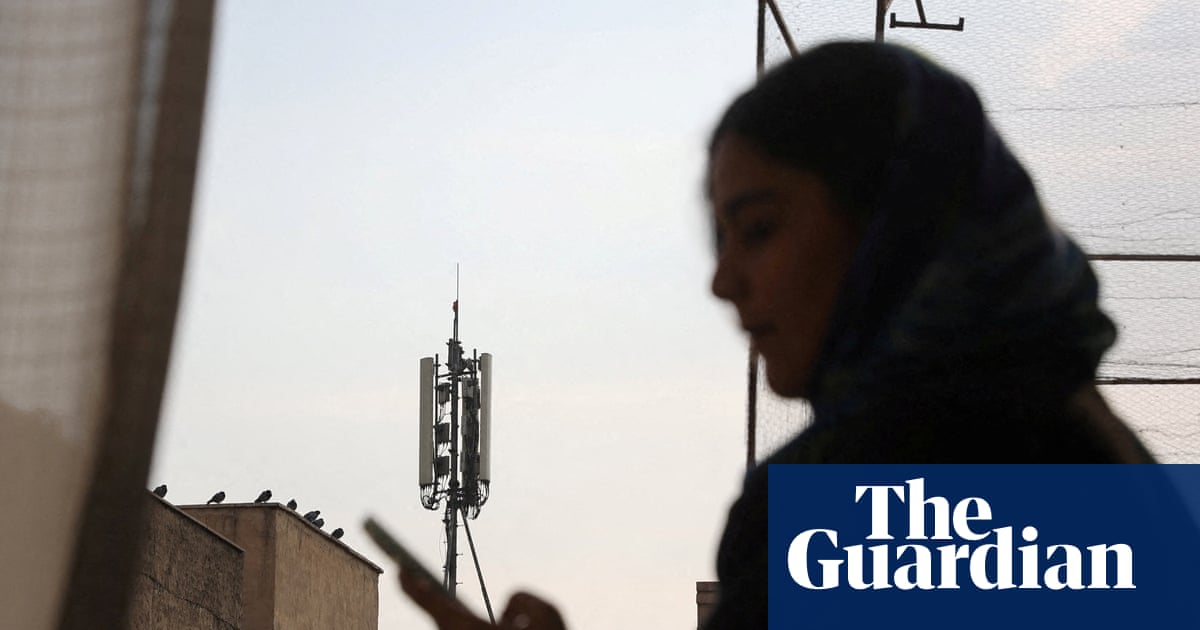
Large-scale internet restrictions allow partial domestic connectivity while blocking access to global information and preventing evidence from reaching the outside world. Users in restricted states can access government-approved apps, localized services and curated media but cannot view international reporting or share images and testimony of state violence. Multiple countries now enforce limited, nationalized internets or targeted shutdowns, including Russia, China, Myanmar, Afghanistan and Pakistan. A long-standing US effort funded circumvention tools to keep the internet interoperable, making shutdowns costly and isolating for governments. The internet remains shaped by powerful platforms and widespread misinformation despite these defenses.
"During the height of Iran's blackout in January, people could still access a platform that, in some senses, was like the internet. Iranians could message family members on a government-monitored app and watch clips of Manchester United on a Farsi-language video-sharing site. They could read state news and use a local navigation service. What they couldn't do was check international headlines about thousands of people being killed by government forces during one of the bloodiest weeks in recent Iranian history."
"More than half of Russia's regions are able to access only a limited, government-approved version of the internet through their mobile phones. The great firewall of China blocks most of the global internet, including sites such as Google and the Guardian. The Myanmar junta has experimented with targeted internet shutdowns and so recently have authorities in Afghanistan and Pakistan. For nearly two decades, the US backed a global effort to make it extremely difficult for governments to divide up the internet in this way."
Read at www.theguardian.com
Unable to calculate read time
Collection
[
|
...
]