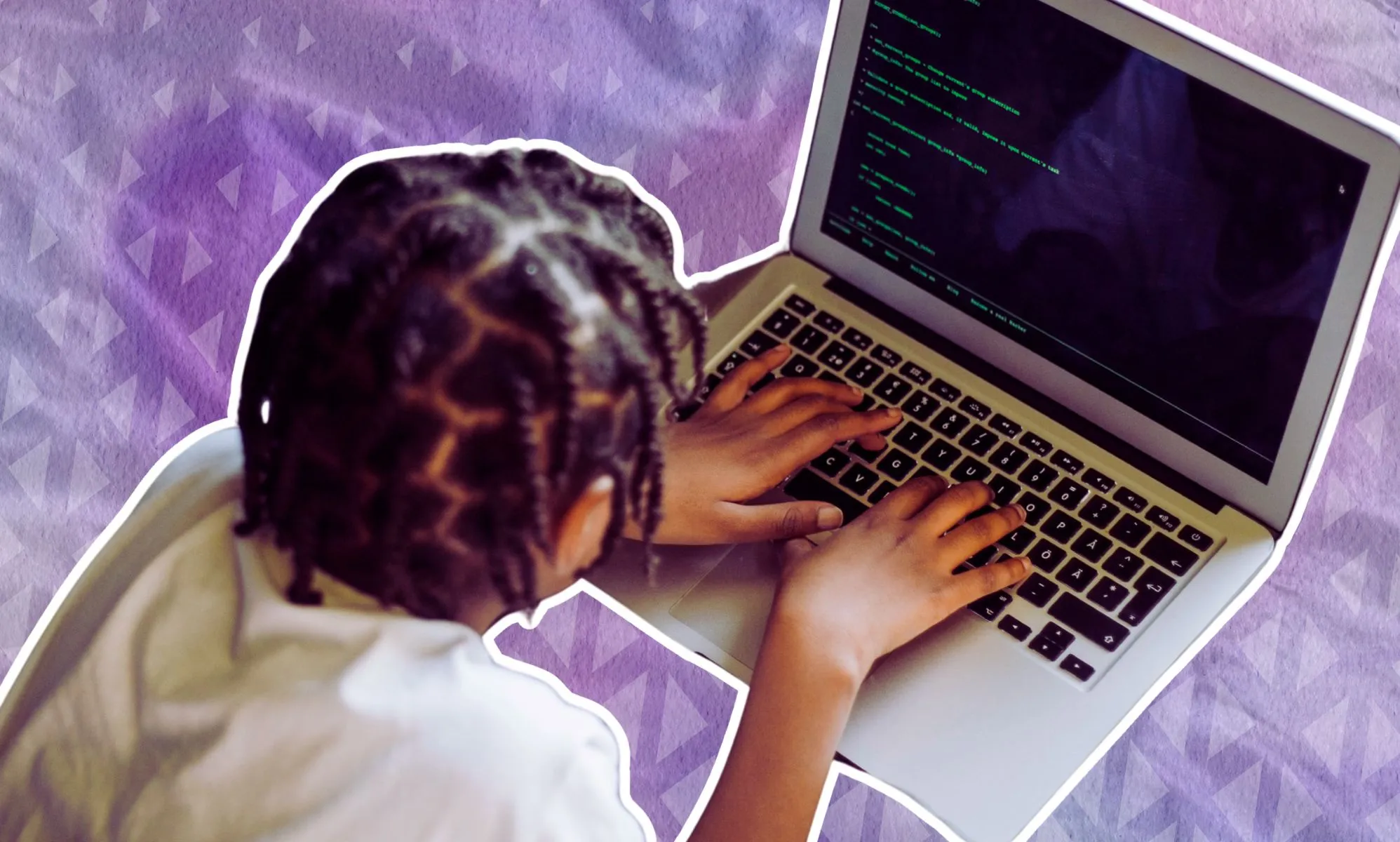
Russia's government has blocked access to popular gaming platform Roblox, citing concerns over child safety, terrorism and LGBTQ+ content. The country's media regulator Roskomnadzor claimed the US game, which has an estimate user base of 85.3 million daily active players, is inundated with "calls for violent crimes, and LGBT propaganda" and "inappropriate content that can negatively impact the spiritual and moral development of children".
According to opposition groups, who have dubbed it the gag law, one of the most alarming aspects is the total power granted to the Nicaraguan Institute of Telecommunications and Postal Services (TELCOR). At the head of this agency is Nahima Diaz Flores, daughter of the National Police Chief, Commissioner Francisco Diaz, and sister-in-law of one of the presidential couple's sons.
Internet watchdog NetBlocks has confirmed reports from inside Afghanistan that several major social media sites have been "intentionally restricted.""Metrics show social media platforms Instagram, Facebook and Snapchat are now restricted on multiple providers in Afghanistan; the incident follows last week's telecoms blackout and is the latest in a series of internet censorship measures imposed by the Taliban," NetBlocks, a watchdog organization that monitors cybersecurity and internet governance, said in a statement on October 8.
Have you ever clicked on a link only to land on an empty webpage with the message "Error 404" or "404 Not Found?" If so, you're not alone. There are several reasons this can happen the simplest being a misspelled URL. But increasingly, the cause is that the page has been deleted or moved, sometimes intentionally. That's why DW Fact check has put together a guide to help you find deleted or altered content.
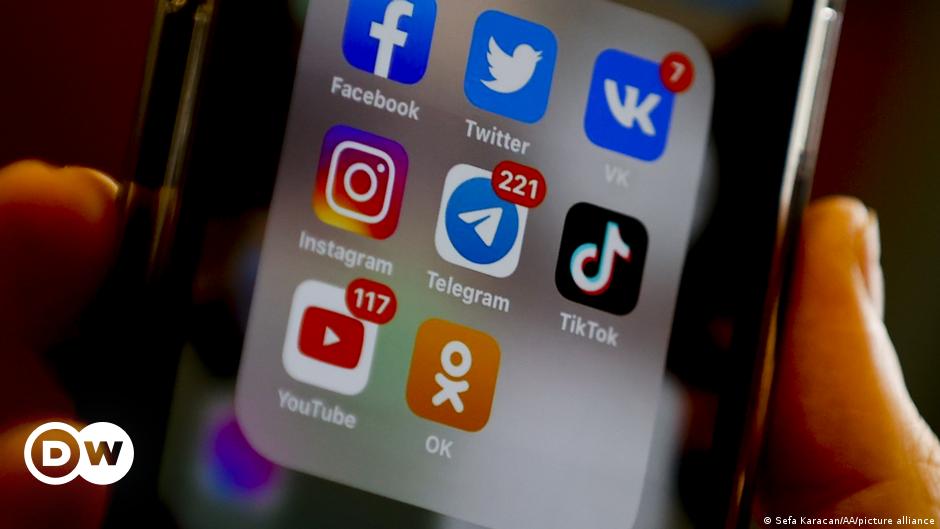
Last week, Nepal's government ordered authorities to block 26 social media platforms for not complying with a deadline to register with Nepal's ministry of communication and information technology. Platforms such as Instagram and Facebook have millions of users in Nepal, who rely on them for entertainment, news and business. But the government had justified its ban, implemented last week, in the name of tackling fake news, hate speech and online fraud.
Geedge Networks, a company founded in 2018 that counts the "father" of China's massive censorship infrastructure as one of its investors, styles itself as a network-monitoring provider, offering business-grade cybersecurity tools to "gain comprehensive visibility and minimize security risks" for its customers, the documents show. In fact, researchers found that it has been operating a sophisticated system that allows users to monitor online information, block certain websites and VPN tools, and spy on specific individuals.
Every day, some 2 billion people around the world use privacy-protection tools supported by the Open Technology Fund. When people in China escape their government's firewalls and censorship software-now so dense that the system has been called the "locknet"-or when users in Cuba or Myanmar evade cruder internet blocks, they can access material written in their own languages and read stories they would otherwise never see.
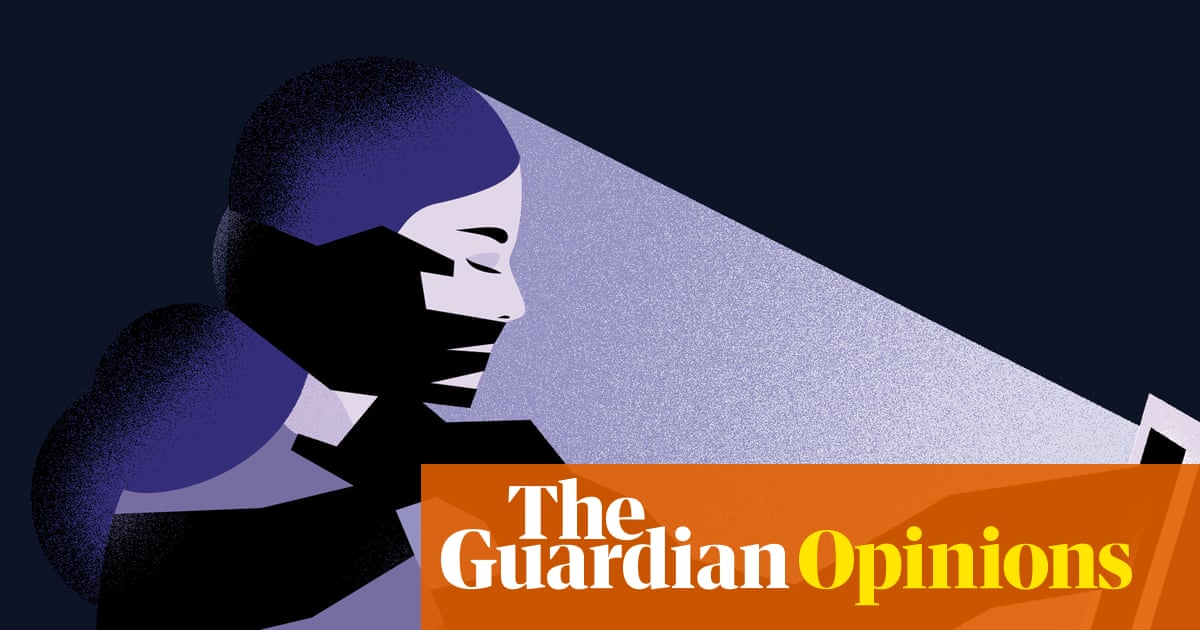
"Her phone buzzes-no bars. Wi-Fi icon: dead. The protest footage from last night sits trapped in her device like a caged bird with clipped wings. She filmed everything: the tear gas clearing, protesters linking arms, riot shields retreating."