Saudi Arabia and the United Arab Emirates formed a close alliance that coordinated a 2017 blockade of Qatar and joint interventions against Houthi rebels in Yemen, aiming to contain the Arab Spring. By 2023 the partnership had soured amid accusations and public disputes, including clashes in southern Yemen between UAE-backed secessionists and Saudi-backed forces. Profound strategic differences, economic competition and political rivalry severed the relationship. Saudi policy emphasizes transformation, regional stability and investment, and benefited diplomatically after Russia's 2022 invasion of Ukraine. The UAE pursues a more activist foreign policy, focuses on containing Islamist parties, has aligned more with Israel, and chafes at Saudi Opec pressure.
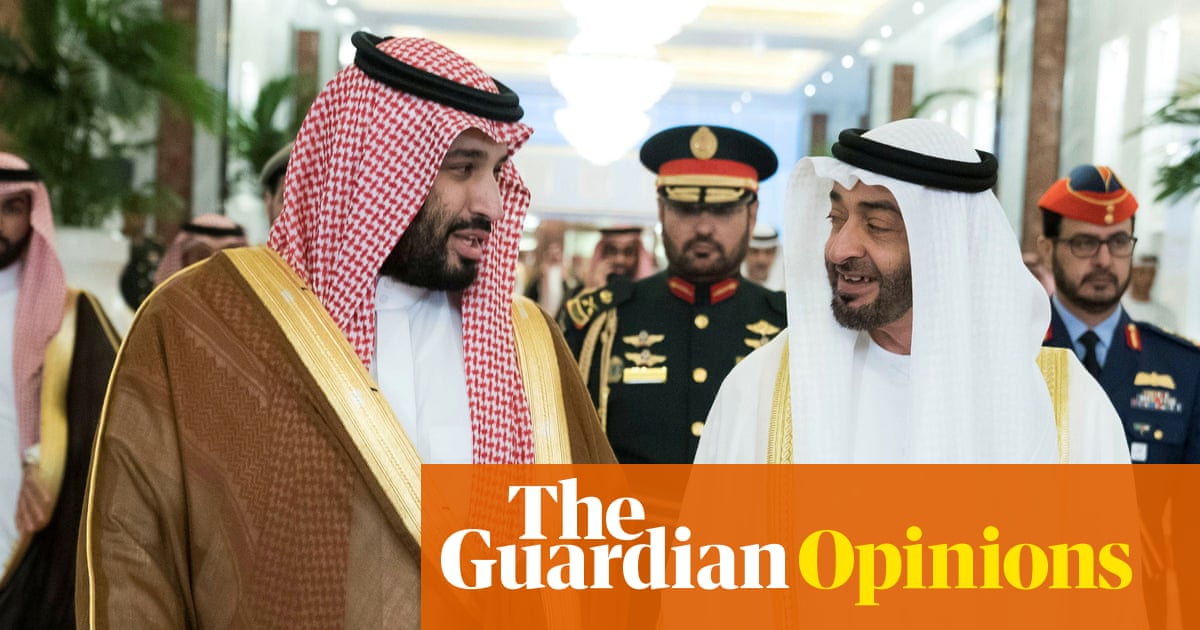
"In 2017, Saudi Arabia and the United Arab Emirates spearheaded a blockade of Qatar, disrupting trade, stability and lives in the region. Their de facto leaders the Saudi crown prince, Mohammed bin Salman, and Abu Dhabi's then crown prince, Mohamed bin Zayed Al Nahyan, now president of the UAE had forged a close alliance. The older man had eagerly promoted the younger Saudi royal in Washington and elsewhere,"
"Late last year the disputes became spectacularly public. In Yemen, Southern secessionists backed by the UAE made dramatic advances in oil-rich areas before being forced out by Saudi-backed forces. Riyadh effectively described the UAE as threatening its national security. Saudi commentators voiced increasing contempt for the kingdom's former partner. In turn, a senior Emirati official complained of wickedness in the media campaign against it. Profound strategic differences and economic and political rivalry have severed the partnership."
Read at www.theguardian.com
Unable to calculate read time
Collection
[
|
...
]