The fuel embargo has moved from an abstract policy dispute into tangible effects on daily life, producing not merely shortages but a chain of disruptions. Curtailed events, warnings of deeper power cuts and a transport squeeze have limited mobility, work and institutional routines, forcing universities to move remote. The most corrosive element is uncertainty: people can adapt to hardship but struggle with not knowing what comes next. The most likely outcome is a standoff with frustration in the United States, hardship in Cuba, and rising international and domestic disquiet. Visible external pressure on basic provisioning can increase reliance on government rather than trigger popular rupture.
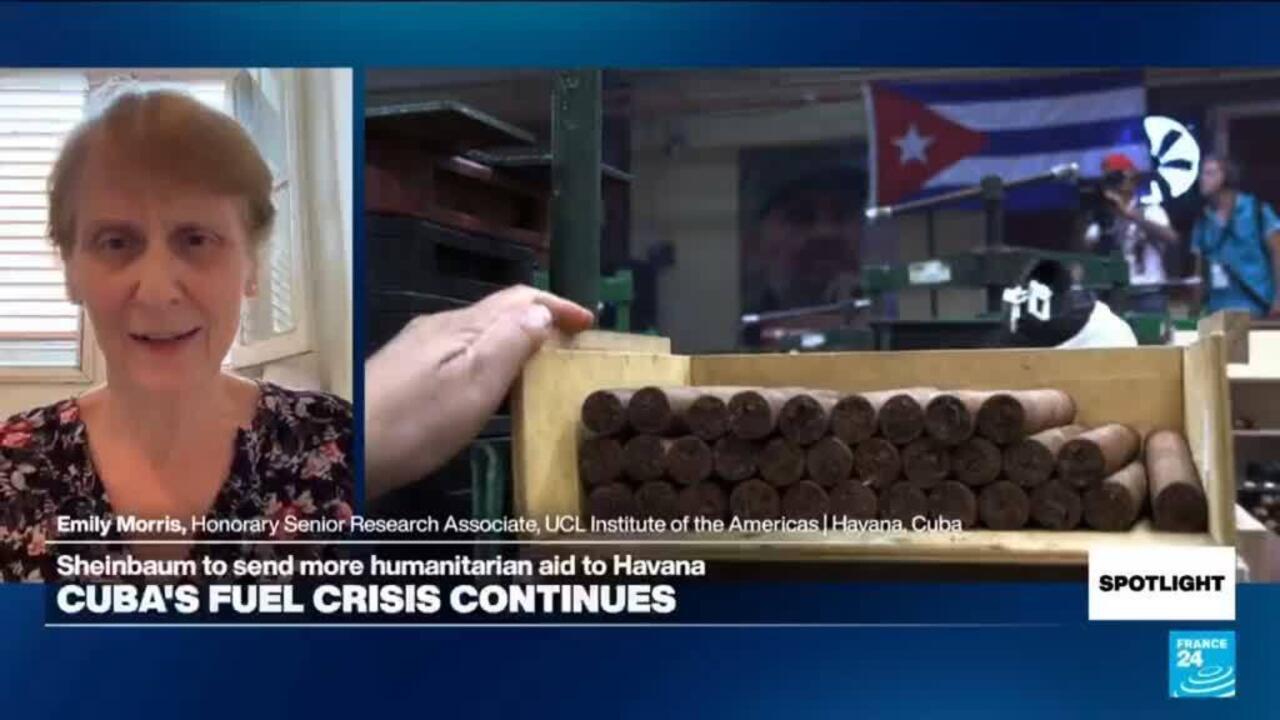
"For Spotlight, Francois Picard is pleased to welcome Emily Morris, live from Havana, Honorary Senior Research Associate at University College London's Institute of the Americas. The fuel embargo has shifted from an abstract policy dispute into something felt in the grain of everyday life. This is not simply shortage, but a sequence of events: curtailed events, warnings of deeper power cuts, and above all a transport squeeze that limits mobility, work, and institutional routines like universities moving remotely."
"The most corrosive feature is uncertainty, the sense that people can adapt to hardship, but not to not knowing what comes next. The most likely scenario is a standoff: frustration in the US, hardship in Cuba, and rising international and domestic disquiet. And if the goal is to trigger a rupture between citizens and the state, the mechanism may run the other way, because when hardship is visibly linked to external pressure, reliance on the government for basic provisioning often increases."
Read at www.france24.com
Unable to calculate read time
Collection
[
|
...
]