#political-stability
#political-stability
[ follow ]
#elections #uk-politics #labour-party #bulgaria #rumen-radev #coalition-government #democratic-backsliding
#uk-politics
UK politics
fromwww.theguardian.com
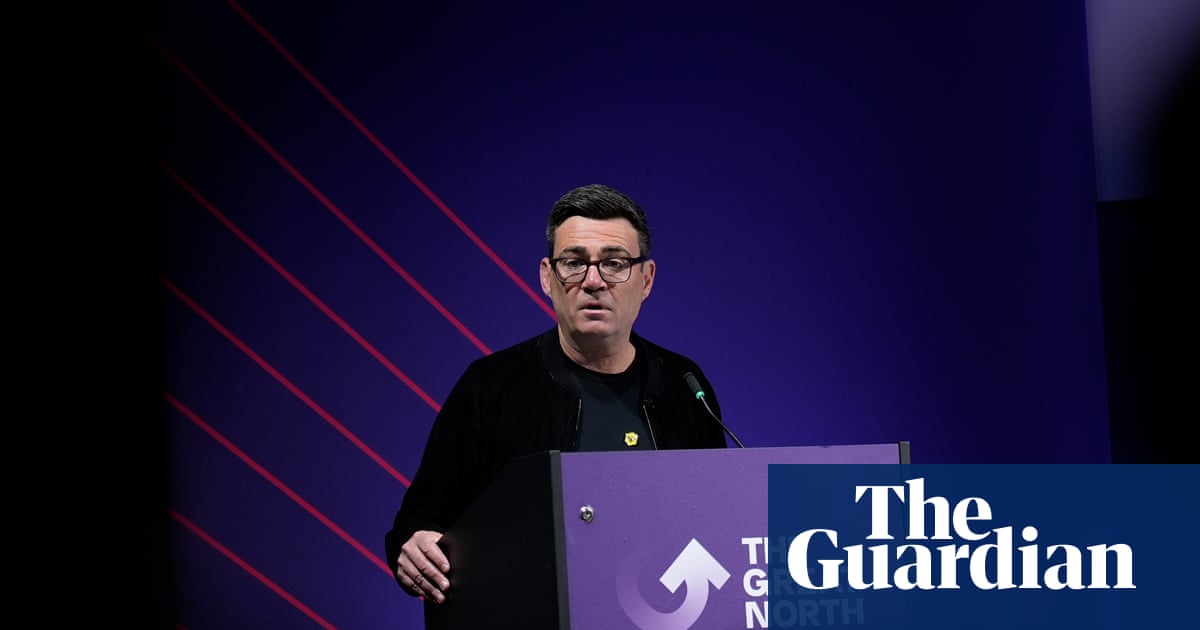
6 days agoAndy Burnham's change in tack on fiscal rules and bond markets is understandable
Greater Manchester mayor Andy Burnham softened prior warnings about bond markets, aligning with current fiscal rules to reassure investors amid rising UK borrowing costs and political instability concerns.
UK politics
fromwww.theguardian.com
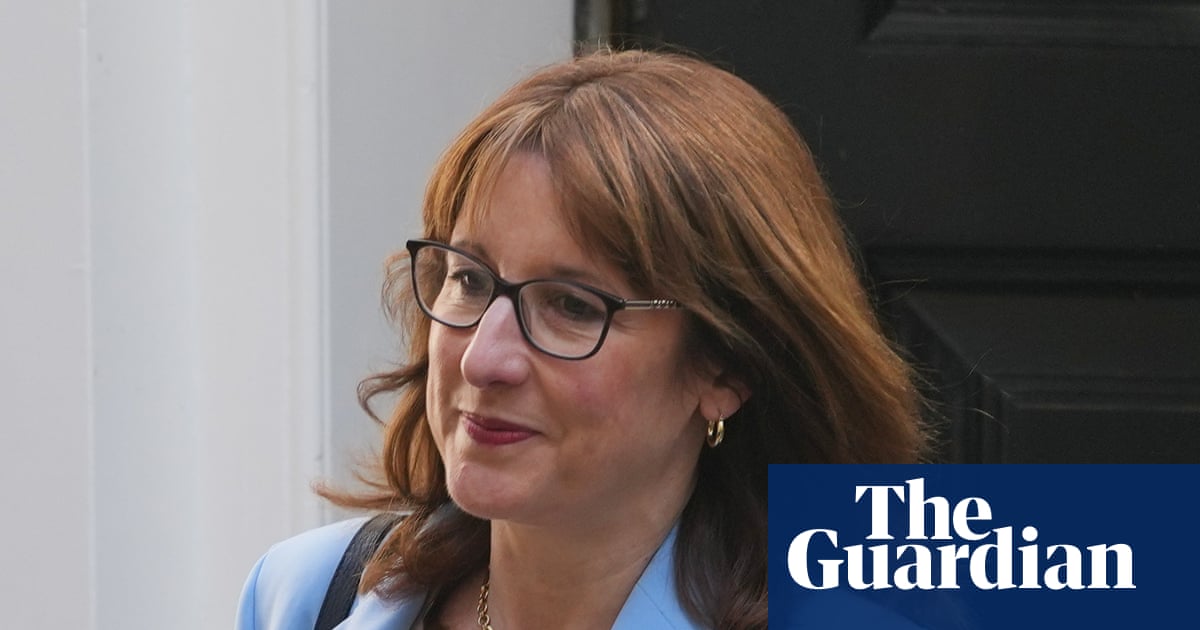
1 week agoThe Guardian view on the king's speech: an agenda for a government that lacks conviction | Editorial
Labour’s promised stability and change have not produced coherent, radical reform, weakening confidence and making a full term for the prime minister unlikely.
UK politics
fromLondon Business News | Londonlovesbusiness.com
2 weeks agoThe pound could face serious pressure after Thursday's elections - London Business News | Londonlovesbusiness.com
Local elections in the UK could signal political stability and economic credibility, impacting sterling's value amid investor selectivity.


Europe politics
fromwww.theguardian.com
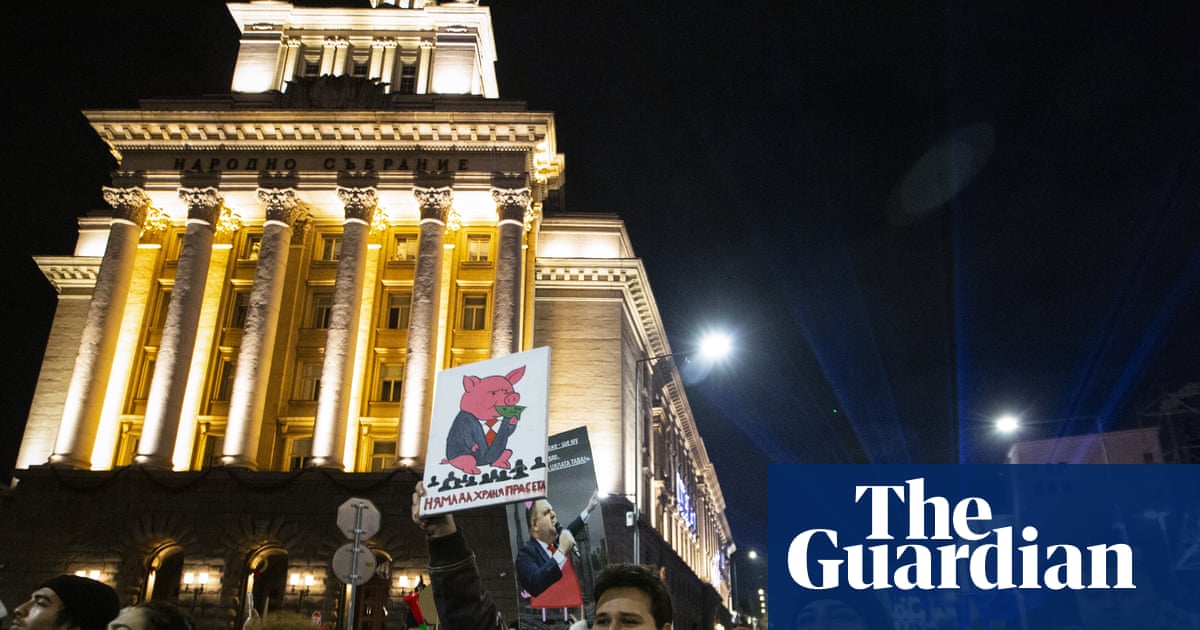
2 months agoIt is small, stable and a European success story. So why is Slovenia turning its back on liberalism? | Ana Schnabl
Slovenia's centre-left coalition led by Prime Minister Robert Golob will complete a full parliamentary term by March 2025 elections, an unusual achievement in the country's fragmented political system.
World politics
fromwww.dw.com
2 months agoRepublic of the Congo elections: A foregone conclusion?
Denis Sassou Nguesso has dominated Republic of Congo politics for 47 years, maintaining regional stability despite neighboring countries' crises, and faces seven obscure challengers in the March 15 election.
UK politics
fromLondon Business News | Londonlovesbusiness.com
3 months agoCity banking giant gives Starmer just months left in No10 - London Business News | Londonlovesbusiness.com
Keir Starmer faces a 60% chance of being forced out before the end of July, with Labour likely moving left whether he stays or leaves.
World news
fromwww.france24.com
3 months agoSpotlight - 'If the Cuban government were to collapse, that would be a security threat to the United States'
Fuel embargoes have caused transport collapse, institutional disruption and deep uncertainty, likely causing hardship and increased reliance on government rather than sparking a rupture.
US politics
fromwww.mediaite.com
4 months agoTrump Gets Absolutely Smoked Over Bonkers Greenland Screed: What The 25th Amendment Is For'
Trump sent a provocative letter claiming he stopped eight wars and demanding control of Greenland, prompting intense domestic and international criticism about his stability.
fromwww.theguardian.com
6 months agoI thought the grownups were back in charge!': John Crace on how Labour shattered his expectations
I feel I should probably start with an apology. A few days after the 2024 general election, I wrote that it felt as if the grownups were back in charge. It wasn't as if I was carried away by the vision of Keir Starmer or the charisma of Rachel Reeves. More that I felt we had regained a basic level of competence. That politics would become business as usual rather than the breathless psychodrama of the past 10 years. You could go to bed at night relatively confident that the country would be more or less recognisable when you woke up.
UK politics
fromwww.dw.com
7 months agoWhat Tanzanians hope their next government will deliver DW 10/23/2025
Economist Dr. Bravious Kahyoza says that in many developing countries, economies often react to how elections are managed, with political tension capable of triggering shocks. "It's therefore crucial for national leaders to handle such moments wisely," he told DW. Tanzania's political and economic climate remains relatively stable, signaling the likelihood of a peaceful election and continued economic steadiness thereafter, according to Kahyoza. "The economy runs on confidence, and currently, that confidence appears solid."
World news
fromwww.dw.com
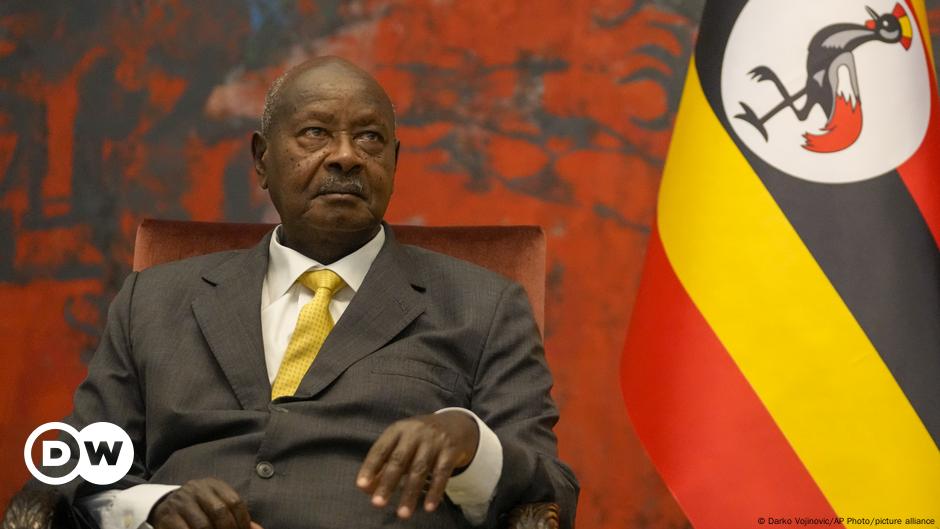
8 months agoUganda: Yoweri Museveni eyes more years in the presidency DW 09/23/2025
For millions of Ugandans under 40, Yoweri Museveni is the only president they have ever known. And that's unlikely to change soon, as he prepares for yet another campaign after the Ugandan electoral commission confirmed the final list of candidates for the upcoming presidential election next February. Museveni, 81, first came to power in 1986 following an armed rebellion that deposed Milton Obote, and has become one of the world's longest-serving leaders.
World news
fromIndependent
10 months agoDeclan Lynch: 'There is encouragement for Flatley - he was probably the best of the 65 candidates to emerge last Saturday'
Listening to the brilliant and charming CNN presenter John King on RTÉ1's Sunday with Miriam was so enjoyable, it struck me that we're probably in a lot more trouble in this world than we think.
US politics
[ Load more ]