"Iran assumed the position it had long threatened to take, that of the troll under the bridge determining which ships can pass into and out of the Persian Gulf. Maritime traffic through the Strait of Hormuz was throttled down to almost nothing, and the next phase of the war-predictable to anyone who has thought about what a war with Iran might look like, or who has ever looked at a map-became clear."
"The United States and its Arab allies will try to keep oil and gas flowing out of the gulf, and food and other goods flowing in. Iran will try to stop them and make life in the desert metropolises of Kuwait, Bahrain, the United Arab Emirates, and Qatar unlivable. With Iran threatening to attack, points of entry to the strait are ready to turn into sprawling maritime parking lots, filled with idle ships waiting for their escorts."
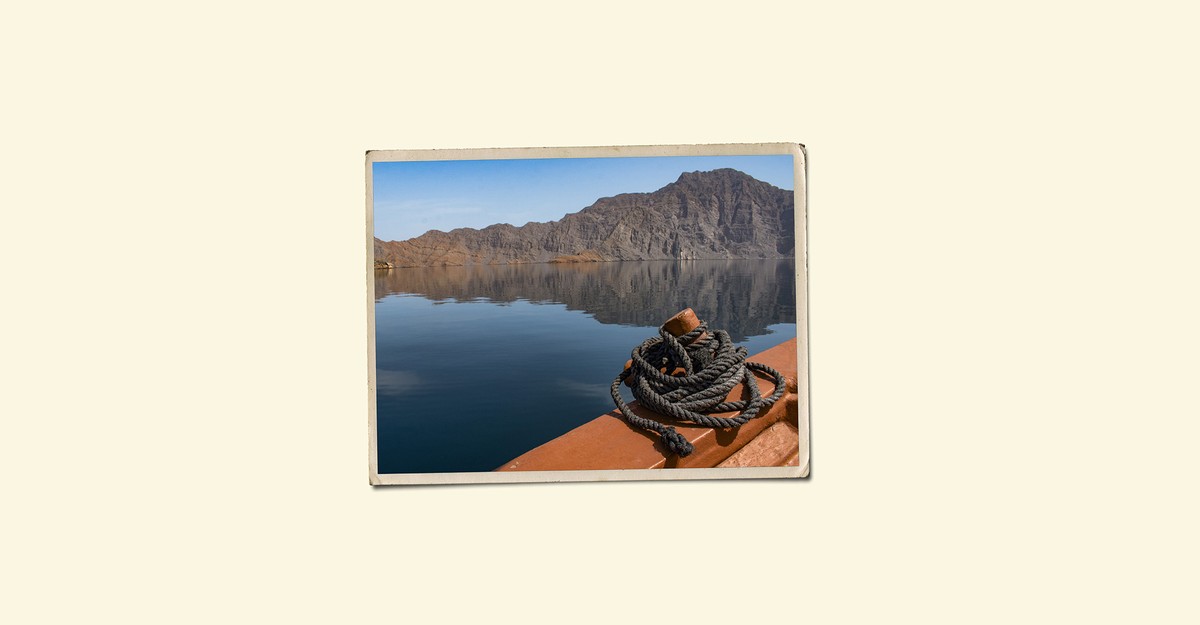
"The strait is best known for the passage of oil. But its dramatic geography has attracted tourists for years. On the southern side of the strait, a rugged peninsula of limestone cliffs juts up into the gulf toward Iran."
Iran has assumed control over the Strait of Hormuz, threatening to block maritime traffic and disrupt the flow of oil, gas, and goods through one of the world's most critical shipping routes. The United States and Arab allies aim to maintain commerce flowing through the strait, while Iran seeks to destabilize Gulf economies including Kuwait, Bahrain, the United Arab Emirates, and Qatar. Iranian drone strikes near Dubai forced flight cancellations and created dangerous conditions. Despite security threats, the strait remains a tourist destination known for its dramatic limestone geography and historical significance. The region faces potential maritime congestion as ships await military escorts to safely navigate contested waters.
Read at The Atlantic
Unable to calculate read time
Collection
[
|
...
]