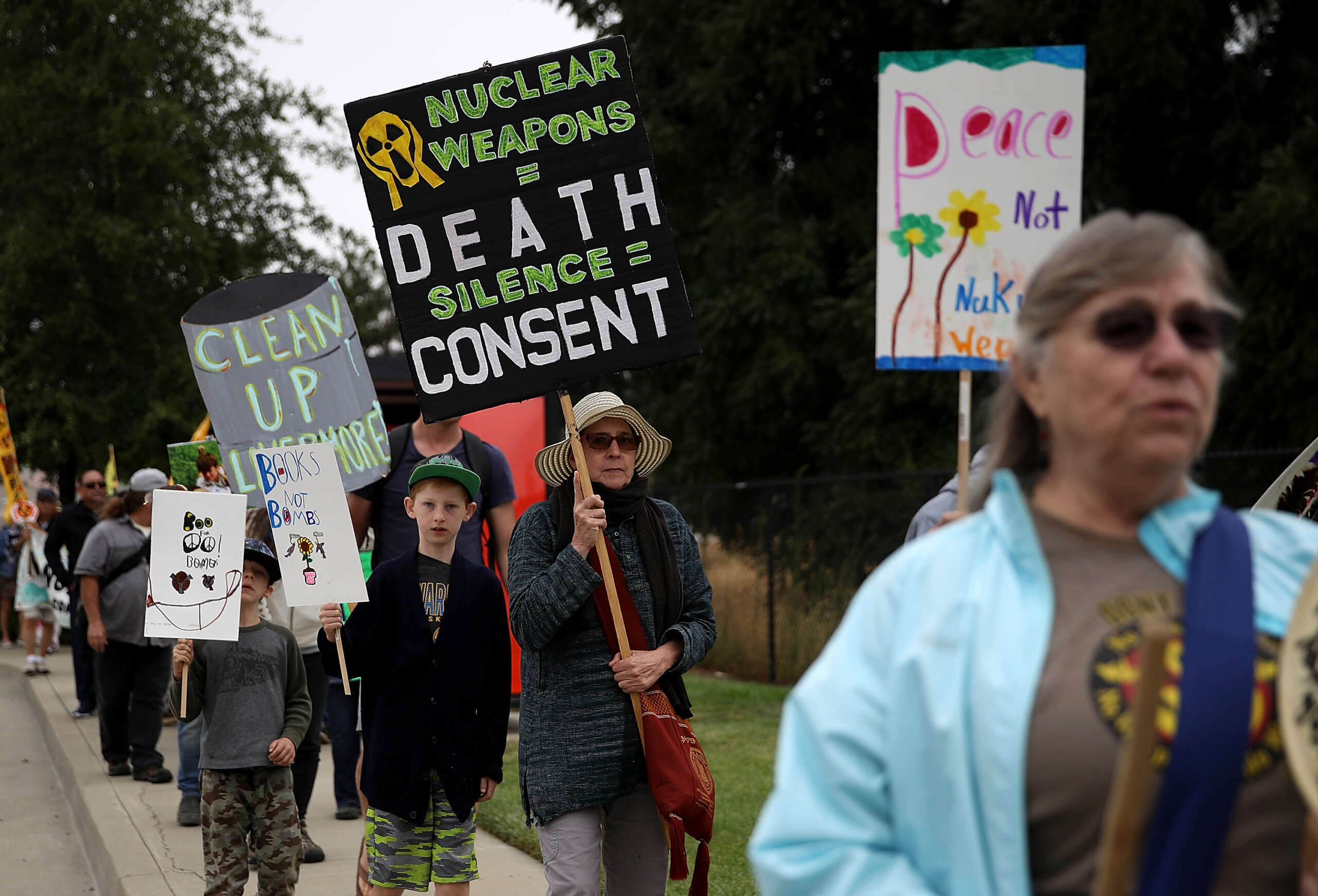
The suggestion that the United States might break a more than three-decade moratorium on explosive nuclear testing triggered global uncertainty, anxiety, and speculation about a potential return to explosive testing. Five of the world's nine nuclear-armed countries engaged in active warfare during the year, including missile exchanges between India and Pakistan, sustained Russian bombing of Ukraine, and U.S. and Israeli strikes on Iran and other areas. The Doomsday Clock sits at 89 seconds to midnight and the last U.S.-Russia arms control treaty is set to expire in early February. A gathering of 60 nuclear experts and about 20 Nobel laureates produced the Nobel Laureate Declaration, calling for a renewed moratorium, expanded nuclear diplomacy, and intensified civil-society pressure; the declaration is signed by 129 Nobel prize winners.
"The suggestion that the United States might break with a more than three decade-long moratorium on explosive tests sparked a global wave of uncertainty, anxiety, and speculation about the impacts of a potential return to explosive nuclear testing. This comes in the final months of a year when five of the world's nine nuclear armed countries have been engaged in active warfare."
"On July 16, the 80 th anniversary of the world's first nuclear detonation, a gathering of 60 nuclear weapons experts and around 20 Nobel laureates assembled at the University of Chicago to come up with a list of pragmatic, actionable steps which they are urging world leaders to take to reduce the risk of nuclear war."
Read at Truthout
Unable to calculate read time
Collection
[
|
...
]