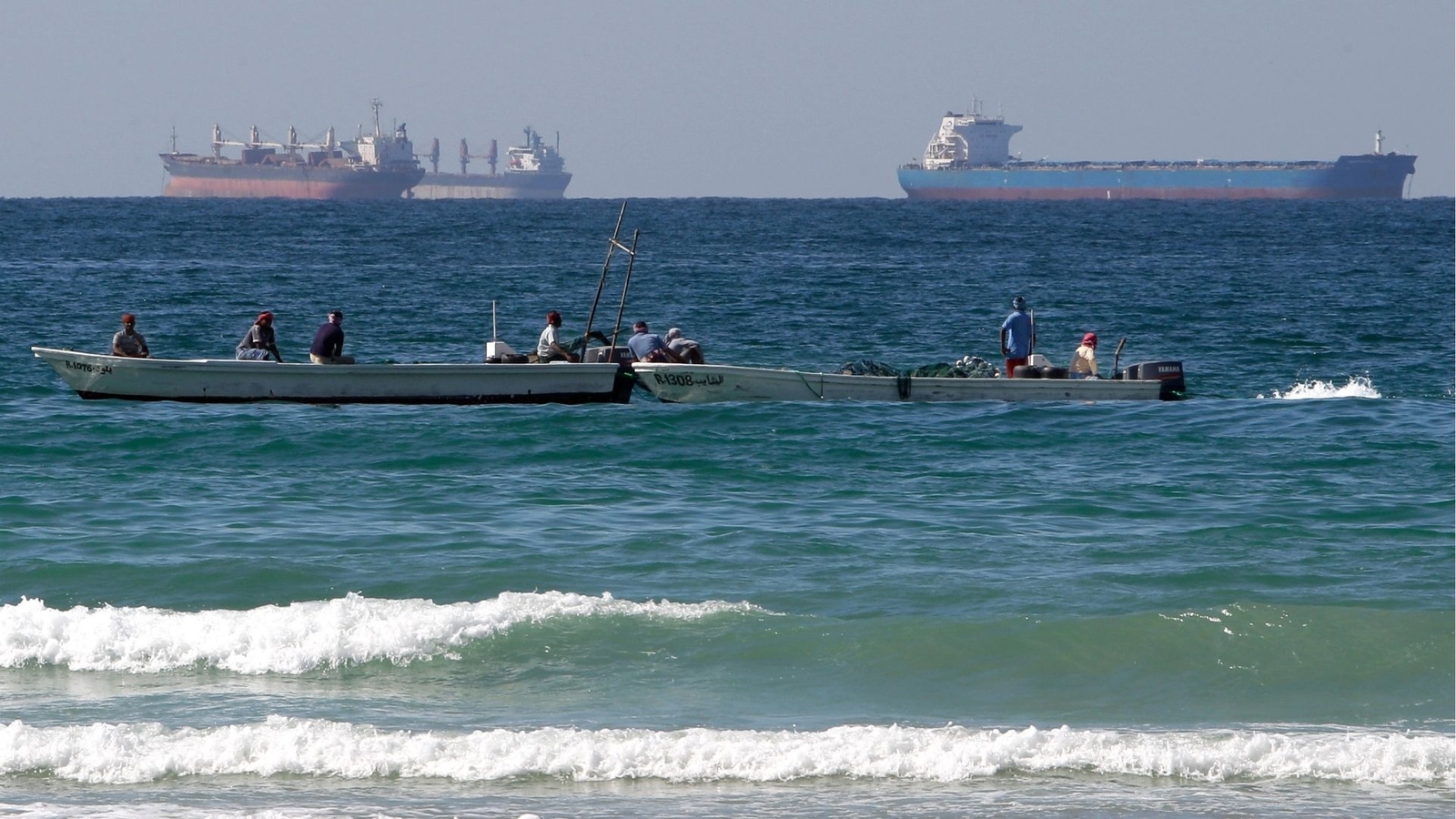
"Roughly 15 million barrels of crude oil per day - about 20% of the world's oil - are shipped through the Strait of Hormuz, making it the world's most critical oil chokepoint, according to Rystad Energy. Tankers traveling through the strait, which is bordered in the north by Iran, carry oil and gas from Saudi Arabia, Kuwait, Iraq, Qatar, Bahrain, the UAE and Iran."
"Traders were betting the supply of oil from Iran and elsewhere in the Middle East would slow or grind to a halt. Attacks throughout the region, including on two vessels traveling through the Strait of Hormuz, the narrow mouth of the Persian Gulf, could restrict countries' ability to export oil to the rest of the world. That would likely result in higher prices for crude oil and gasoline, according to energy experts."
"West Texas Intermediate, the light, sweet crude oil produced in the United States, was selling for about $72 a barrel Sunday night, up around 8% from its trading price of about $67 on Friday."
Oil prices surged sharply when trading began Sunday following military attacks in the Middle East involving the U.S., Israel, and Iran. Traders anticipated reduced oil supplies from Iran and the region, particularly concerning the Strait of Hormuz, which handles approximately 20% of the world's daily oil supply. Attacks on vessels in the strait threatened to restrict oil exports from major producers including Saudi Arabia, Kuwait, Iraq, Qatar, Bahrain, UAE, and Iran. West Texas Intermediate crude rose approximately 8% from Friday's price of $67 to $72 per barrel. Energy experts warned that further disruptions could result in higher crude oil and gasoline prices globally. In response, eight OPEC+ member countries announced plans to increase crude oil production.
Read at ABC7 Los Angeles
Unable to calculate read time
Collection
[
|
...
]