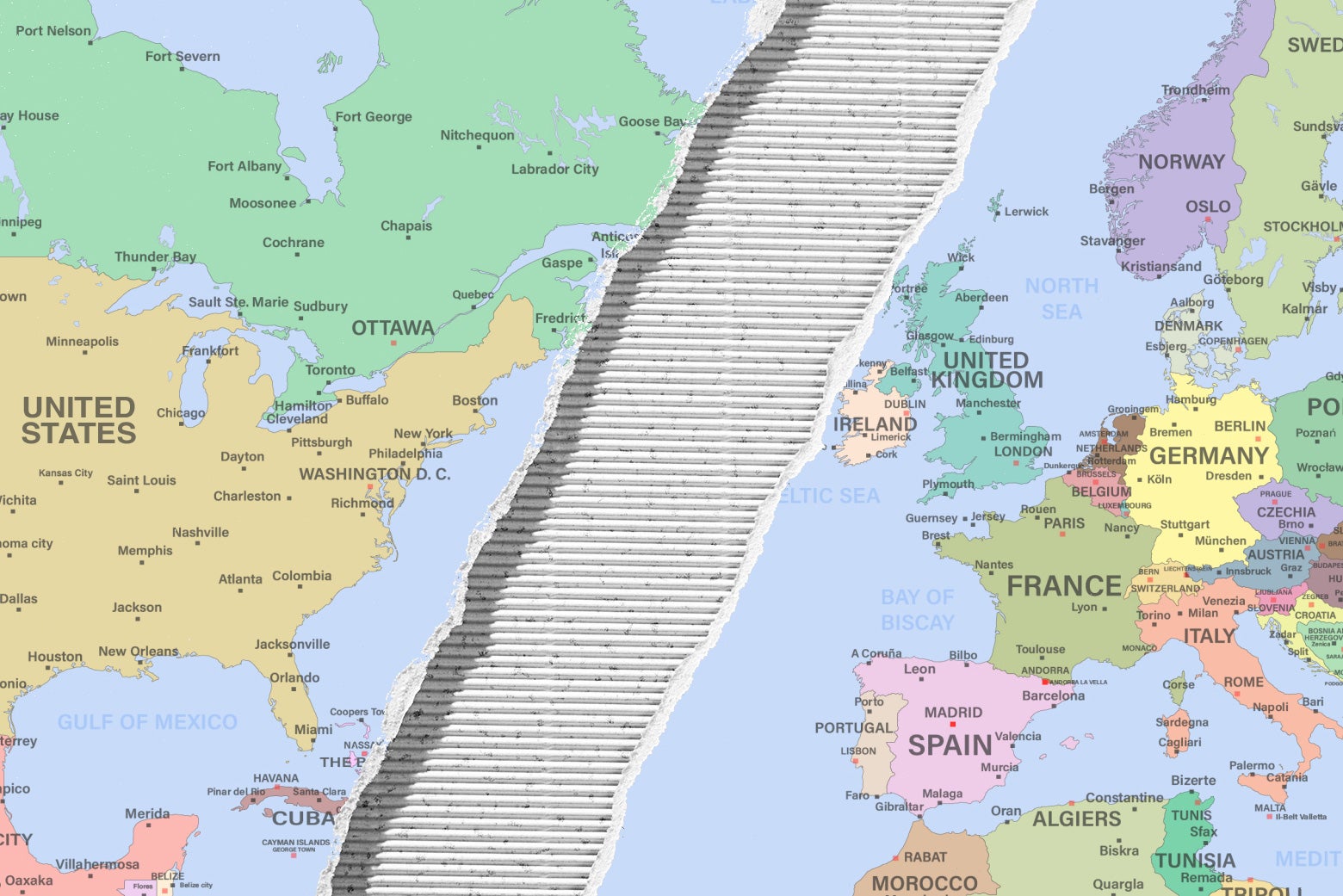
"Canada signed a major free-trade deal with China, allowing, among other things, a massive import of Chinese cars. The European Union signed a trade agreement with India-and a still-larger one with South America's Mercosur bloc (Argentina, Brazil, Paraguay, and Uruguay), the latter of which will create one of the largest free-trade zones in the world. The French Parliament passed a law barring government officials from using U.S. platforms, such as Zoom, Teams, and Google Meet, for videoconferencing."
"Denmark, still reeling from Trump's threats to take over Greenland, announced it was selling its stash of U.S. Treasury notes, worth $100 million. Even before these moves, central banks worldwide-not just in Denmark-have been shifting their reserves toward other countries' currencies. An analysis by J.P. Morgan calls this trend "de-dollarization" and attributes it, in part, to the turbulence of Trump's tariffs-many of them imposed for punitive and"
January brought decisive actions that widened the transatlantic rift as allies pursued greater independence across diplomacy, trade, defense, and finance. Speeches at Davos urged middle-sized countries to band together while U.S. rhetoric showed open contempt toward traditional partners. NATO held its largest scheduled exercise for the year with 10,000 troops from 11 nations without American participation, an unprecedented move. Canada, the EU, and France advanced trade and regulatory moves diversifying ties away from the United States. Denmark sold U.S. Treasury notes and central banks shifted reserves, a trend J.P. Morgan calls "de-dollarization" linked partly to U.S. tariff turbulence.
Read at Slate Magazine
Unable to calculate read time
Collection
[
|
...
]