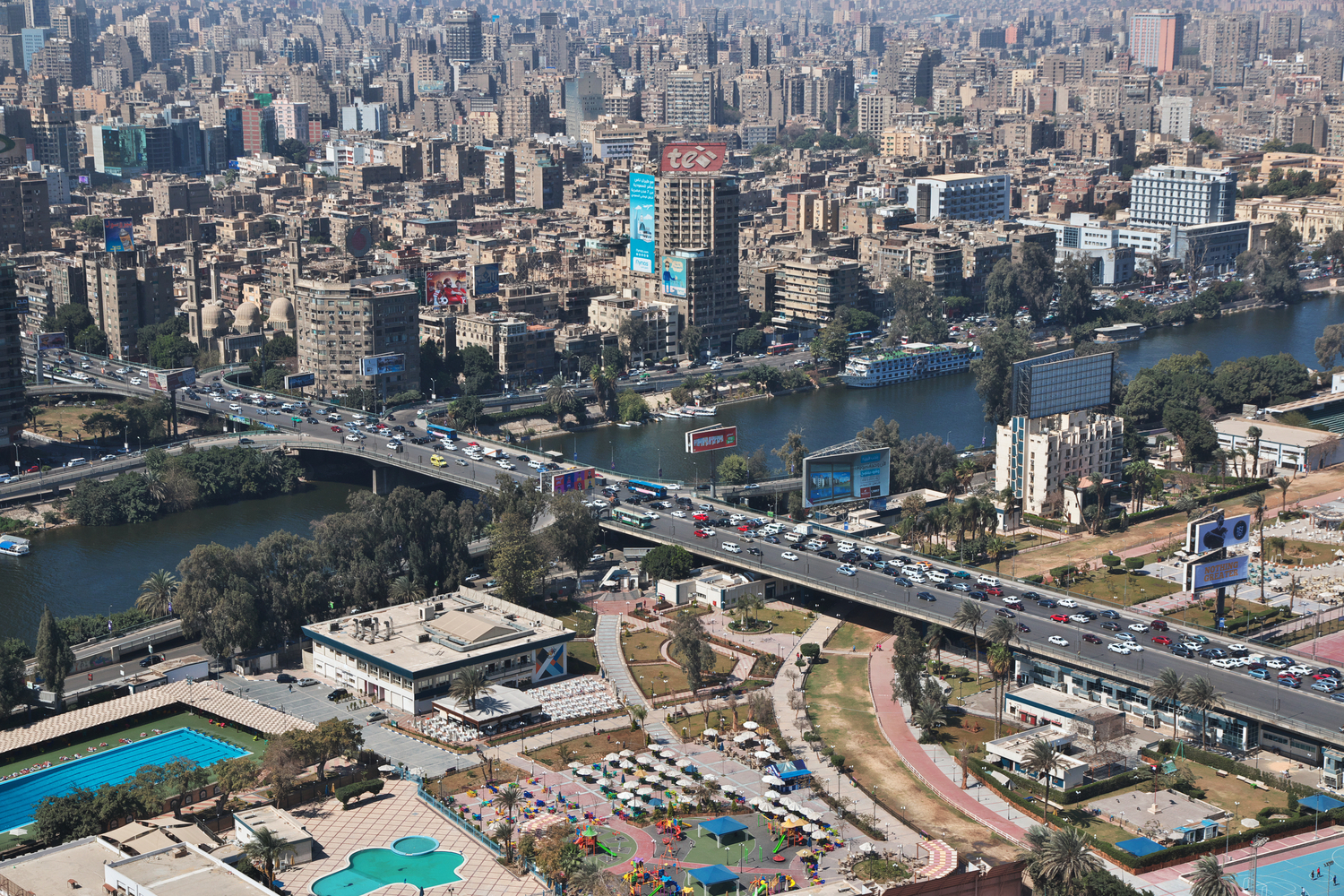
Capital relocations increasingly respond to structural pressures such as demographic concentration, infrastructural saturation, environmental risk, and long-term resource management. Cities are understood as operational systems rather than static political symbols, with rapid urbanization concentrating economic activity, governance, and infrastructure in few metropolitan cores. This concentration strains transport networks, housing, public services, and ecological systems while marginalizing peripheral regions. Climate-related threats—flooding, land subsidence, drought, and water scarcity—heighten urban vulnerabilities and question long-term viability of some capitals. Recent moves in Equatorial Guinea, Indonesia, Egypt, and South Korea show efforts to redistribute state functions and reduce environmental and infrastructural stress.
"Across history, the relocation of capital cities has often been associated with moments of political rupture, regime change, or symbolic nation-building. From Brasília to Islamabad, new capitals were frequently conceived as instruments of centralized power, territorial control, or ideological projection. In recent decades, however, a different set of drivers has begun to shape these decisions. Rather than security or representation alone, contemporary capital relocations are increasingly tied to structural pressures such as demographic concentration, infrastructural saturation, environmental risk, and long-term resource management."
"This shift reflects broader transformations in how cities are understood as operational systems rather than static political symbols. Rapid urbanization has concentrated economic activity, governance, and infrastructure within a limited number of metropolitan cores, often at the expense of peripheral regions. In many cases, capital cities have become focal points of migration, absorbing disproportionate shares of national populations while straining transport networks, housing supply, public services, and ecological systems."
Read at ArchDaily
Unable to calculate read time
Collection
[
|
...
]