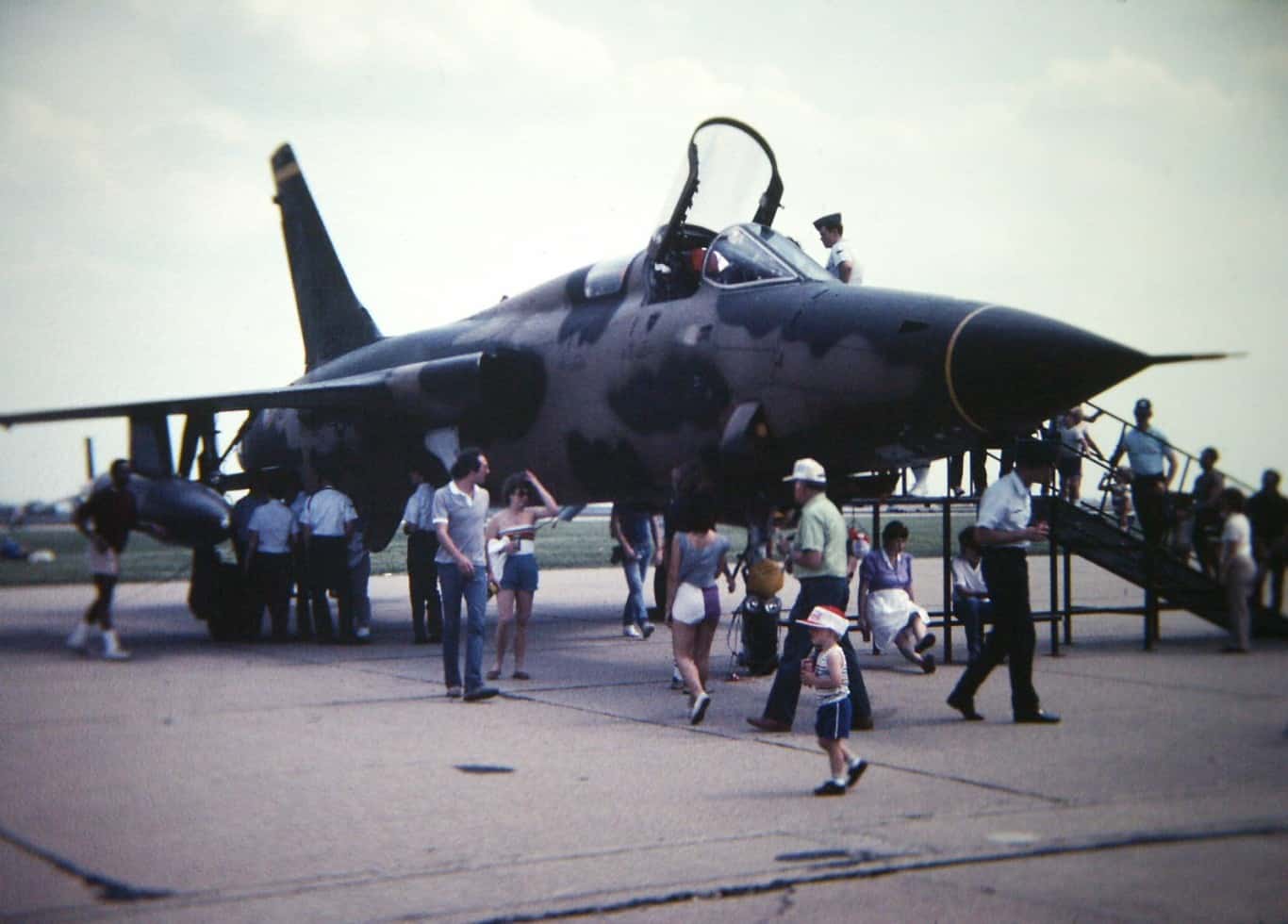
"Not every obsolete aircraft failed. Some were simply built for a future that never arrived. As threats evolved and doctrine shifted, platforms once seen as cutting-edge found their roles shrinking or vanishing altogether. Speed, altitude, or specialization that looked decisive on paper often lost value once new technologies entered the fight, turning early obsolescence into a recurring pattern in military aviation. Here, 24/7 Wall St. is taking a closer look at military aircraft that reached obsolescence faster than expected."
"Understanding why some military aircraft became obsolete faster than expected helps explain how quickly warfare can change-and how difficult it is to predict the future battlefield. Many of these aircraft were technically impressive and well-engineered, but were built around assumptions that did not survive new threats, new doctrine, or new technologies. By examining early obsolescence, this article highlights why adaptability often matters more than performance, and why even cutting-edge platforms can lose relevance when the strategic environment shifts faster than planners anticipate."
Many military aircraft initially offered decisive advantages such as superior speed, altitude, payload, or specialized roles. Rapid changes in threats, doctrine, and technology often eroded those advantages, shortening operational relevance. Aircraft built for anticipated future scenarios sometimes found those scenarios never materialized, causing roles to shrink or vanish. A review of historical and military sources can identify platforms that aged faster than expected by examining country of origin, era introduced, intended primary role, and reasons for accelerated obsolescence. Understanding patterns of early obsolescence underscores why adaptability and multi-role capability often matter more than peak performance in long-term force planning.
Read at 24/7 Wall St.
Unable to calculate read time
Collection
[
|
...
]