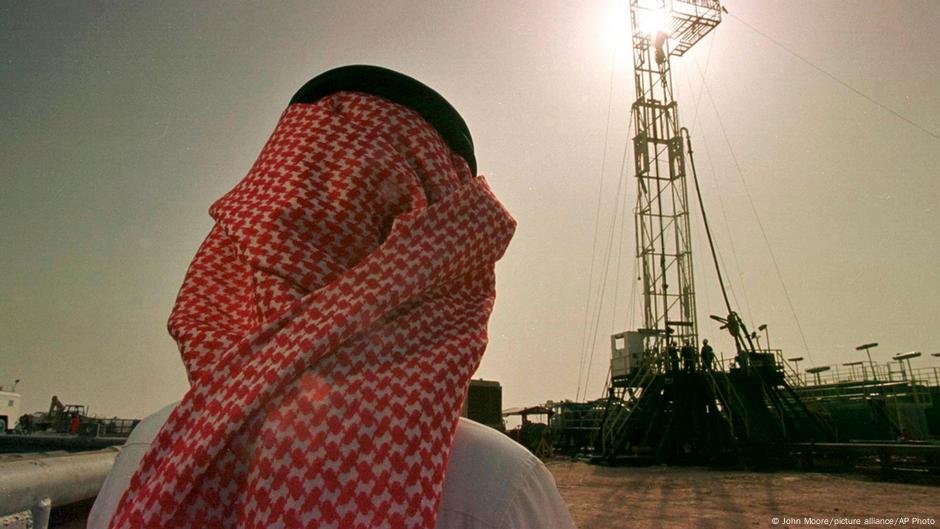
"Oil-producing Gulf states Saudi Arabia, United Arab Emirates (UAE), Qatar, Kuwait, and Bahrain have been directly caught in the crossfire of the US-Israel war with Iran. Iran sought to draw Gulf states into the conflict by launching strikes on energy facilities, airports, hotels and residential areas, as well as US military sites in the region."
"Iran's de facto closure of the Strait of Hormuz a narrow waterway between Iran and Oman that connects the Persian Gulf to the Gulf of Oman and the Arabian Sea has halted nearly all commercial traffic, according to shipping analytics firm Kpler. Hormuz carries about one-fifth of the world's oil supply, making it a critical chokepoint in energy trade."
"The attacks, which marked a major escalation in the 10-day-old conflict, sent fresh fears throughout global energy markets, with Brent crude reaching $119.50 (103.30) a barrel. The worsening conflict raises the risk to energy infrastructure across the Middle East, where producers are already grappling with damaged sites from Iranian attacks and the closure of the world's most critical oil shipping route."
Oil prices surged to nearly $120 per barrel following Israeli strikes on Iranian energy infrastructure and Iran's announcement of a new Supreme Leader, marking a major escalation in regional conflict. The attacks intensified fears in global energy markets, with Brent crude reaching $119.50 before retracing to around $100. Gulf oil-producing states—Saudi Arabia, UAE, Qatar, Kuwait, and Bahrain—face direct threats from the US-Israel-Iran conflict. Iran's de facto closure of the Strait of Hormuz, which carries approximately one-fifth of global oil supply, has halted nearly all commercial traffic. With tankers stuck and diminishing export storage facilities, Gulf producers risk production shutdown within days as damaged infrastructure compounds existing supply disruptions.
Read at www.dw.com
Unable to calculate read time
Collection
[
|
...
]