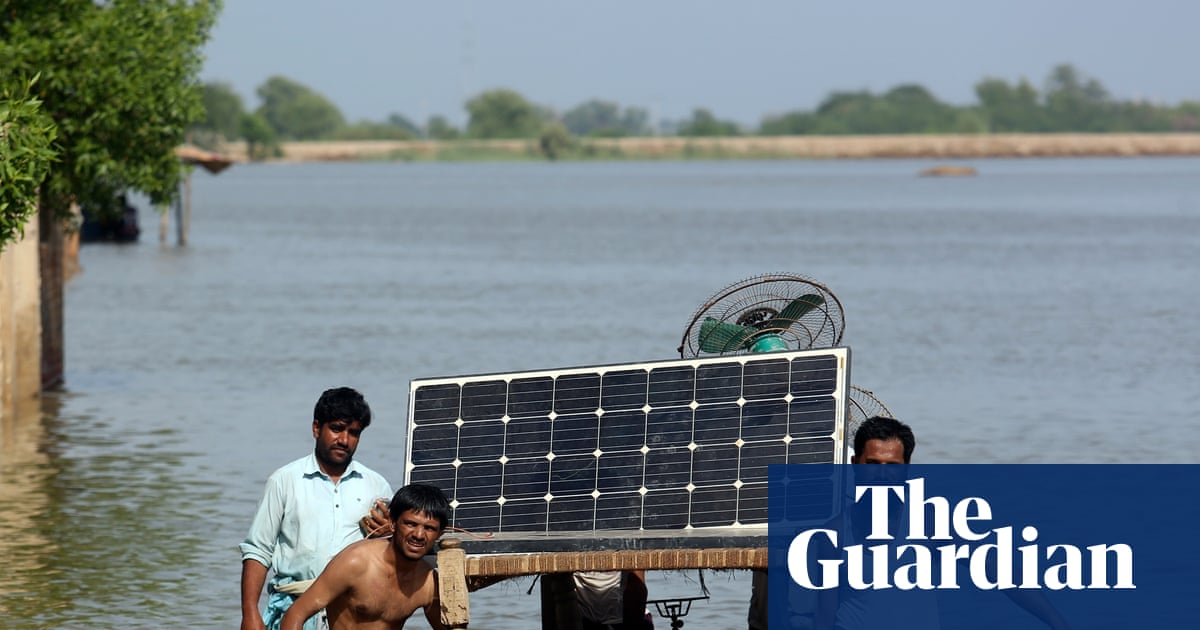
Following Russia's 2022 invasion of Ukraine, liquefied natural gas prices soared, causing severe power cuts across Pakistan during a heatwave. Declining solar panel costs and government incentives for grid-feeding excess power made rooftop solar economically attractive compared to unreliable, expensive grid electricity. This sparked a massive bottom-up solar deployment across the country. Between December 2021 and December 2025, solar's share of electricity generation increased fivefold, reaching approximately one-fifth of grid-supplied electricity by 2024. This expansion has significantly reduced Pakistan's dependence on gas-generated electricity, particularly during daytime hours, providing crucial insulation against global energy market disruptions and geopolitical crises affecting oil and gas trade routes.
"People who could afford to do it at that time realised that it was much cheaper and cost-effective and better for them in the long run to do a one-time investment in rooftop solar as opposed to keep paying high electricity bills from a grid that is also unreliable, said Nabiya Imran, an associate at Renewables First, a Pakistani thinktank."
"While we're certainly seeing some impacts, the expansion of distributed solar in the country has provided a cushioning effect against the impacts [of the energy crisis] which could have been much worse had solar not been present in the country, Imran said."
"Nationwide, the share of electricity generated by solar jumped fivefold between December 2021 and December 2025, according to data from Ember, another thinktank. Renewables First estimates the figure reached about one-fifth of the country's grid-supplied electricity in 2024."
#solar-energy-expansion #pakistan-energy-crisis #renewable-energy-incentives #distributed-solar-power #energy-security
Read at www.theguardian.com
Unable to calculate read time
Collection
[
|
...
]