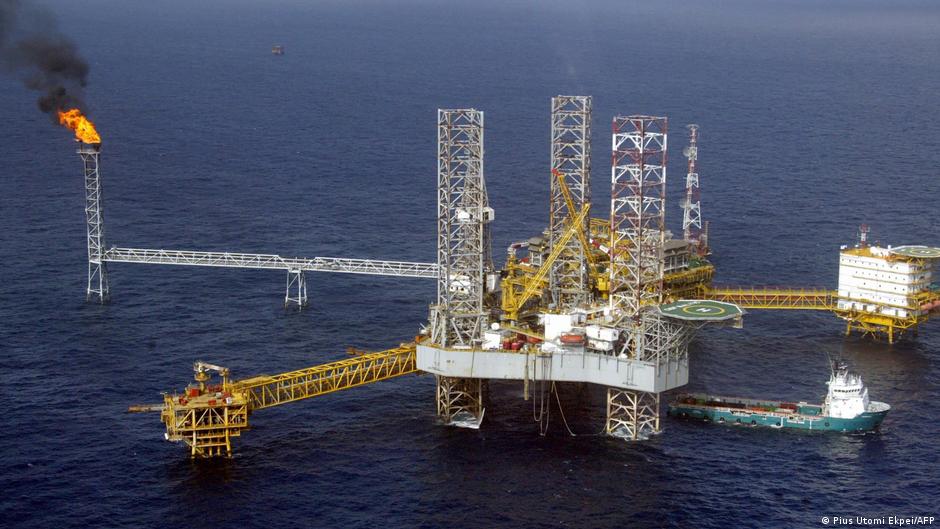
The Strait of Hormuz closure threatens global oil supply, as approximately one-fifth of worldwide oil transport passes through this critical chokepoint. This disruption raises questions about alternative sources, particularly African oil production. However, experts indicate Africa cannot provide rapid relief at the required scale. While Africa's oil and gas sector could contribute, the response timeline is too slow for immediate crisis mitigation. Nigeria, Africa's largest oil producer, possesses production potential but lacks sufficient spare capacity and technical infrastructure for rapid expansion. Africa's primary role emerges in the medium term, particularly for natural gas supply, as European buyers increasingly seek alternatives to Russian reserves.
""[Africa's oil and gas sector] can help, but not quickly enough and not on the scale that would be required," Robert Kappel, the former president of the Hamburg-based GIGA Institute (German Institute for Global and Area Studies), told DW."
""Africa's role lies more in the medium term, especially in the supply of natural gas," Liebing told DW, adding that since 2022, European buyers have already been competing for African gas, as they no longer wish to purchase reserves from Russia."
"Africa's largest oil producer, Nigeria, "definitely has the potential" for higher production output volumes, says Nigerian analyst Ayodele Oni. "The biggest obstacle is the lack of significant spare capacity," Oni told DW, stressing the fact that the West African nation currently does not have the full technical and operational capacity."
#strait-of-hormuz #african-oil-production #energy-supply-crisis #natural-gas-alternatives #nigeria-oil-capacity
Read at www.dw.com
Unable to calculate read time
Collection
[
|
...
]