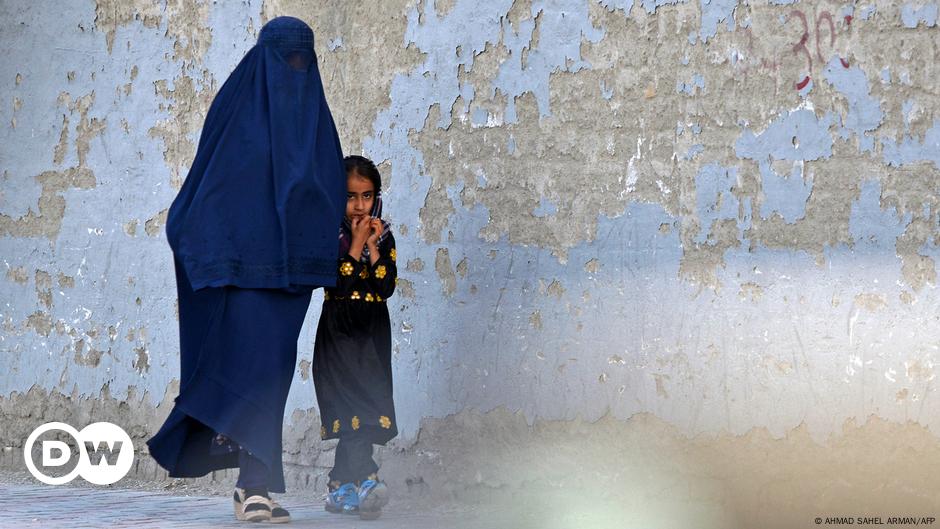
Nearly half of Afghanistan’s population needs assistance, and hunger, joblessness, and collapsing services push families into survival mode. Taliban restrictions since 2021 narrow women’s access to work, education, and mobility, increasing dependence within households. These pressures make violence against women in private spaces harder to escape, more difficult to report, and easier to conceal. Economic desperation contributes to forced and early marriage, which can increase women’s dependence on husbands or in-laws and reduce visibility of domestic abuse. When protection mechanisms fail or families see no viable path through courts, violence can escalate to lethal outcomes. A case in Ghor province describes an 18-year-old, Farzana, who was attacked at home, showing forensic evidence of beatings and torture, and was married to a man in his 50s with two wives.
"Nearly half of the population needs assistance, and hunger, joblessness and collapsing services have tightened dependence within Afghan households. At the same time, wide-ranging restrictions imposed by the Taliban rulers since their return to power in 2021 have narrowed women's options in public life, limiting access to work, education and mobility. Together, these pressures make violence against women in the private sphere harder to escape, more difficult to report and easier to conceal."
"Economic desperation drives forced and early marriages, increases women's dependence on husbands or in-laws, and makes domestic abuse less visible. When protection mechanisms fail or when families see no viable path through the courts violence can escalate to lethal outcomes. Since seizing power, the Taliban have rolled back progress achieved in the previous two decades when it came to women's rights."
"Farzana was 18 when she died in Ghor's Pasaband district. A local source told DW she was attacked inside the home. A doctor said forensic examinations showed clear traces of beatings and torture, indicating she had been murdered. Farzana had been married off to a man in his 50s who already had two wives."
"Mohammadi said he approached Farzana's relatives, who refused to cooperate, saying they were a poor family and the murderer suspects were rich people. For him, the social imbalance matters as much as the crime itself. "Many girls like Farzana are victims of poverty, forced marriage and child marriage," he told DW, adding"
Read at www.dw.com
Unable to calculate read time
Collection
[
|
...
]