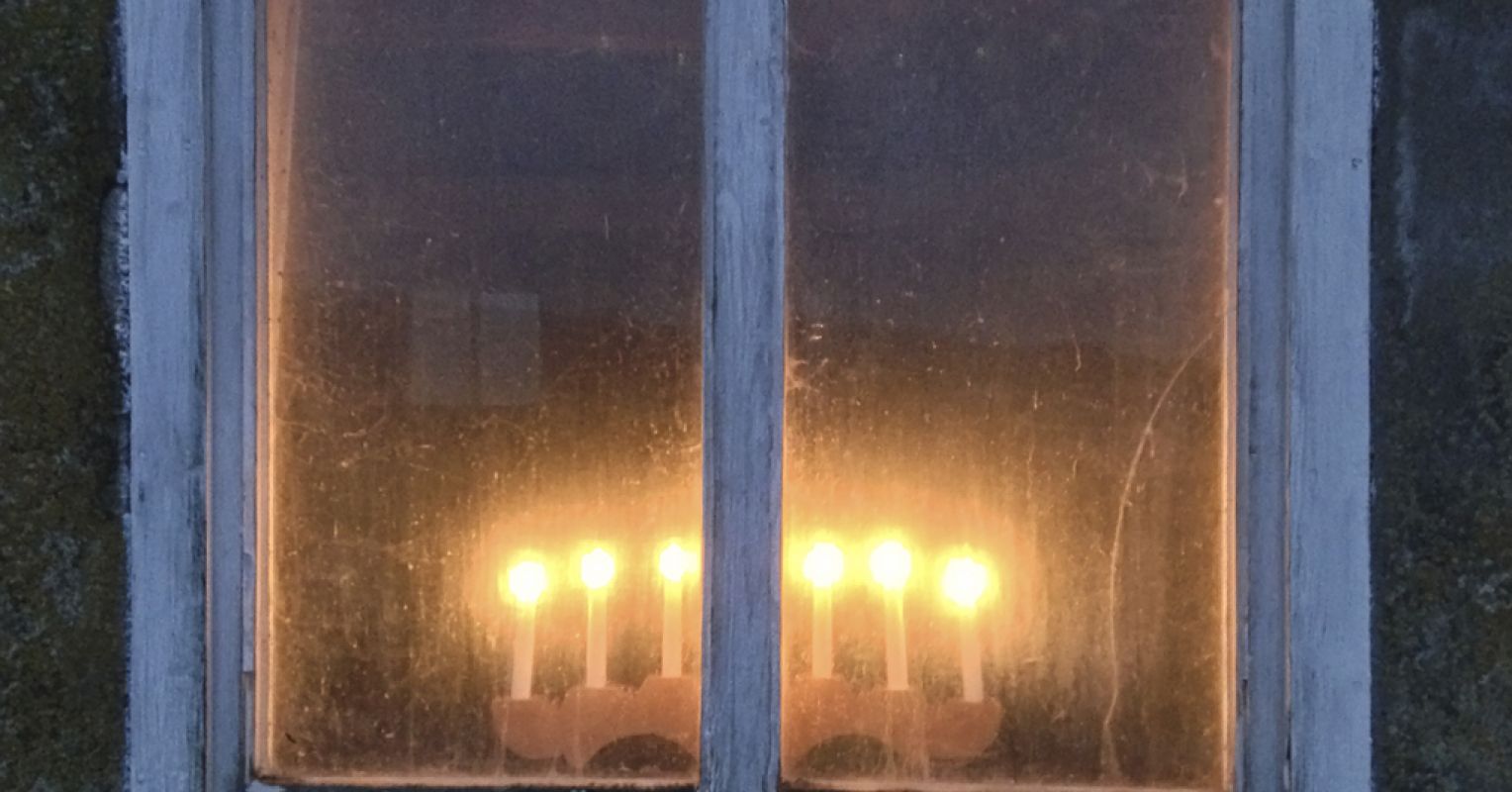
Hanukkah often appears publicly in Western cities because it coincides with Christmas, with menorahs displayed alongside Christmas trees. The holiday, called the Festival of Lights, commemorates a miracle and carries broad lessons. A shooting at a Hanukkah celebration in Sydney left 16 dead and 29 wounded, and the event organizer, Rabbi Eli Schlanger, was among the deceased. Schlanger’s connection to a local rabbi created immediate personal impact for nearby communities. The tragedy produced global ripple effects felt in places like San Diego. A rabbi plans to light a public menorah the same night, demonstrating communal sustenance and resilience in the face of fear and grief.
"Hanukkah is one of the most visibly recognized Jewish holidays in the Western world. This is largely because it coincides with Christmas. If you live in a decent-sized city, you are likely to see menorahs lit alongside Christmas trees in malls or outside city halls. Often called the Festival of Lights, Hanukkah commemorates a mythic story of a miracle that carries enduring lessons for all of us, Jewish or not."
"When I say "today," I mean it in two ways. I mean it broadly, in reference to the world we are living in right now. I also mean it literally. Early this morning, two gunmen opened fire at a Hanukkah celebration in Sydney, Australia. As of this writing, 16 people are confirmed dead and 29 wounded. As is often the case within the Jewish community, the ripple effects of this tragedy are felt globally, including here in San Diego."
"Among the deceased was Rabbi Eli Schlanger, who had organized the event in Sydney. Rabbi Schlanger was a classmate of the rabbi who serves at the synagogue my wife's family attends. My wife and I were there just yesterday for Shabbat, spending the day with him, his wife, and their two beautiful children. His daughter is obsessed with my dog, who they generously allowed to wander the synagogue freely after services."
Read at Psychology Today
Unable to calculate read time
Collection
[
|
...
]