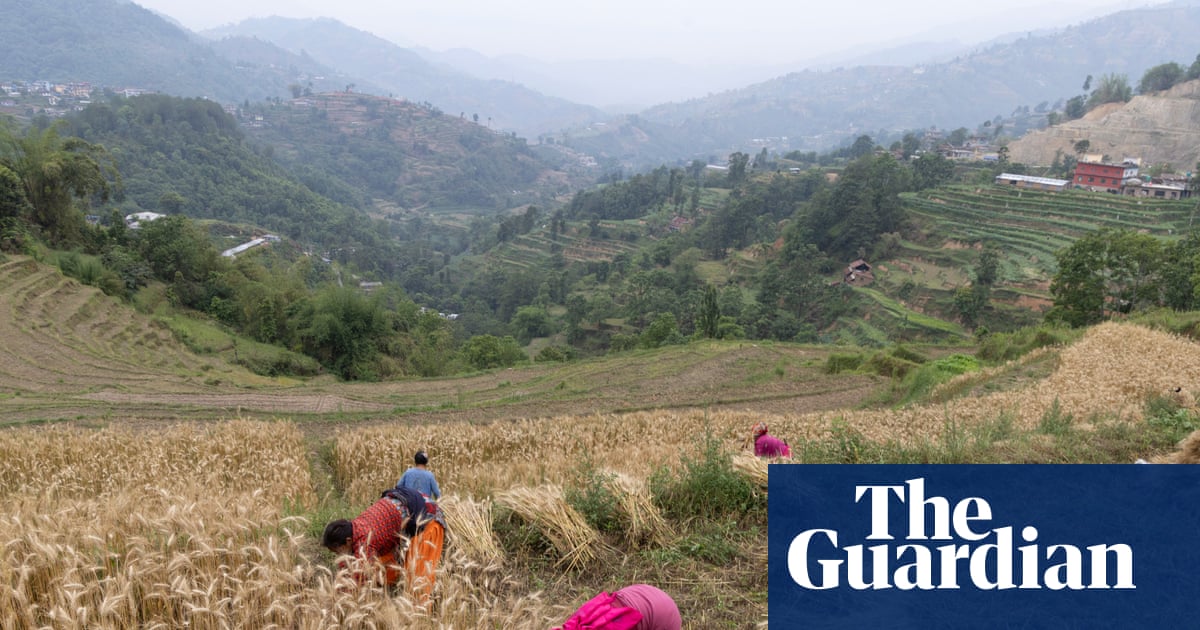
"Global fertiliser supplies must be freed up within weeks to avoid disaster, with harvests suffering and food prices rising, the UK's foreign secretary, Yvette Cooper, has said. The war in Iran has frozen shipments of fertiliser through the strait of Hormuz, creating a supply crunch that has already damaged farming in the UK, Europe and the US and is having its worst impacts in the developing world, where farmers cannot afford the higher prices now being charged."
"We cannot risk tens of millions of people going hungry because one country has hijacked an international shipping lane. Spring is the crucial planting time if farmers in the northern hemisphere cannot be assured of fertiliser supplies now, the damage will play out over the next year. Iran's continued closure of the strait of Hormuz while the agricultural clock is ticking shows why we need urgent global pressure to get the strait reopened, fertiliser and fuel moving, and ease the costs of living pressures."
"This crisis is affecting developed and developing countries, the private and public sectors alike, she said. It shows why we need a new approach to global partnerships, to drive international development to prevent crises in the first place. The Global Partnerships conference, jointly hosted by the UK and South African governments and supported by the Children's Investment Fund Foundation, is intended to help governments, private sector investors and civil society find new ways of working together."
"Despite increasing pressure on prices and rising mountains of debt in developing countries, many rich countries are reducing their overseas aid. The UK cut aid from 0.5% of gross national income under the last government itself a cut from 0.7% under the previous Labour governm"
Fertiliser supplies must be released quickly to avoid major harm to harvests and food prices. War-related disruption has frozen shipments through the Strait of Hormuz, creating a supply crunch that has already damaged farming across the UK, Europe, and the US. The worst impacts are occurring in the developing world, where farmers cannot afford higher fertiliser prices. Spring planting is a critical window in the northern hemisphere, and lack of assured fertiliser now will cause damage over the next year. Urgent global pressure is needed to reopen the strait, move fertiliser and fuel, and ease cost-of-living pressures. The crisis affects both developed and developing countries and both public and private sectors, prompting calls for new global partnership approaches and sustained overseas aid.
#global-food-security #fertiliser-supply-chain #strait-of-hormuz #overseas-aid-and-development #cost-of-living-pressures
Read at www.theguardian.com
Unable to calculate read time
Collection
[
|
...
]