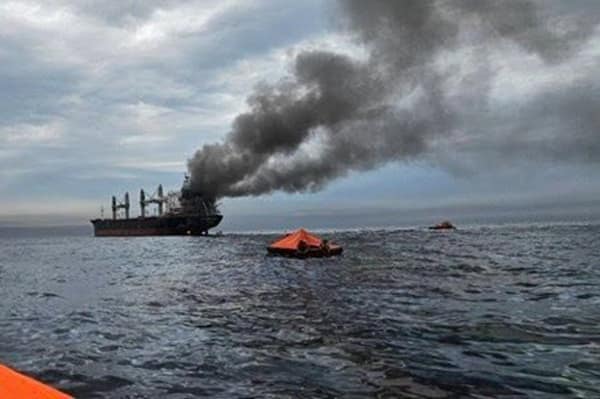
"It's a very dangerous mission. Iran occupies the higher ground across the northern side of the strait, allowing it to launch drones, missiles, or small-boat attacks. Because they can strike from the shore, there's just not enough reaction time to prevent ships from being hit."
"Many countries, especially those who are affected by Iran's attempted closure of the Hormuz Strait, will be sending warships, in conjunction with the United States of America, to keep the strait open and safe. We have already destroyed 100% of Iran's military capability, but it's easy for them to send a drone or two, drop a mine, or deliver a close-range missile somewhere along, or in, this waterway."
The US President has proposed deploying Navy vessels to escort oil tankers through the Strait of Hormuz, which Iran has effectively blocked. This narrow passage handles approximately 20% of global crude oil flow, and its closure has caused global energy prices to spike. Foreign policy experts warn this mission is extremely dangerous because Iran controls the northern shore, enabling it to launch drones, missiles, and small-boat attacks with insufficient reaction time for defense. The President has warned Iran the strait will be reopened militarily if necessary and called on allied nations including China, France, Japan, South Korea, and the UK to send warships to maintain passage. The situation reflects escalating US-Iran tensions with potential consequences for global shipping and energy markets.
Read at London Business News | Londonlovesbusiness.com
Unable to calculate read time
Collection
[
|
...
]