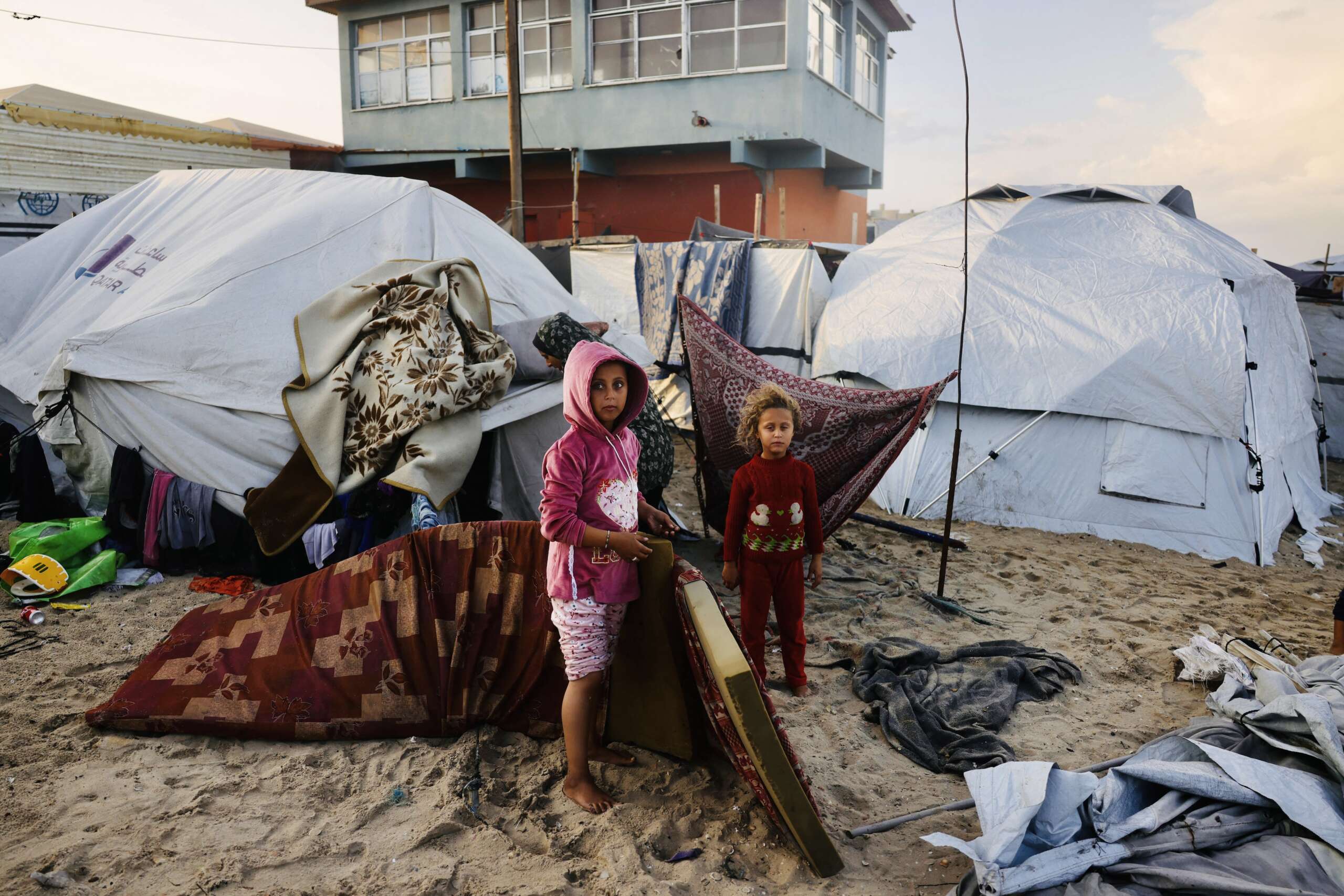
"The sight of a cloud-covered sky signaling the threat of chilling rain has become a nightmare for thousands of displaced families in Gaza - particularly those who have set up their tents along the beach, as the sea level rises due to heavy rainfall. Families have been desperately trying to protect themselves from drowning by building sand barriers around their tents using shovels, reinforcing them with ropes, or covering them with tarps - but many cannot afford these, as a single tarp can cost up to $30."
"As the ceasefire in Gaza took effect in October 2025, many people in Gaza believed that our situation this winter would be better than the previous ones we have endured amid the genocide. But the reality is that conditions are becoming even worse, as Israel continues to restrict the entry of tents, tarps, blankets, and winter clothing into Gaza. Many are still relying on the same worn-out tents they have used for more than two years - some handmade from cloth or nylon - which cannot withstand harsh winds or heavy rainfall. Water easily seeps inside, soaking the few clothes and blankets they own, leaving them exposed to the biting cold with nothing to protect them as they spend hours trying to dry their clothes and blankets."
Thousands of displaced families in Gaza face severe winter hazards as rain, rising seawater along beach camps, and inadequate shelter materials create flooding and exposure risks. Families build sand barriers, use ropes, or seek tarps but many cannot afford protective supplies that cost up to $30. Entry of tents, tarps, blankets, and winter clothing remains restricted, leaving many people in worn-out, handmade tents that fail in wind and heavy rain. Water soaks limited clothing and blankets, increasing cold exposure. United Nations estimates place 1.5 million people at risk and note a high percentage of tents are unfit for habitation.
Read at Truthout
Unable to calculate read time
Collection
[
|
...
]