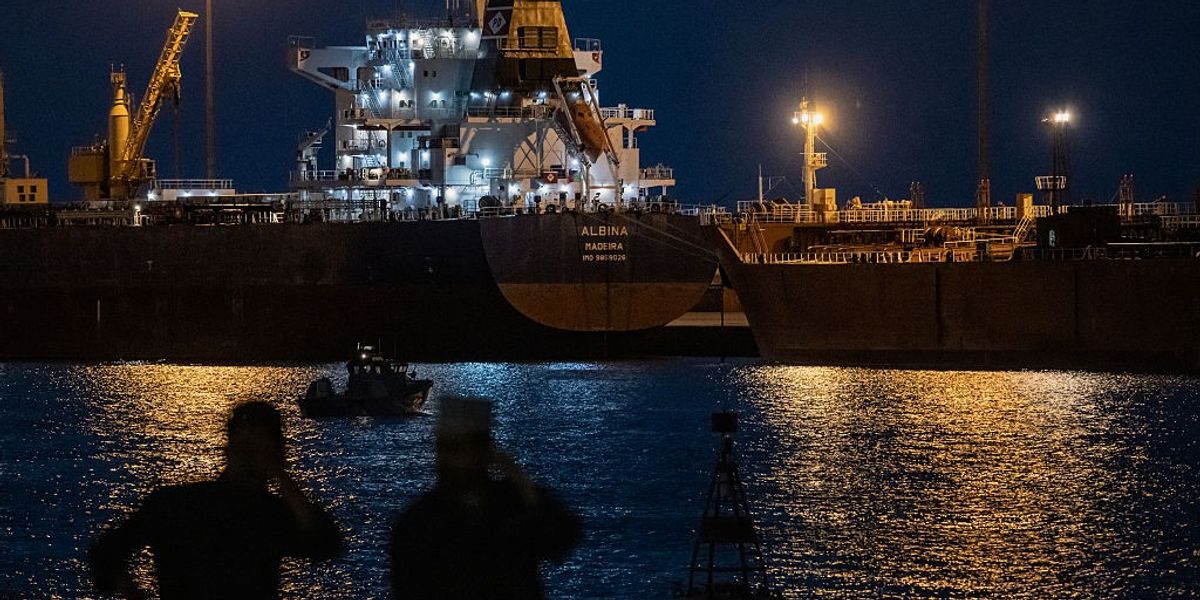
"The strait typically handles 21 million barrels of oil per day during normal operations, according to the IEA's March 2026 assessment. By this month, global oil supply had fallen by approximately 8 million barrels per day - a reduction the IEA has characterized as the largest oil supply disruption in history."
"On March 5, the IRGC announced that Iran would keep the strait closed only to ships from the United States, Israel, and their Western allies. Iran's Foreign Minister Abbas Araghchi stated the strait was 'open, but closed to our enemies.'"
"According to a United States intelligence source, the process is more transactional than diplomatic: a vessel requests permission directly from the IRGC, and if clearance is granted, it passes missile and drone-free. Those permissions come at a price."
Since the onset of Operation Epic Fury, oil tanker transits through the strait have plummeted to 21, compared to over 100 daily before the conflict. Global oil supply has decreased by about 8 million barrels per day, marking the largest disruption in history. Iran has implemented a permission economy, allowing selective passage for friendly nations while closing the strait to the U.S. and its allies. Ships must request permission from the IRGC and pay a fee for passage, indicating a transactional approach to maritime navigation.
Read at The Cipher Brief
Unable to calculate read time
Collection
[
|
...
]