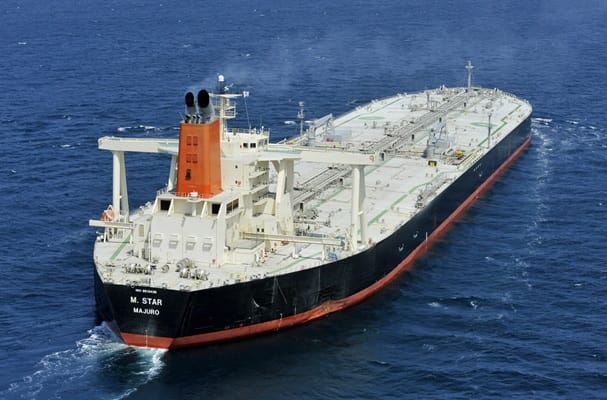
"The renewed closure of the Strait of Hormuz and Iranian authorities' warning vessels to stay away represent a serious escalation that would traditionally push investors toward gold immediately. Yet, the market reaction this time has been different."
"I interpret this as investors becoming more sensitive to U.S. interest rate policies than to geopolitical developments. With expectations that interest rates will remain elevated for longer, holding gold-which yields no return-becomes less attractive compared to interest-bearing assets."
"Political developments between the United States and Iran, including Tehran's denial of entering new peace talks, reflect a state of strategic uncertainty that typically supports gold. However, I believe markets now view these tensions as 'chronic' rather than sudden shocks."
Gold prices fell to around $4,775 despite rising geopolitical tensions in the Strait of Hormuz. This decline indicates a shift in market dynamics, where U.S. interest rate policies are prioritized over geopolitical factors. Investors are now more concerned about the opportunity cost of holding gold, which yields no return compared to interest-bearing assets. Geopolitical risks are viewed as chronic, limiting their impact on gold prices. The expectation of elevated interest rates for an extended period is a key factor in this market behavior.
Read at London Business News | Londonlovesbusiness.com
Unable to calculate read time
Collection
[
|
...
]