"In 2024, which is the most recent year the Centers for Disease Control and Prevention have released data for, Black women faced a maternal mortality rate of 44.8 deaths per 100,000 live births. That means they were more than three times as likely to die during childbirth than white women were. But the Black maternal mortality crisis is just one part of a much larger problem."
"Black women also face disproportionately high rates of fibroids throughout their lives. They're also more likely to have endometriosis go undiagnosed and more likely to die from endometrial cancer. On supporting science journalism If you're enjoying this article, consider supporting our award-winning journalism by subscribing."
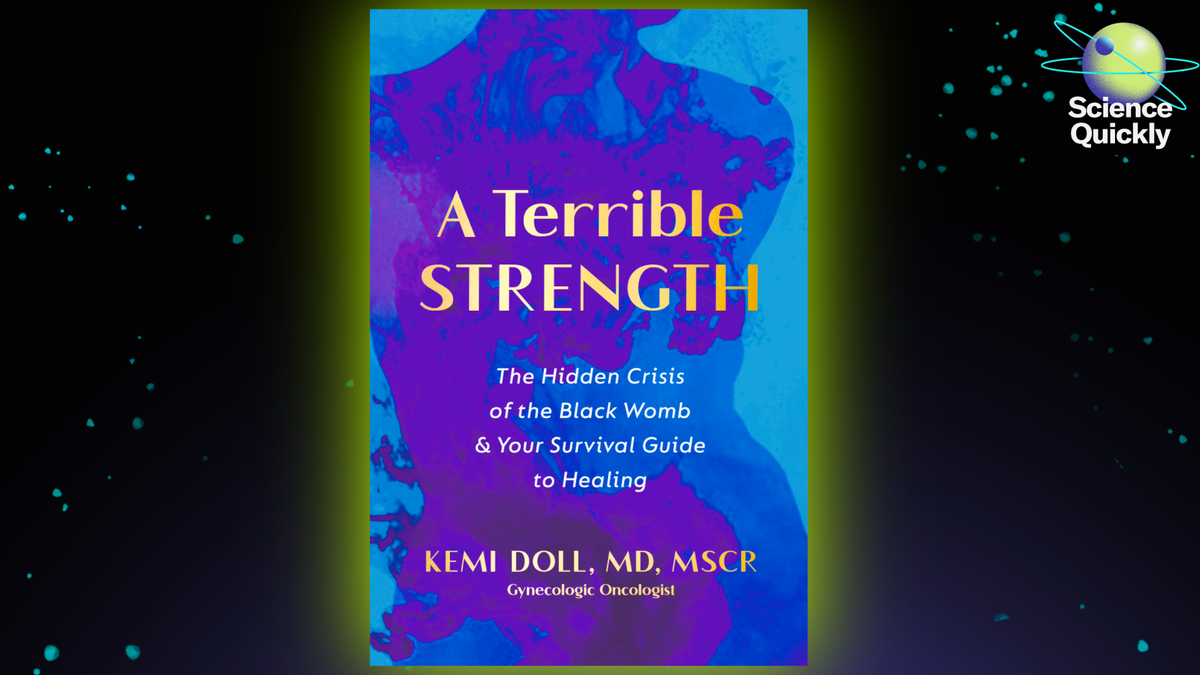
"Dr. Kemi Doll is a professor in the University of Washington School of Medicine's Department of Obstetrics and Gynecology and the director of the university's Gynecologic Research and Cancer Equity Center. Her new book, A Terrible Strength, combines research data and personal stories to offer insight into this crisis and a way forward."
"Yes, I use that phrase very intentionally to encompass the entire what I think of as, like, the gynecologic life course, so, like, the womb from the time that you start your period and through and past the time that people go through menopause, because, as we know, we spend most of our lives not pregnant."
Black women face a maternal mortality rate of 44.8 deaths per 100,000 live births in 2024, exceeding white women’s risk by more than three times. The maternal mortality crisis is part of broader gynecologic inequities across the life course. Black women also experience disproportionately high rates of fibroids, are more likely to have endometriosis go undiagnosed, and face higher risk of dying from endometrial cancer. The phrase “Black womb crisis” is used to cover gynecologic health from the start of menstruation through menopause, emphasizing that most of life is spent not pregnant. A Terrible Strength combines research data and personal stories to provide insight and a way forward.
Read at www.scientificamerican.com
Unable to calculate read time
Collection
[
|
...
]