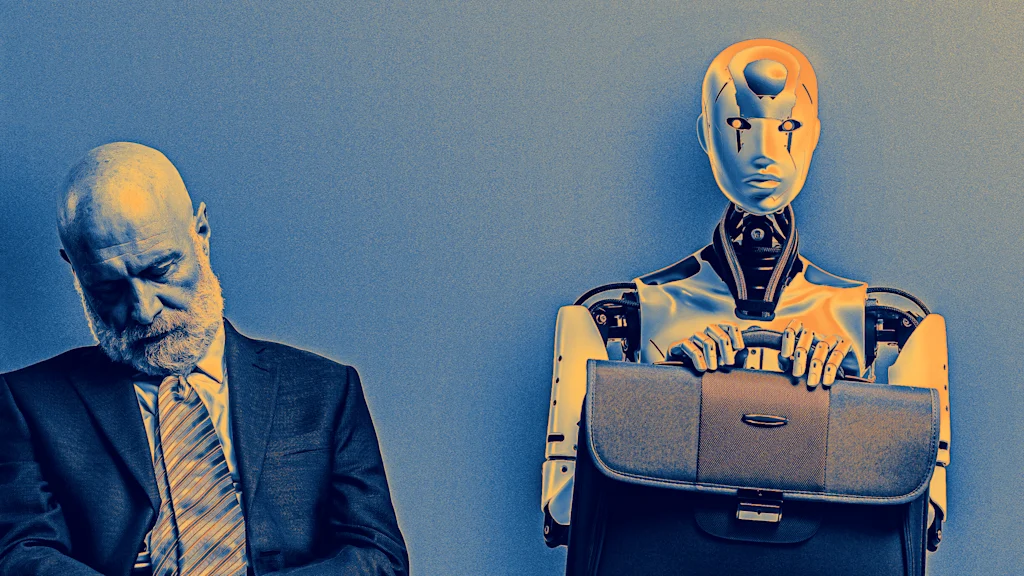
"Artificial intelligence can draft reports, write software, compose correspondence, and generate ideas in a matter of seconds. The systems are improving at a pace few anticipated. Google's chief executive has informed investors that more than a quarter of new code at the company is now AI-generated. At Microsoft, the comparable figure lies between 20 and 30%."
"Philosopher Gwen Bradford argues that an achievement has three core features. First, it must arise from your own agency. The outcome must be attributable to your effort and direction. You cannot outsource the substantive work to another person, or to a machine, and claim the result as fully your own."
"Second, it must be meaningfully difficult. Achievements typically require effort, skill, and perseverance. That's why an Olympic medal is universally regarded as an achievement. It is the celebration of the years of grind the athlete went through."
Artificial intelligence is rapidly transforming workplace productivity, with major tech companies reporting that 20-30% of new code is AI-generated. However, this technological advancement raises profound questions about the nature of achievement itself. Philosopher Gwen Bradford identifies three essential features of true achievement: personal agency where outcomes result from individual effort, meaningful difficulty requiring skill and perseverance, and non-accidental success based on competence rather than luck. As AI systems increasingly handle complex tasks like writing, coding, and idea generation in seconds, the traditional markers of accomplishment become blurred. When machines perform substantive work, claiming results as personal achievements becomes philosophically questionable, similar to helicoptering to Everest's summit rather than climbing it.
#artificial-intelligence #achievement-and-accomplishment #philosophy-of-work #ai-in-the-workplace #human-agency
Read at Fast Company
Unable to calculate read time
Collection
[
|
...
]