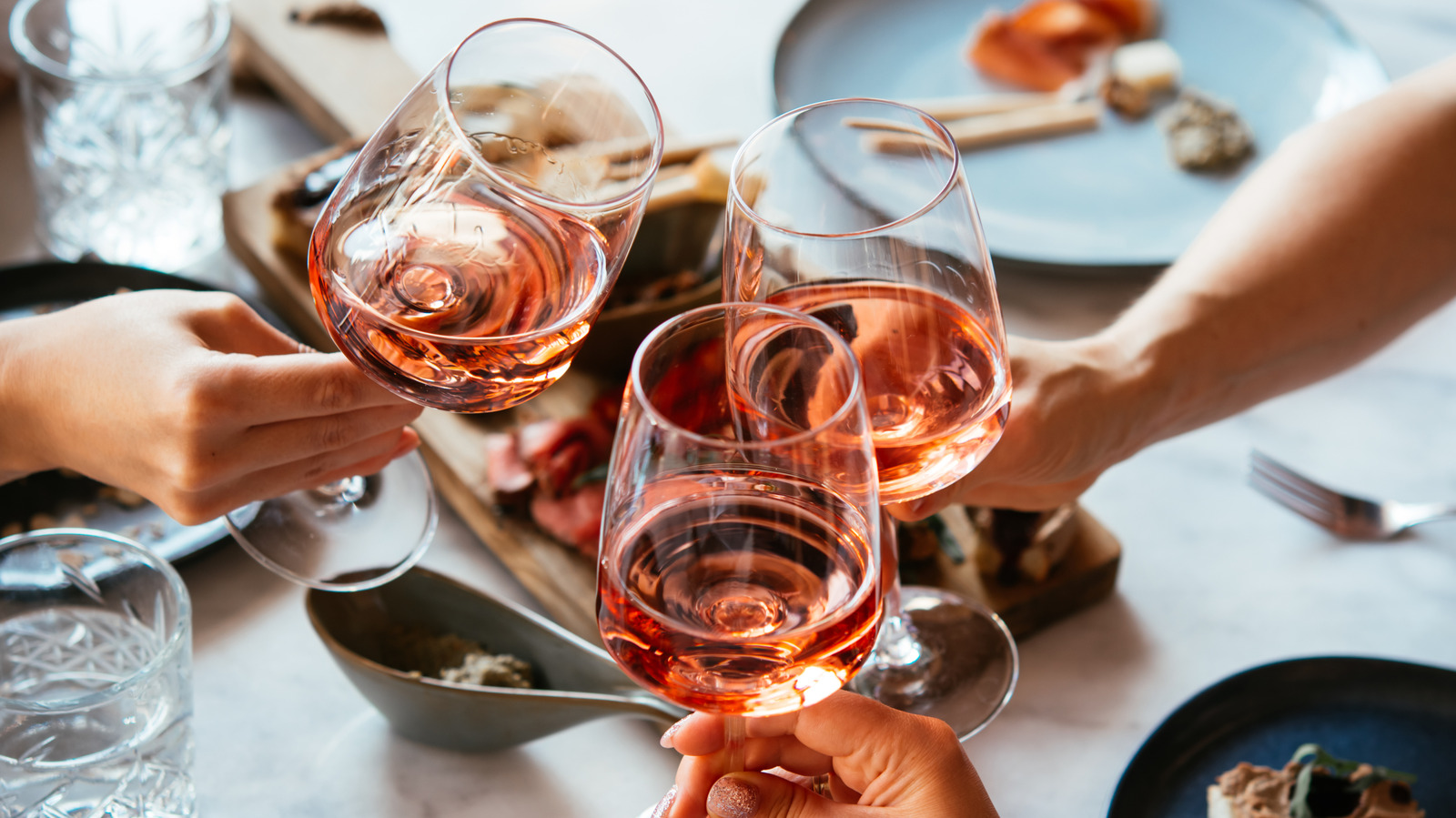
"Rosé has been fully integrated into the world of popular wine for decades now, but it still isn't given the level of respect by most people that the more classic red and whites are. Just think of how many different styles of those wines you know. Red isn't just red, it's blends like Bordeaux, or you have many popular grapes like Cabernet. But to the average person rosé is just, well, rosé. Of course that is nowhere near the actual truth, and there are tons of different styles of rosé wines that are just as varied and complex as their red and white relatives."
"Normally rosé is made from red grapes, and usually acquire their lighter color and flavor from the shorter period of time the juice spends macerating in contact with skins. Of course this process can be shortened or extended to any length, and winemakers can leave the skins on a little longer to get a darker, deeper pink color with more complex flavors, while still being rosé."
"The second source of color comes from what grapes are used. Like any wine, rosé can be made from one or a combination of grape varietals, but Pinot Noir and Merlot tend to produce the lighter colors Americans are familiar with, while Grenache and Malbec produce darker hues."
"Being made from rich wines like Grenache and made in a way that splits the difference between rosé and red you might expect the actual taste of these wines to also be a blend of those two, and you would be correct. Compared to the light texture and crisp flavor of the pale rosés m"
Rosé has long been popular but often receives less respect than classic reds and whites, even though it includes many distinct styles. Dark rosé connects lighter rosé styles with red wine. Its deeper color can come from longer skin contact during maceration, which increases color intensity and adds complexity while still keeping the wine in the rosé category. Color also varies by grape choice: Pinot Noir and Merlot tend to yield lighter shades, while Grenache and Malbec produce darker hues. Dark rosé is typically drier and more complex, with a taste that reflects both rosé and red characteristics.
Read at Tasting Table
Unable to calculate read time
Collection
[
|
...
]