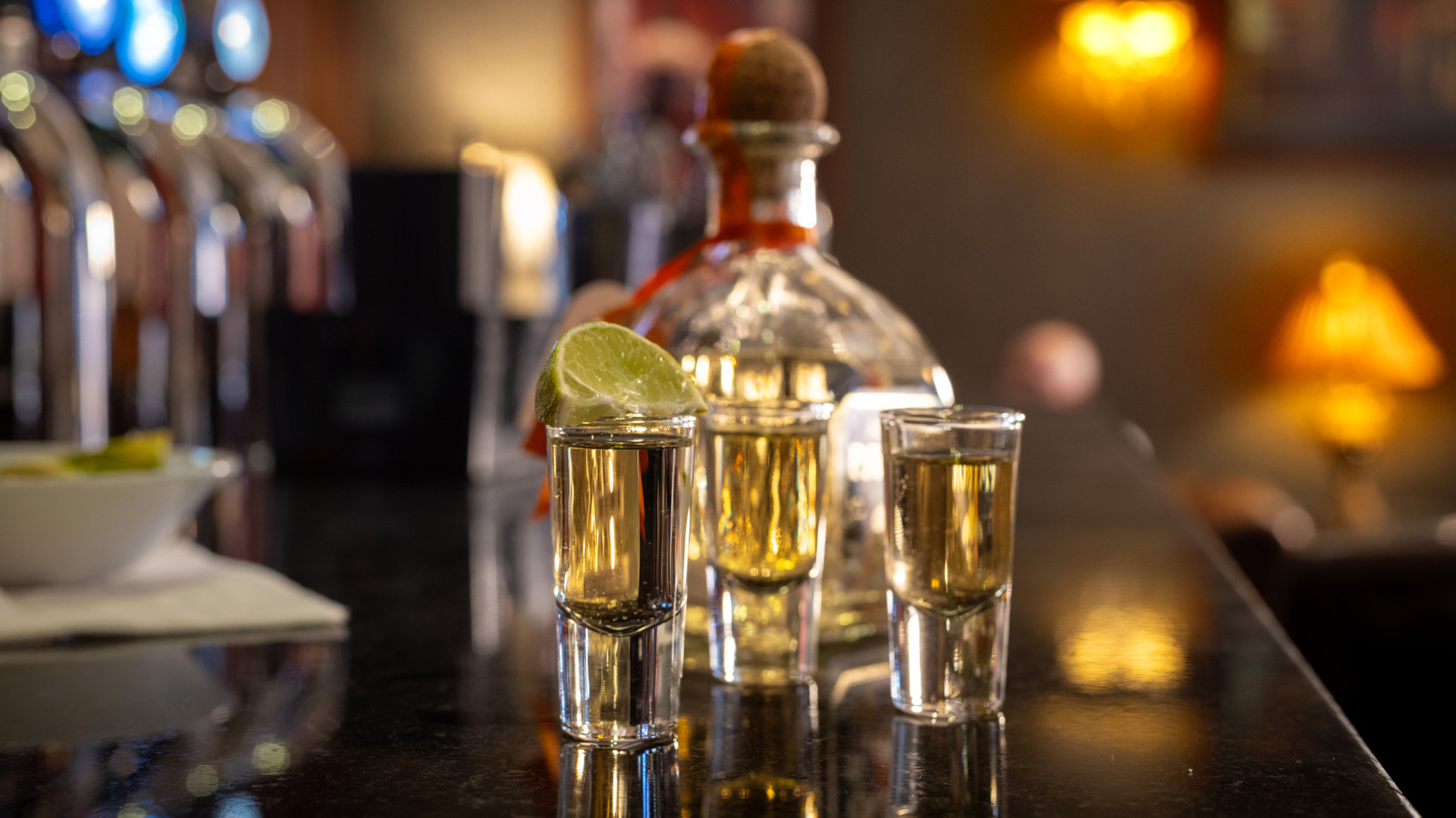
Terroir refers to how the environment and production techniques affect food and drink flavors. In tequila, produced mainly in Jalisco, Mexico, geography plays a crucial role. The highlands yield fruitier flavors due to clay-rich soil and temperature variations, while lowlands produce earthier tastes. Highland agave plants, grown at high altitudes, experience stress that increases sugar production, enhancing flavor complexity. Understanding these regional differences is essential for appreciating tequila's unique characteristics.
"Terroir describes how a food or drink is affected by where it was made, with unique variations in its growing environment and the techniques used to produce it."
"Tequila is produced in two main areas: The highlands and the lowlands. When produced in the highlands, tequila has a fruitier flavor, while the rich soil in lowland areas imparts tequila with a more earthy taste."
"The highlands of Jalisco, also known as Los Altos, are one of two major Blue Weber agave growing regions in the state. The clay-rich soil here is full of iron, giving the land the color of rust, known locally as 'tierra roja.'"
Read at Tasting Table
Unable to calculate read time
Collection
[
|
...
]