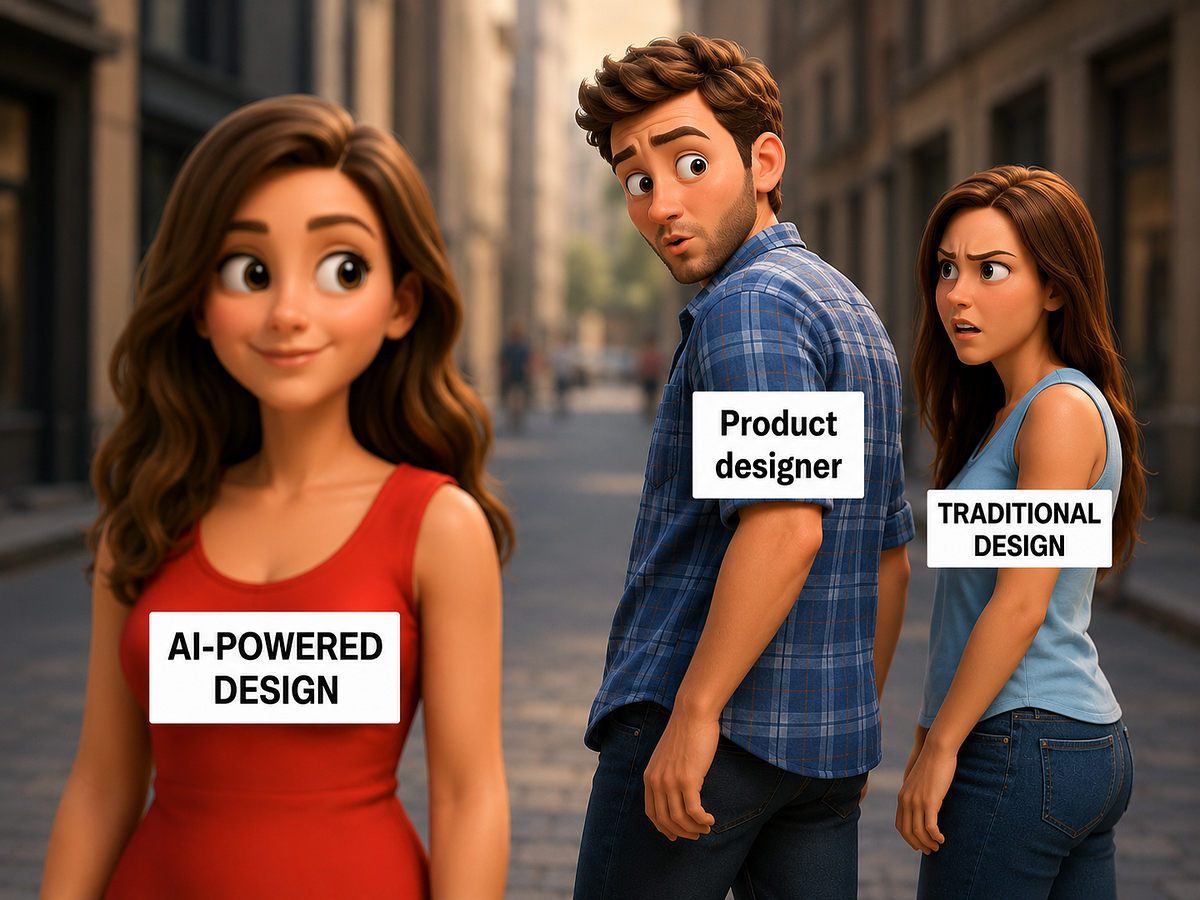
AI-powered design tools generate first drafts quickly, but they rarely produce production-ready products. Many generated interfaces lack deep UX reasoning, oversimplify workflows, ignore product constraints, and break consistency across screens. This creates a large gap between impressive visuals and strong real-user performance. AI reduces the cost of prototyping, but it does not remove the need for product thinking. Prompting helps, yet it matters less than system design and defining the underlying structure. As AI improves at interpreting intent, designers still must guide constraints, coherence, and decision-making to achieve usable outcomes.
"AI tools can generate first drafts extremely fast. But first drafts are far from finished products. Most AI-generated interfaces lack deep UX reasoning. AI tools tend to oversimplify workflows, ignore product constraints, and break consistency across screens. As a result, the gap between "looks impressive" and "works great for real users" is still massive. So far, AI reduces the cost of prototyping, but it does not eliminate product thinking."
"Prompting as a skill of using specific words & sentences that maximize AI tools' efficiency matters far less than system design. AI tools evolve and become much better at understanding the designer's intention. But even..."
Read at Medium
Unable to calculate read time
Collection
[
|
...
]