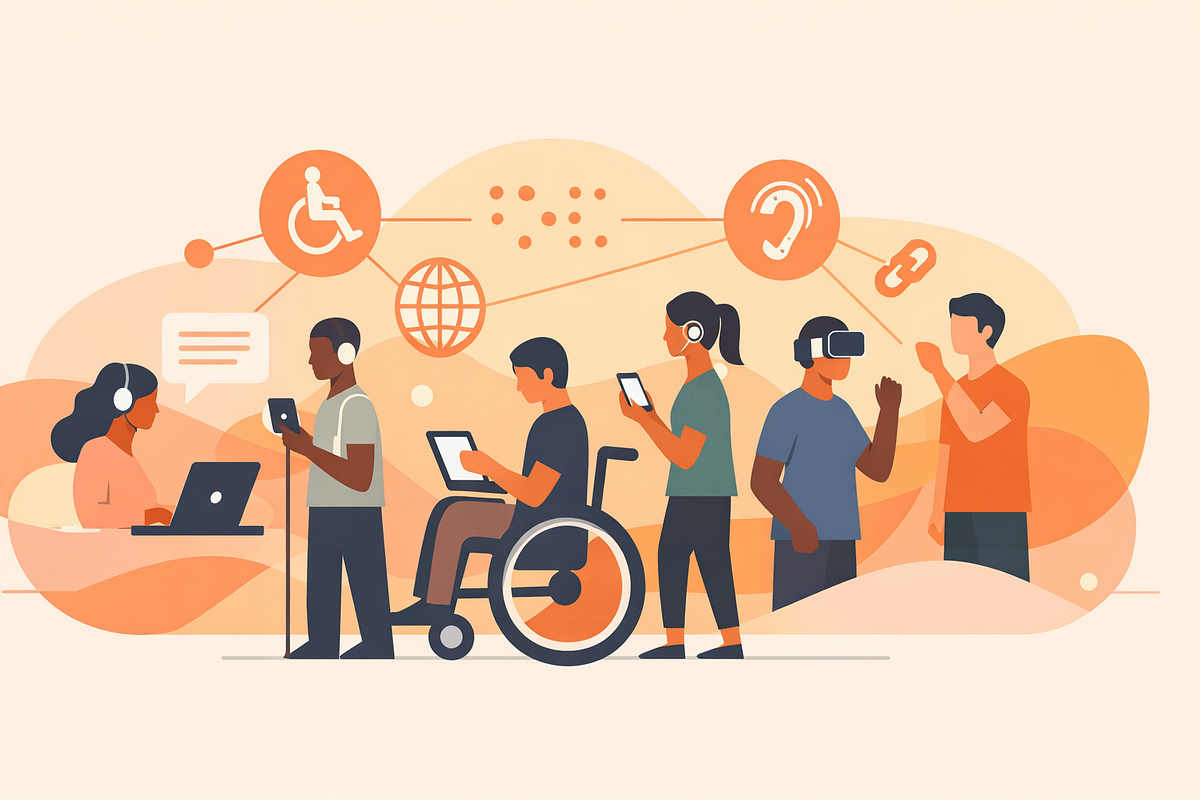
"We rarely set out to exclude anyone. Most of the time, exclusion happens in the background as small decisions are deferred. There's always a reason to wait - a critical feature to launch, a tight budget, a feeling that accessibility can be "fixed later." But accessibility isn't like a decorative flourish that can be added at the end. When it's postponed, the harm compounds quietly."
"The result is what I call accessibility debt - the growing gap between what a product should offer and what it actually delivers for people of varying abilities. Over time, that debt gets expensive. Not just in developer hours, but in lost trust and frustrated users. Globally, 1.3 billion people - roughly one in six of us - live with some form of significant disability."
Small, deferred decisions about accessibility create a widening "accessibility debt" between a product's intended usability and its real-world accessibility for people with varying abilities. Accessibility postponed is not a decorative add-on; it compounds harms quietly and becomes expensive in developer time, lost trust, and frustrated users. Approximately 1.3 billion people worldwide live with significant disabilities, and aging populations increase that figure. Each delayed accessibility decision signals exclusion to a large portion of potential users. Treating accessibility like a later fix is strategically risky and grows costly over time.
Read at Medium
Unable to calculate read time
Collection
[
|
...
]