"The government now perceives itself as a source of capital and the markets perceive them as a source of capital-it's not going to stop,"
"[A]ny business that either sells a lot of stuff to the federal government or gets a lot of subsidies from the federal government is going to be a target,"
"I think it's extraordinarily dangerous and the reason I think it's not going to go away is that regardless of the outcome, I think this is where the Republican Party is,"
"and it's where the Democrat Party has wanted to be for a long time."
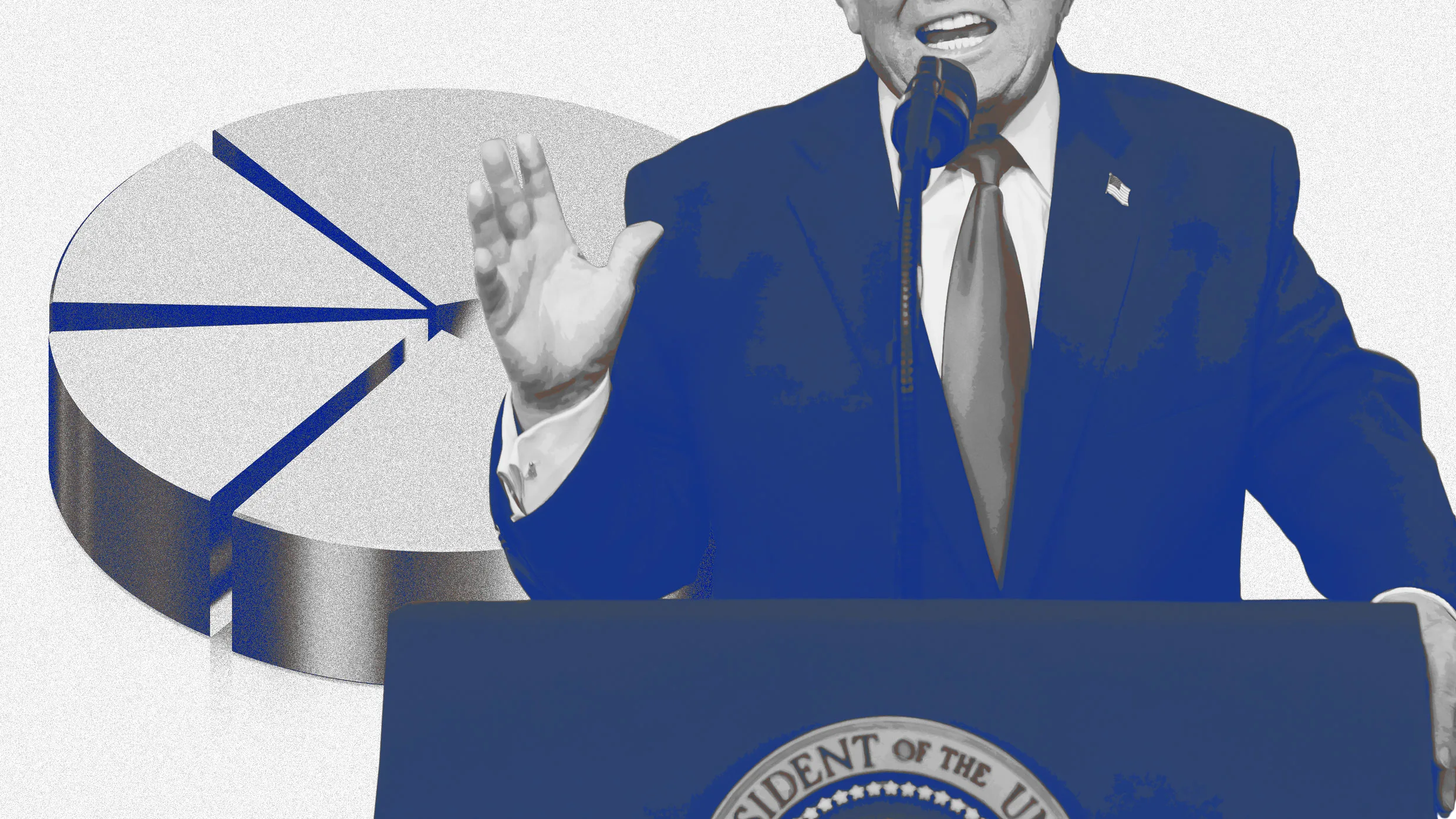
The U.S. government began taking minority equity stakes in private companies in 2025 as a form of industrial policy intended to tie the executive branch to firms deemed essential to national security and economic competitiveness. The policy aims to rebuild domestic supply chains, reduce reliance on China, and keep critical industries under U.S. control. The approach places the government in a venture-capital role, creating incentives and pressures for companies that depend on federal contracts or subsidies to accept investment. Historical precedent for government equity occurred mainly during crises, such as Chrysler in the early 1980s and stakes taken during the 2008 financial crisis.
#industrial-policy #government-equity-investments #national-security-supply-chains #political-and-market-risk
Read at Fast Company
Unable to calculate read time
Collection
[
|
...
]