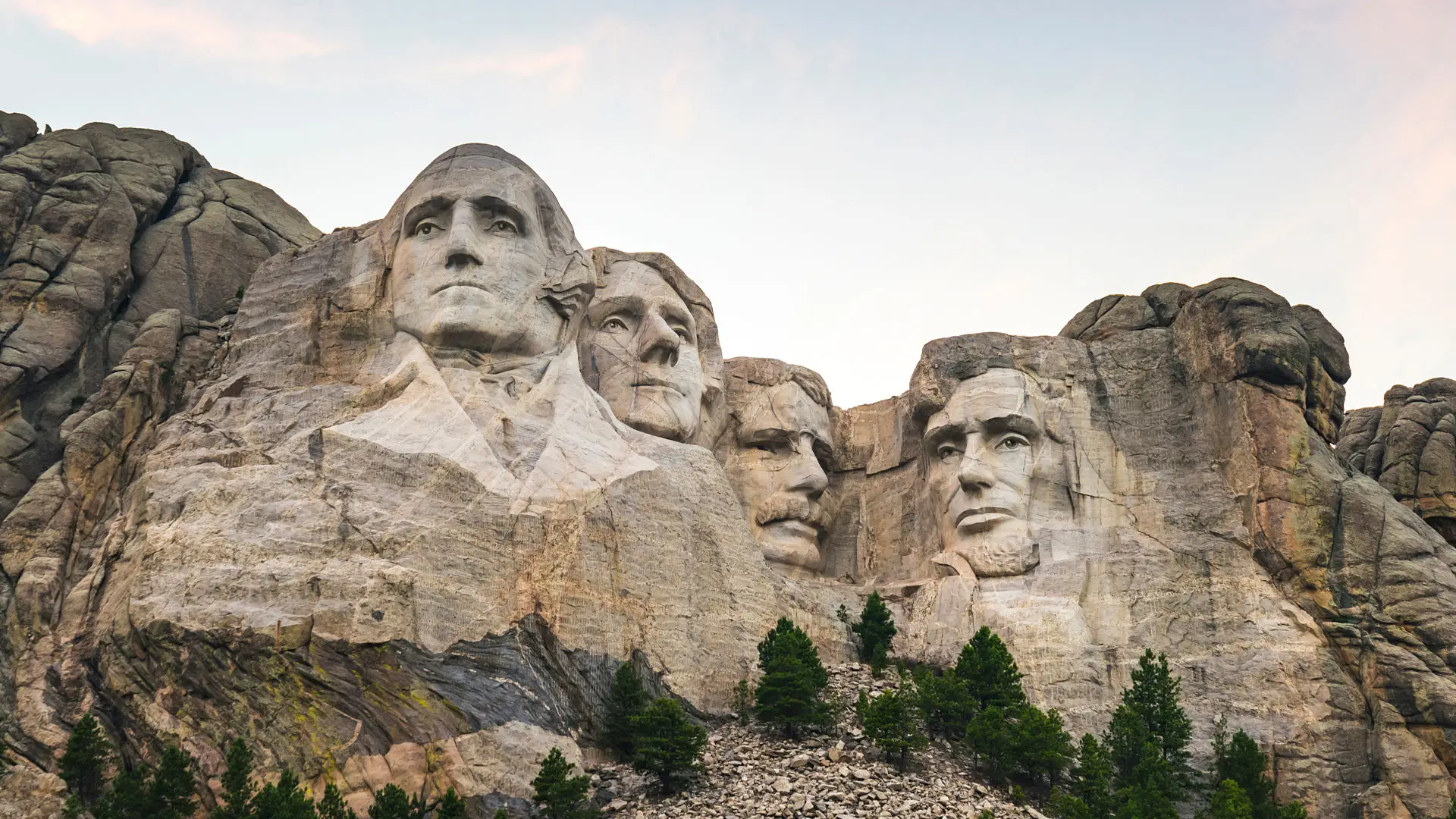
"George Washington, the first president of the United States, has everything to do with Presidents' Day. The holiday evolved out of a remembrance of the man who helped defeat the British and usher the country into a new era as an independent nation. Washington served as head of state from 1789 to 1797 and died in 1799. The following year many began celebrating his legacy on his birthday, February 22."
"It wasn't until 1879 that his birthday became a federal holiday, when President Rutherford B. Hayes signed it into law. At first this new edict only included Washington, D.C., but in 1885 the whole country got in on the act. The 16th president, Abraham Lincoln, is also associated with Presidents' Day because of his February 12 birthday. Some states such as Illinois recognized it as day of observance even though it was never an official federal holiday."
Presidents' Day falls on a Monday and is officially called Washington's Birthday. George Washington's legacy is honored because he served as head of state from 1789 to 1797 and died in 1799; many began celebrating his birthday on February 22. Washington's birthday became a federal holiday in 1879 when President Rutherford B. Hayes signed the law; the holiday applied to Washington, D.C. initially and became nationwide in 1885. Abraham Lincoln, born February 12, is also associated with Presidents' Day. Some states, such as Illinois, recognized Lincoln's birthday as an observance even though it was never an official federal holiday. Monday observances can create confusion about openings and closures.
Read at Fast Company
Unable to calculate read time
Collection
[
|
...
]