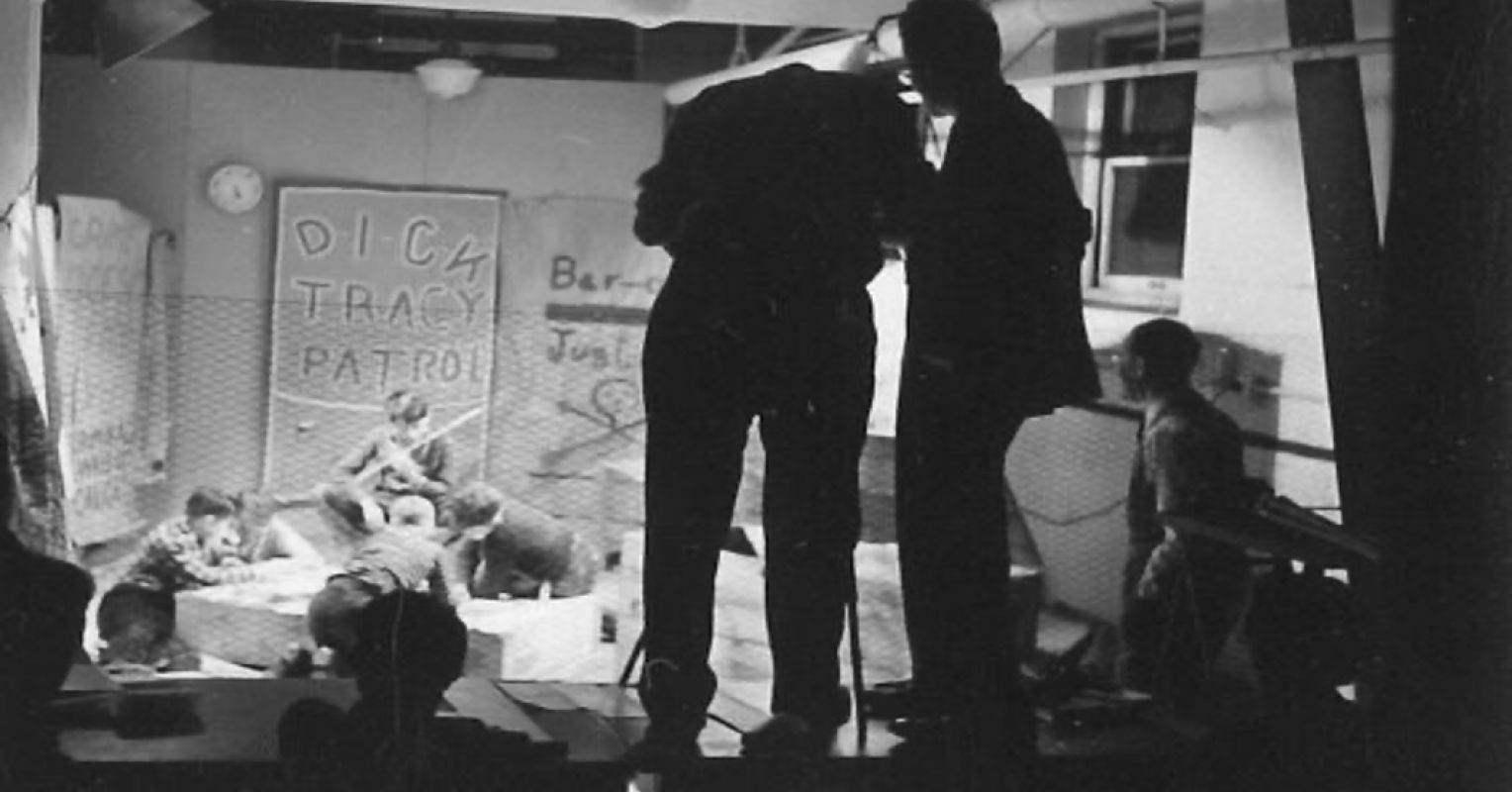
In the late 1930s, social psychologists conducted an experiment rotating adult leaders through small groups of boys assigned ordinary projects. They compared authoritarian, democratic, and laissez-faire leadership styles and observed consistent behavioral patterns. Authoritarian leadership produced apparent productivity only in the leader’s presence, while creativity collapsed, aggression rose, and scapegoating emerged when the leader left. Laissez-faire leadership generated chaos, declining productivity, domination by strong personalities, and growing frustration. Democratic leadership combined clear goals, participation, respect, and shared authority, producing productive, creative, cooperative, and resilient groups that functioned well without the leader present. Leadership emerged as a social climate rather than merely an individual trait.
"Under authoritarian leadership, productivity often appeared high, but only when the leader was physically present. However, creativity collapsed, aggression spiked, and scapegoating emerged. When the authority figure left the room, the group either froze or devolved into conflict. Compliance, it turned out, was not the same as commitment. Under laissez-faire leadership, chaos reigned. Without guidance or shared norms, productivity dropped sharply, stronger personalities dominated, and frustration grew. Freedom without structure proved as corrosive as domination without consent."
"The results were striking, consistent, and disturbingly predictive. Only democratic leadership-where leaders set clear goals, encouraged participation, modeled respect, and treated authority as a shared process rather than a personal possession-produced groups that were consistently productive, creative, cooperative, and resilient. Most important, these groups functioned well even when the leader was absent. Leadership, Lewin and colleagues concluded, was less of a trait than a social climate."
Read at Psychology Today
Unable to calculate read time
Collection
[
|
...
]