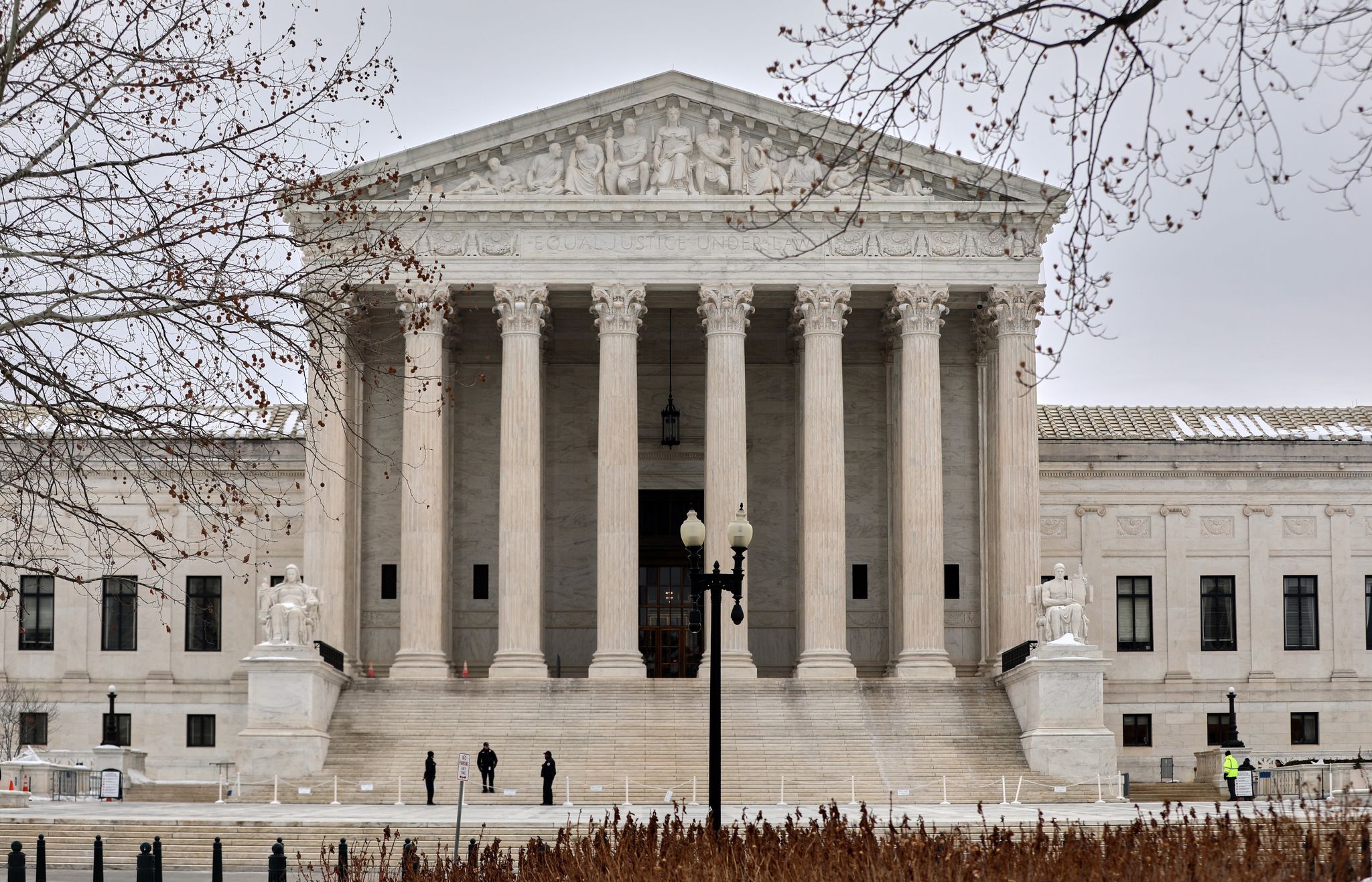
"The Supreme Court struck down President Donald Trump's far-reaching global tariffs on Friday, handing him a significant loss on an issue crucial to his economic agenda. The 6-3 decision centers on tariffs imposed under an emergency powers law, including the sweeping "reciprocal" tariffs he levied on nearly every other country. It's the first major piece of Trump's broad agenda to come squarely before the nation's highest court, which he helped shape with the appointments of three conservative jurists in his first term."
"The majority found that the Constitution "very clearly" gives Congress the power to impose taxes, which include tariffs. "The Framers did not vest any part of the taxing power in the Executive Branch," Chief Justice John Roberts wrote. Justices Samuel Alito, Clarence Thomas and Brett Kavanaugh dissented. "The tariffs at issue here may or may not be wise policy. But as a matter of text, history, and precedent, they are clearly lawful," Kavanaugh wrote in the dissent. The tariffs decision doesn't stop Trump from imposing duties under other laws. While those have more limitations on the speed and severity of Trump's actions, top administration officials have said they expect to keep the tariff framework in place under other authorities."
"The Supreme Court ruling comes despite a series of short-term wins on the court's emergency docket that have allowed Trump to push ahead with extraordinary flexes of executive power on issues ranging from high-profile firings to major federal funding cuts. The Republican president has been vocal about the case, calling it one of the most important in U.S. history and saying a ruling against him would be an economic body blow to the country."
The Supreme Court invalidated broad global tariffs imposed under an emergency powers law by a 6-3 vote. The majority held that the Constitution vests taxing power, including tariffs, in Congress rather than the Executive Branch. Chief Justice John Roberts emphasized that the Framers did not grant taxing authority to the president. Three justices dissented, arguing the tariffs could be lawful on textual and historical grounds. The ruling does not bar the president from imposing duties under other statutes that carry different limits. The decision follows other recent emergency-docket rulings that temporarily favored executive actions.
Read at SFGATE
Unable to calculate read time
Collection
[
|
...
]