"she pointed to a dynamic that trading legend George Soros once observed, namely that market expectations help shape reality, not just predict what's ahead. But traders of stocks, bonds, currencies, and commodities are reacting to events and making forecasts based on that. What's different about prediction markets is they can give the appearance of consensus for something that hasn't happened yet, Scanlon warned."
"Scanlon, who has been dubbed Gen Z's favorite economic commentator and authored the book In This Economy? How Money & Markets Really Work, added the speed with which prediction markets price events is another concern. As traders bid on the odds of a particular outcome, it establishes a narrative before an alternate one derived from a more democratic process can challenge it. 'Legitimacy increasingly flows to whoever processes uncertainty first,' she wrote. 'Markets have optimized for speed. Democracy has been designed for deliberation.'"
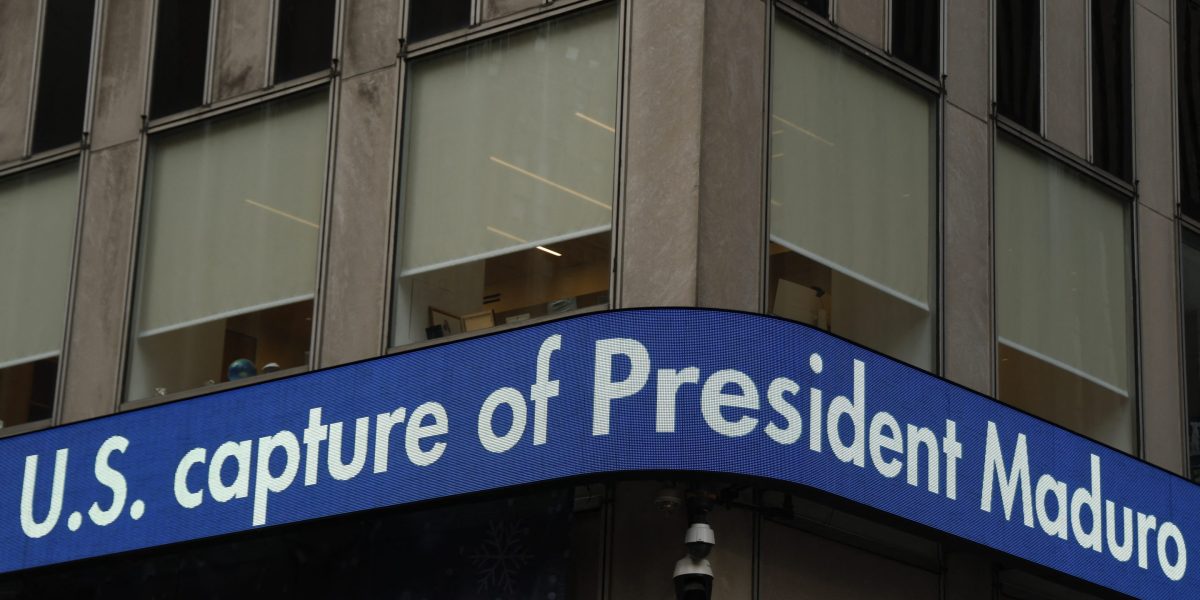
Prediction markets can prematurely create a permission structure by producing an appearance of consensus about future events before democratic deliberation. Market expectations can shape reality rather than merely predict it, giving legitimacy to outcomes processed faster than institutions can respond. Rapid pricing establishes narratives that can preempt alternative deliberative accounts. Large traders can exert outsized influence and may benefit from insider information, raising fairness and governance concerns. High-speed market responses can validate political actions when markets process events ahead of democratic bodies. A recent Polymarket example involved a sizable pre-raid bet on Nicolás Maduro's exit that yielded a large payout.
Read at Fortune
Unable to calculate read time
Collection
[
|
...
]