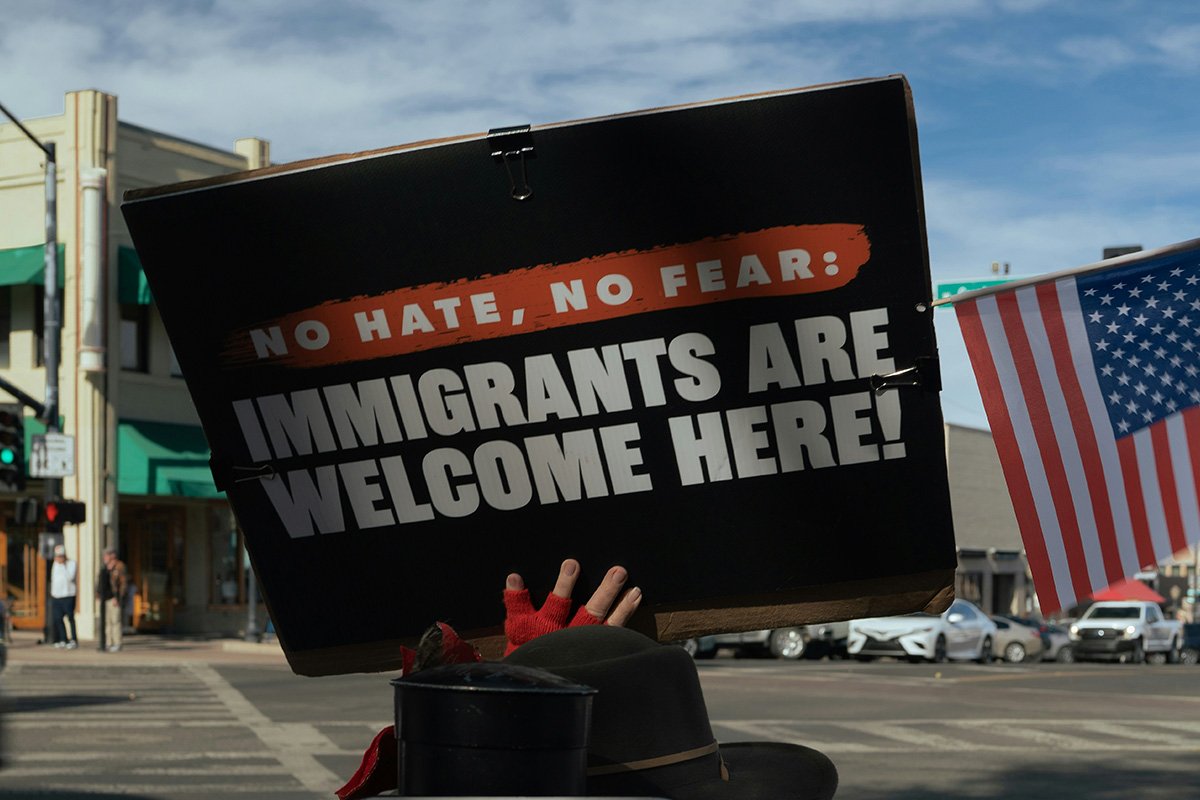
Martin Huppert immigrated from Hungary to America at age 18 in 1900 and settled in Jersey City, earning a living distilling and selling liquors. Prohibition made his trade illegal in 1919, turning his livelihood into bootlegging until 1933 when Prohibition ended and the work became lawful again. Economic necessity and family responsibilities drove participation in illicit economies. Contemporary mass-deportation efforts under President Trump provoke despair and outrage among those with immigrant roots or empathic instincts. Nonprofits function as critical legal tools that enable ordinary citizens to resist harsh immigration enforcement, exemplified by Minneapolis residents and nonprofits pressuring a presidential rollback after deadly enforcement incidents.
"I never met my immigrant ancestors, but I know my great-grandfather, Martin Huppert, would likely have been deported under President Trump. Immigrating to America from Hungary at the age of 18 in 1900, Huppert settled in Jersey City and made his living both distilling and selling liquors. When alcohol became illegal with the passage of the Eighteenth Amendment in 1919, Huppert's vocation transformed into a criminal enterprise, and thus Huppert became a bootlegger-at least until Prohibition ended in 1933 and Huppert's livelihood became legal again."
"When I see immigrants treated cruelly and deported under Trump, I think of Huppert's humanity and feel despair and rage. Millions of my fellow Americans are likewise horrified by Trump's persecution of immigrants, either because they appreciate their own immigrant roots or simply out of instinctive empathy. Yet with Trump solidifying his control over the media, the courts, academia, and the military, we also worry that we are powerless to change anything."
Read at Nonprofit Quarterly | Civic News. Empowering Nonprofits. Advancing Justice.
Unable to calculate read time
Collection
[
|
...
]