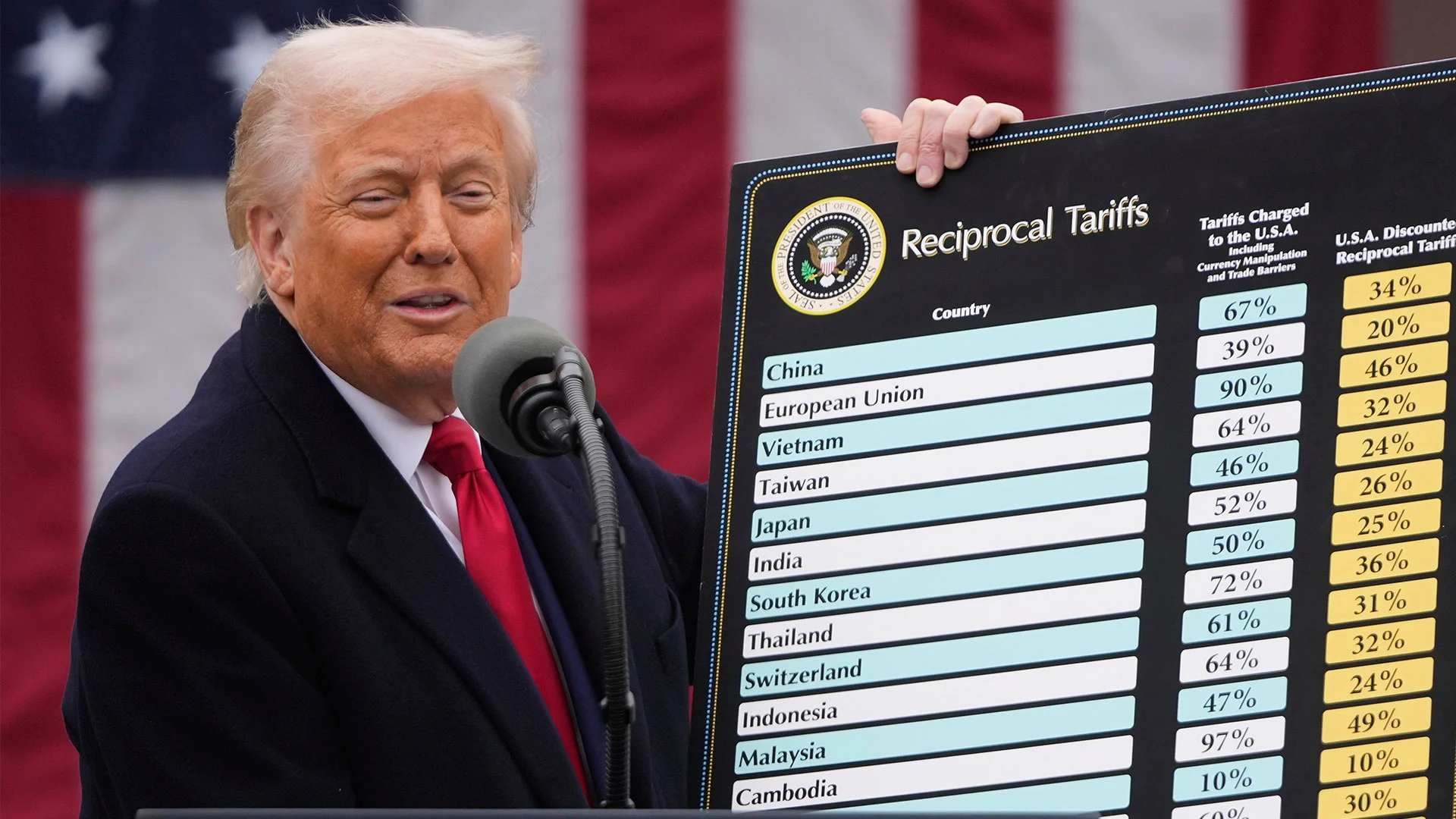
"When the Supreme Court granted an unusually quick hearing over President Donald Trump's tariffs, a similarly rapid resolution seemed possible.After all, Trump's lawyers told the court that speed was of the essence on an issue central to the Republican president's economic agenda. They pointed to a statement from Treasury Secretary Scott Bessent warning that the "longer a final ruling is delayed, the greater the risk of economic disruption.""
"No one knows for sure what's going on among the nine justices, several of whom expressed skepticism about the tariffs' legality at arguments in November. But the timeline for deciding the case now looks more or less typical and could reflect the normal back-and-forth that occurs not just in the biggest cases but in almost all the disputes the justices hear. Several Supreme Court practitioners and law professors scoffed at the idea the justices are dragging their feet on tariffs."
"The timeframe alone also doesn't point to one outcome or the other.One possible explanation, said Carter Phillips, a lawyer with 91 arguments before the high court, "is that the court is more evenly divided than appeared to be the case at oral argument and the fifth vote is wavering."Even if the majority opinion has been drafted and more or less agreed to by five or more members of the court, a separate opinion, probably in dissent, could slow things down, Phillips said."
The Supreme Court granted a fast hearing on President Trump's tariffs, and lawyers urged urgency, citing Treasury Secretary Scott Bessent's warning about economic disruption from delay. Nearly three months have passed since oral arguments, and the court is not scheduled to meet in public for more than three weeks. Several justices expressed skepticism at arguments, but observers say the current timeline resembles typical judicial back-and-forth. Legal practitioners rejected claims that the court is intentionally stalling. One possible explanation is a wavering fifth vote, and separate opinions could slow issuance of a final ruling.
Read at Fast Company
Unable to calculate read time
Collection
[
|
...
]