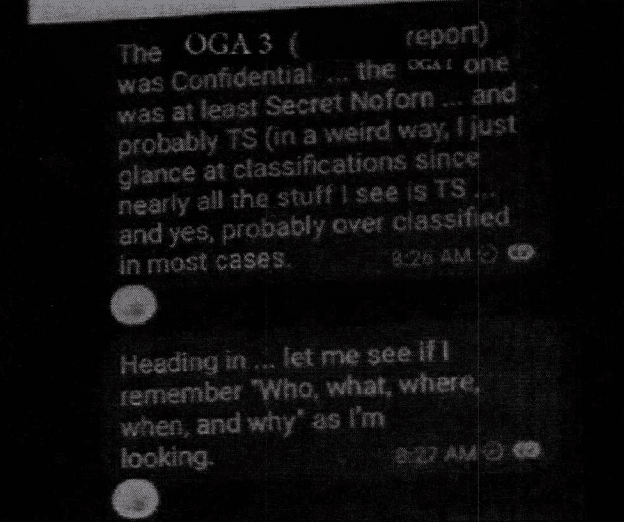
An indictment charges Aurelio Perez-Lugones, a government contractor, with sharing classified information with Washington Post journalist Hannah Natanson. Law enforcement seized multiple devices from Natanson, including two MacBook Pros, an iPhone, a portable hard drive, a Garmin running watch, and a voice recorder. DOJ possesses screenshots allegedly showing Perez-Lugones sending photographs of classified documents to Natanson. The indictment lists the stories containing the purportedly classified material. Prosecutors likely can prove access and sharing, but may face challenges proving the material qualifies as defense information and that secrecy was preserved. DOJ refused limits sought by the newspaper while a magistrate temporarily halted searches. Parties conferred on January 16, 2026, with a proposed process to preserve seized data, return property, and review only identified responsive material.
"The indictment is written in a way that may harm the case, and that should make it easier for WaPo to demonstrate the overkill of the searches - which include 2 MacBook Pros, an iPhone, a portable hard drive, her Garmin running watch, and her voice recorder - targeting Natanson. After all, DOJ has screen shots of Perez-Lugones allegedly sending Natanson photographs of classified documents. They don't need anything from her."
"Plus, they do something I've never seen in a classified leak case: identify all the stories in which the purportedly still-classified information appears. The indictment reveals: Prosecutors won't have a hard time proving that Perez-Lugones accessed and shared classified information. They may well have a problem proving that it is defense information - something always left to the jury to decide."
"They certainly will have a problem proving that they were keeping it secret, because they just told us what the classified information is, which informs everyone a great deal of how it was collected. Just this week, DOJ refused a series of offers by WaPo to limit what DOJ accessed to stuff included in a subpoena DOJ also served on WaPo,"
Read at emptywheel
Unable to calculate read time
Collection
[
|
...
]