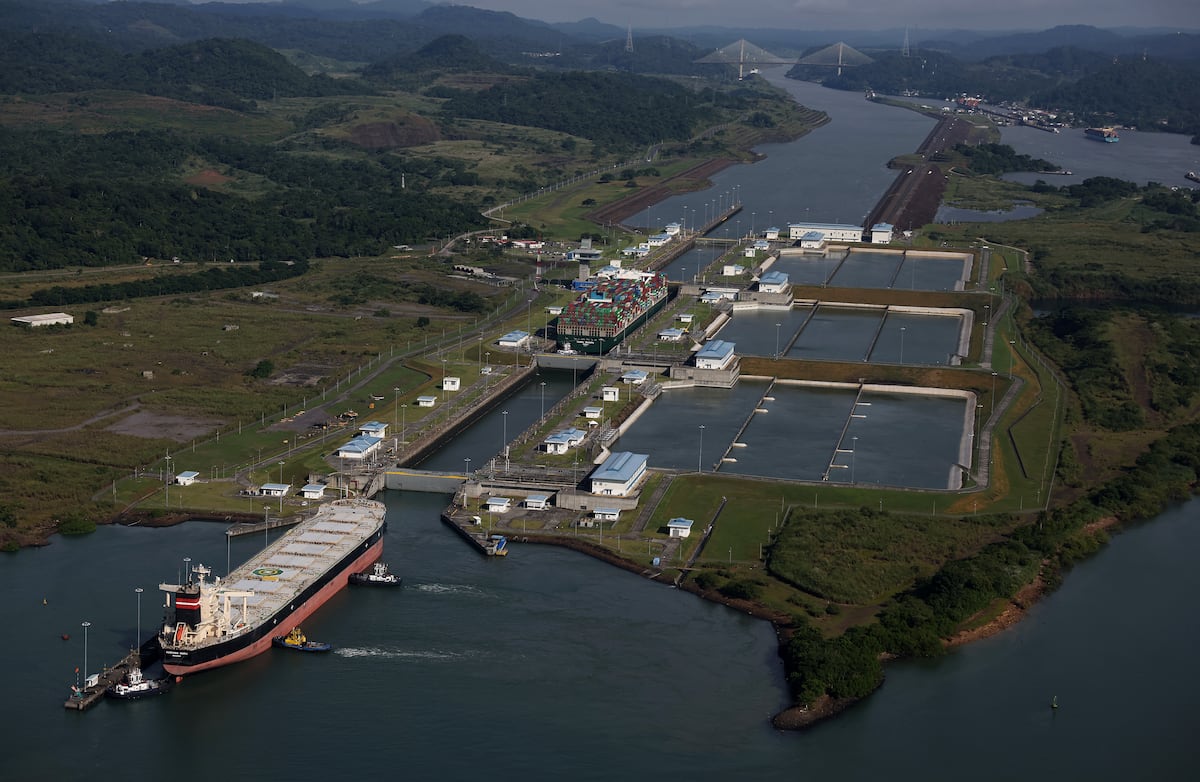
"It was not just another bombastic statement in the Republican's provocative style it was the first visible sign of a policy that once again places the region under U.S. oversight. Trump revived old interventionist instincts by interfering in Honduras's presidential election and threatening to cut aid to Central American governments as leverage to force them into agreements aimed at curbing migration."
"Wounds from U.S. interference still fester in Central America. Since the 19th century, the United States has turned the region into a priority of its foreign policy one subject to Washington's designs. The logic was always the same: protect economic, commercial, and geopolitical interests under the guise of hemispheric stability and security. In 1909, the U.S. intervened in Nicaragua to force the fall of president Jose Santos Zelaya, who was accused of challenging U.S. and European interests."
Recent U.S. actions have revived interventionist policies in Central America, including public questioning of Panama Canal control, interference in Honduras's election, and threats to cut aid to force migration agreements. Washington increasingly treats the isthmus as a backyard to control rather than an equal partner. Historical interventions include a 1909 U.S. intervention in Nicaragua that led to a U.S. Marines occupation from 1912 to 1933 and the installation of Anastasio Somoza García, beginning a violent family dictatorship. In 1954, a CIA-backed overthrow of Guatemala's Jacobo Arbenz triggered decades of violence. The Reagan administration funded the Contras in the 1980s.
Read at english.elpais.com
Unable to calculate read time
Collection
[
|
...
]