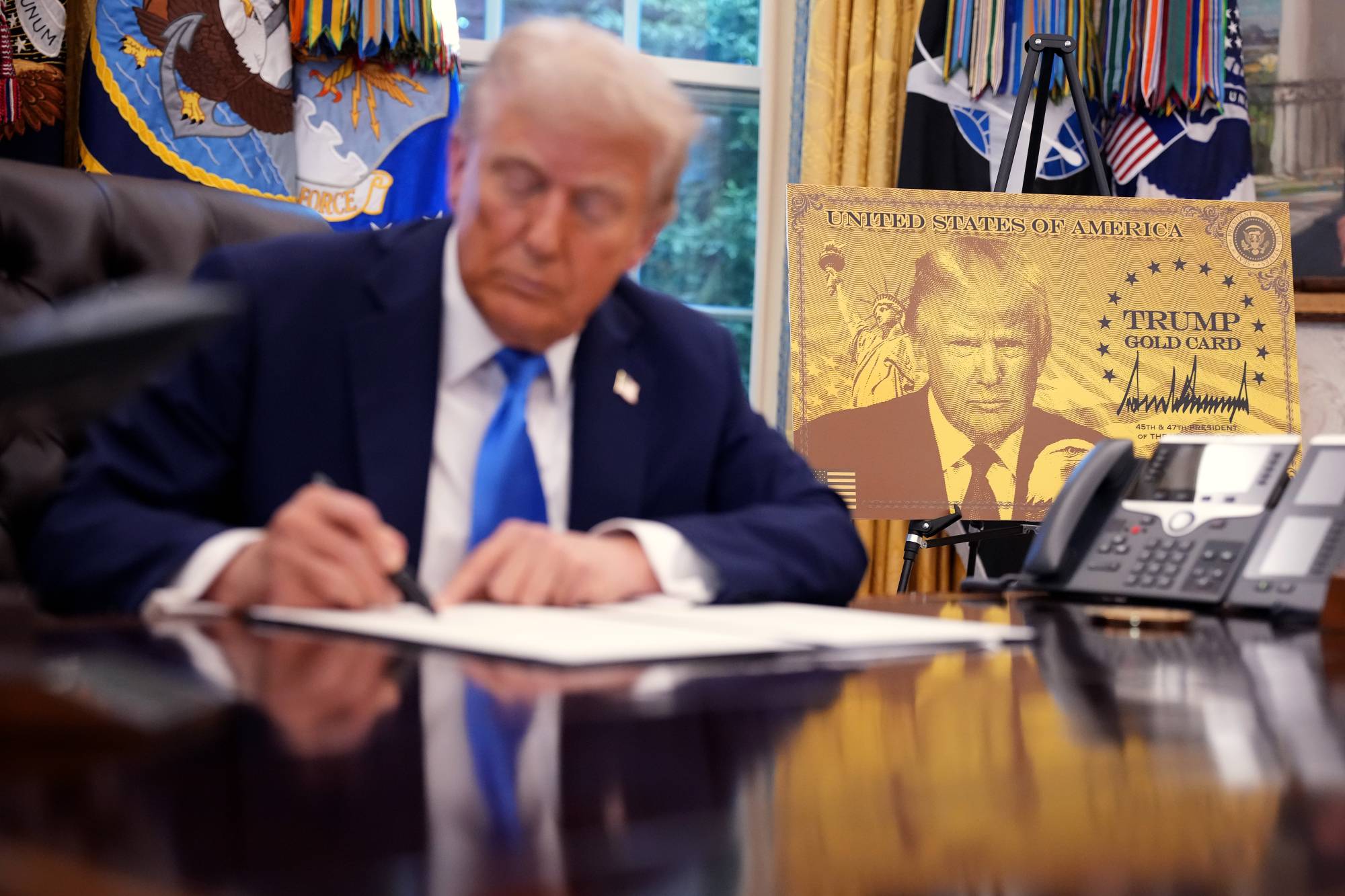
An executive order requires employers to pay $100,000 per H-1B petition, a sharp increase from the typical $2,000–$5,000 employer costs. The fee triggered immediate alarm among H-1B holders and HR teams, with reports of panic spreading in a flight cabin and urgent employer inquiries. Most H-1B visas are concentrated at major technology firms and in IT consulting and outsourcing firms. Existing visa caps and green card backlogs allow many H-1B holders to extend beyond six years while awaiting permanent residency. Hundreds of thousands of people are affected, and only cap-exempt institutions continue to file petitions under current conditions.
"On Sept. 19, panic struck an evening Emirates flight on the runway at SFO International Airport that was about to depart for India - as news spread in the cabin of President Donald Trump's executive order concerning H-1B visas. Trump's executive order had demanded companies pay $100,000 to supplement a single H-1B visa - a type of temporary visa category that allows employers to hire foreign workers in "specialty occupations" that usually require at least a bachelor's degree. Previously, companies usually paid around $2,000 to $5,000 per H-1B visa."
"On top of that, because of green card problems [and] backlogs, because there's a per-country cap, we have certain countries where H-1B holders can extend beyond that six-year limit because they're waiting for their green card. And that is a very large population. There are hundreds of thousands of people in that situation. Neumann: The first email I got was from an HR director saying, "Hey, our CEO is hearing something about a $100,000 fee. How is this going to impact us? Is this true?""
Read at Kqed
Unable to calculate read time
Collection
[
|
...
]