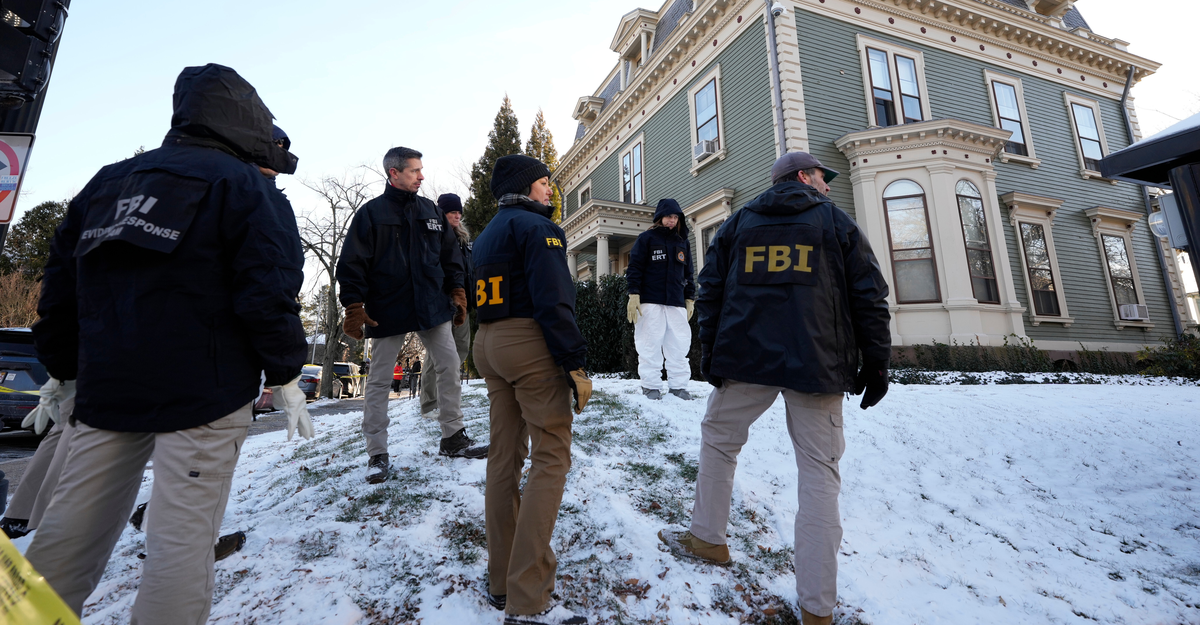
"The gunman who shot up a classroom on Brown University's campus on Saturday, killing two students and wounding nine others, has evaded capture for nearly a week. Because Americans have become culturally accustomed to police investigations that resolve at the breakneck speed of social-media-driven news cycles, this may feel to many like a distressingly long time. To some it is unacceptable, and suggests incompetence. But that is hardly the most likely explanation for the delay."
"Before I became a professor at Brown, I served as a police officer for 23 years, in New York City and Vermont, presiding over some challenging homicide investigations. In this most recent mass shooting, the public is getting a window into the type of grinding, unglamorous, and above all time-consuming detective work necessary when a suspect gets a lucky break."
A gunman attacked a classroom at Brown University, killing two students and wounding nine, and escaped capture for nearly a week. Public expectation of swift resolution is driven by social-media-paced news cycles, prompting some to see the delay as unacceptable or indicative of incompetence. Long experience in law enforcement shows many mass-shooting cases are quickly solved when attackers have personal ties, suicidal intent, are stopped on scene, or leave clear evidence. High national incidence of mass shootings increases the chance some attackers with unknown motives and preparation will successfully flee, lengthening detective work.
Read at The Atlantic
Unable to calculate read time
Collection
[
|
...
]