""We found that fewer than one in four patients remained on a GLP-1 medication after a year," says Dr. Jaime Almandoz, highlighting the low adherence rates among patients using these drugs."
""Many times obesity treatment is framed as a limited duration intervention that once people get to a weight goal or percentage of weight reduction, that then treatment can be discontinued," Almandoz argues, emphasizing outdated perceptions of treatment duration."
""Seventy-four percent of lapsers say that they are likely or very likely to come back onto a GLP-1," says Leigh O'Donnell, indicating a strong intent among those who discontinue the medication to restart."
""The barriers to use and reuse are getting so low that it's a little hard to project," O'Donnell notes, reflecting the rapid changes in consumer behavior regarding GLP-1 medications."
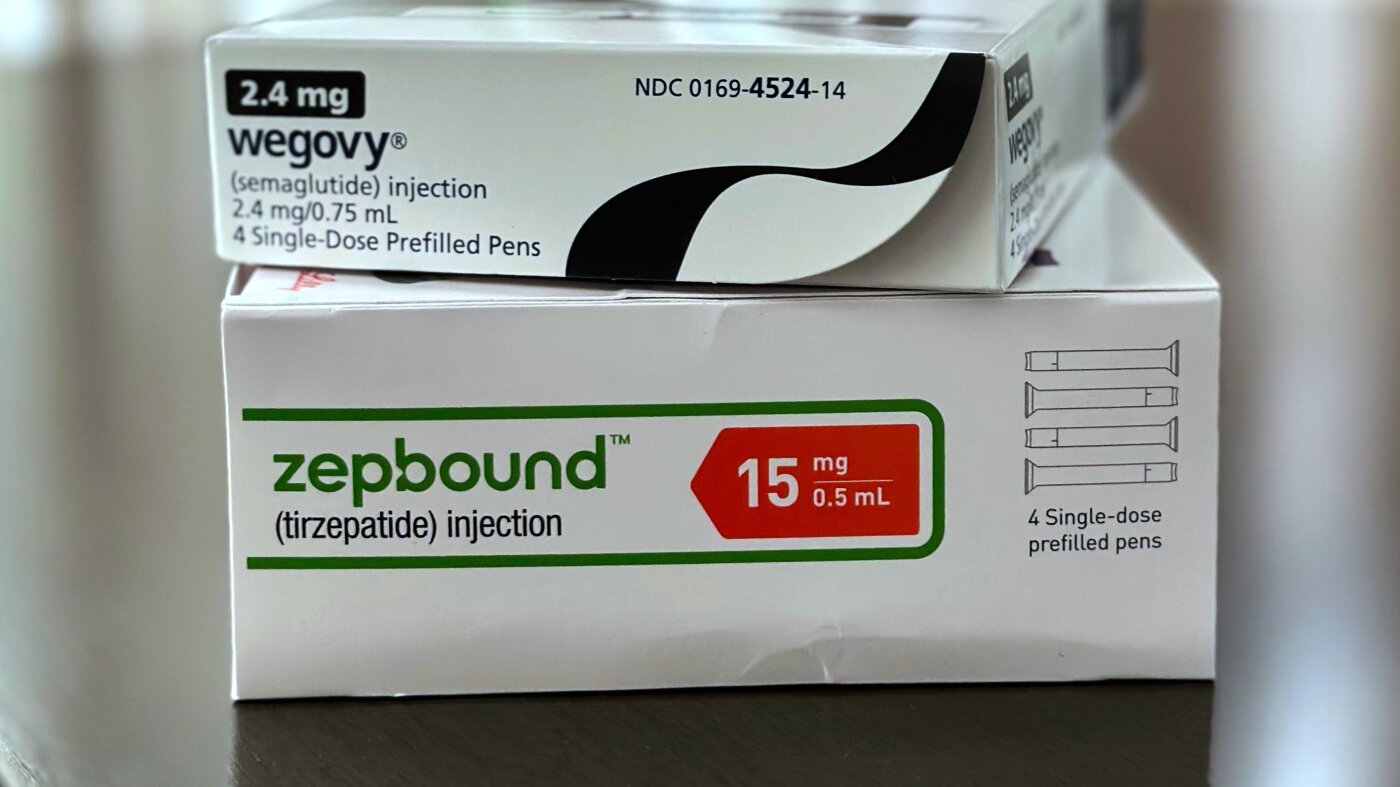
GLP-1 drugs such as Ozempic and Zepbound are intended for lifelong use in treating diabetes and obesity. However, fewer than one in four patients remain on these medications after a year. Reasons for discontinuation include cost, loss of insurance, and side effects. Despite quitting, many patients express intentions to restart. Consumer behavior is changing rapidly, with more affordable options emerging. Research on the health effects of intermittent use is limited, but weight regain after stopping GLP-1s is typically faster than with other diet methods.
Read at www.npr.org
Unable to calculate read time
Collection
[
|
...
]