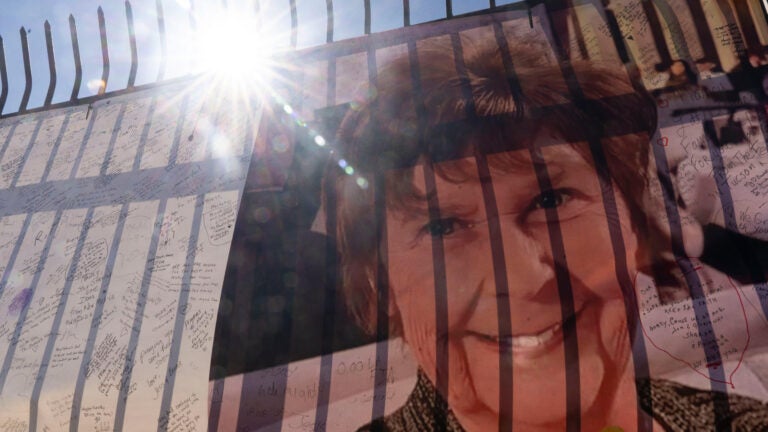
"They're frozen in their grief. They have a real sense of helplessness. There's no clear resolution from it. We know from research that ambiguous loss is the most psychologically painful kind of loss because of that."
"Pino and the Guthries are experiencing what experts call ambiguous loss. A loved one has disappeared, making it maddeningly mysterious and possibly permanent. Abductions, runaways, certain natural disasters and war can fit the category. So, too, can dementia when family members become strangers."
"I could see in their faces that they want answers. What's the next step? What can we do? It's how I feel. There are no answers. I just pray for them and the other people who are missing."
Ambiguous loss occurs when a person disappears without clear resolution, leaving families in prolonged grief and helplessness. This type of loss encompasses abductions, runaways, certain disasters, war, and dementia. Families experiencing ambiguous loss remain frozen in grief with no answers or closure. Lynette Pino's son has been missing for nearly 18 years, and she relates to the Guthrie family's experience with Nancy Guthrie's disappearance. Research shows ambiguous loss is the most psychologically painful form of loss. Experts like Tai Mendenhall and pioneer Pauline Boss have studied this phenomenon, which gained attention after 9/11 and Vietnam War cases.
Read at Boston.com
Unable to calculate read time
Collection
[
|
...
]