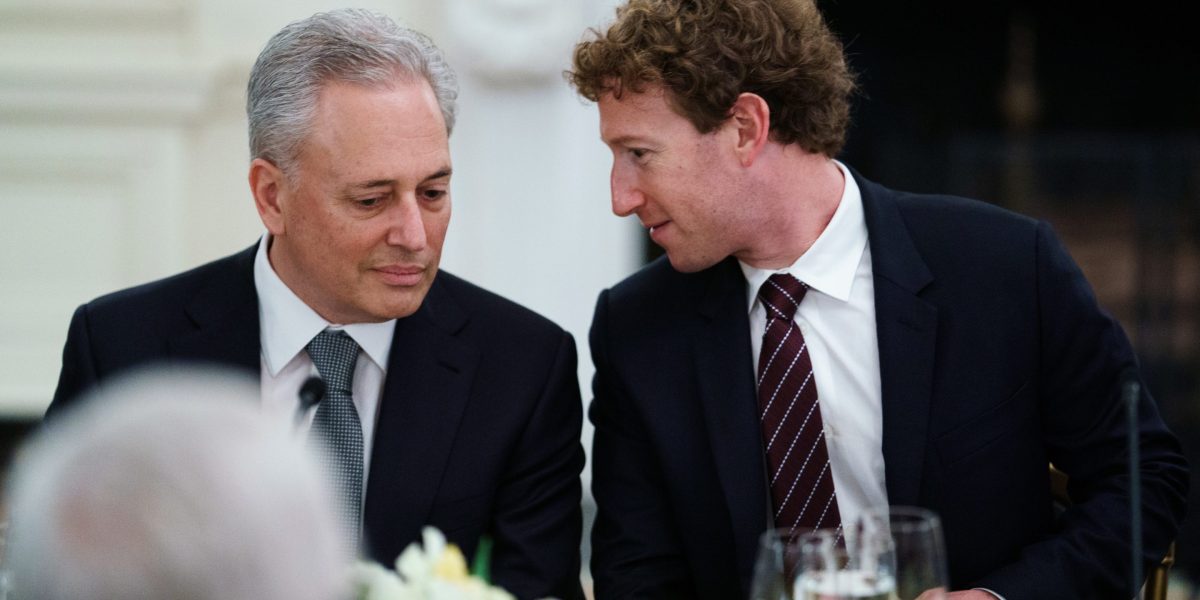
An executive order on AI signing was indefinitely postponed despite technology executives traveling to the White House for the ceremony. Trump said he did not like certain aspects and believed the order could get in the way of leading China and leading others. The proposed order would have allowed AI companies to voluntarily submit advanced models to national security agencies for testing and vetting up to 90 days before release. Government departments and agencies negotiated the language for weeks, and leading AI companies were briefed. Anthropic and OpenAI indicated support for the voluntary vetting system. The order followed Anthropic’s Mythos model debut, which has unprecedented cyber capabilities and was voluntarily limited due to concerns about misuse against critical infrastructure. David Sacks led a last-minute lobbying effort to derail signing, with calls also reportedly made by Elon Musk and Mark Zuckerberg.
"Trump suddenly decided to indefinitely postpone signing an Executive Order on AI, even as technology company executives he had invited to be present at the White House for the signing were traveling to Washington for the ceremony. "I didn't like certain aspects of it," Trump explained to reporters at the White House on Thursday morning. "I think it gets in the way of-we're leading China. We're leading everybody, and I don't want to do anything that's going to get in the way of that.""
"The order would have created a system in which AI companies could voluntarily submit their most advanced models to key national security agencies for testing and vetting up to 90 days prior to releasing them. Officials from multiple government departments and agencies had spent weeks negotiating over the executive order's language, and leading AI companies had been briefed on its content. At least two of those companies, Anthropic and OpenAI, had indicated they were in favor of the voluntary vetting system."
"The executive order was under consideration following the debut of Anthropic's Mythos model, which possesses unprecedented cyber capabilities. The AI company has voluntarily limited Mythos' release out of concern that those capabilities, if widely shared, could help hackers to launch devastating cyber attacks against critical infrastructure. But David Sacks, the Silicon Valley venture capitalist who stepped down in late March as Trump's AI and crypto czar, successfully mounted a last-ditch lobbying effort to derail the order's signing."
"Sacks called Trump on Thursday to express his concerns, according to press accounts. The campaign also included similar calls to Trump from Elon Musk and Mark Zuckerberg, both of whom are developing advanced AI models. There were also, reportedly, efforts to convince "
Read at Fortune
Unable to calculate read time
Collection
[
|
...
]