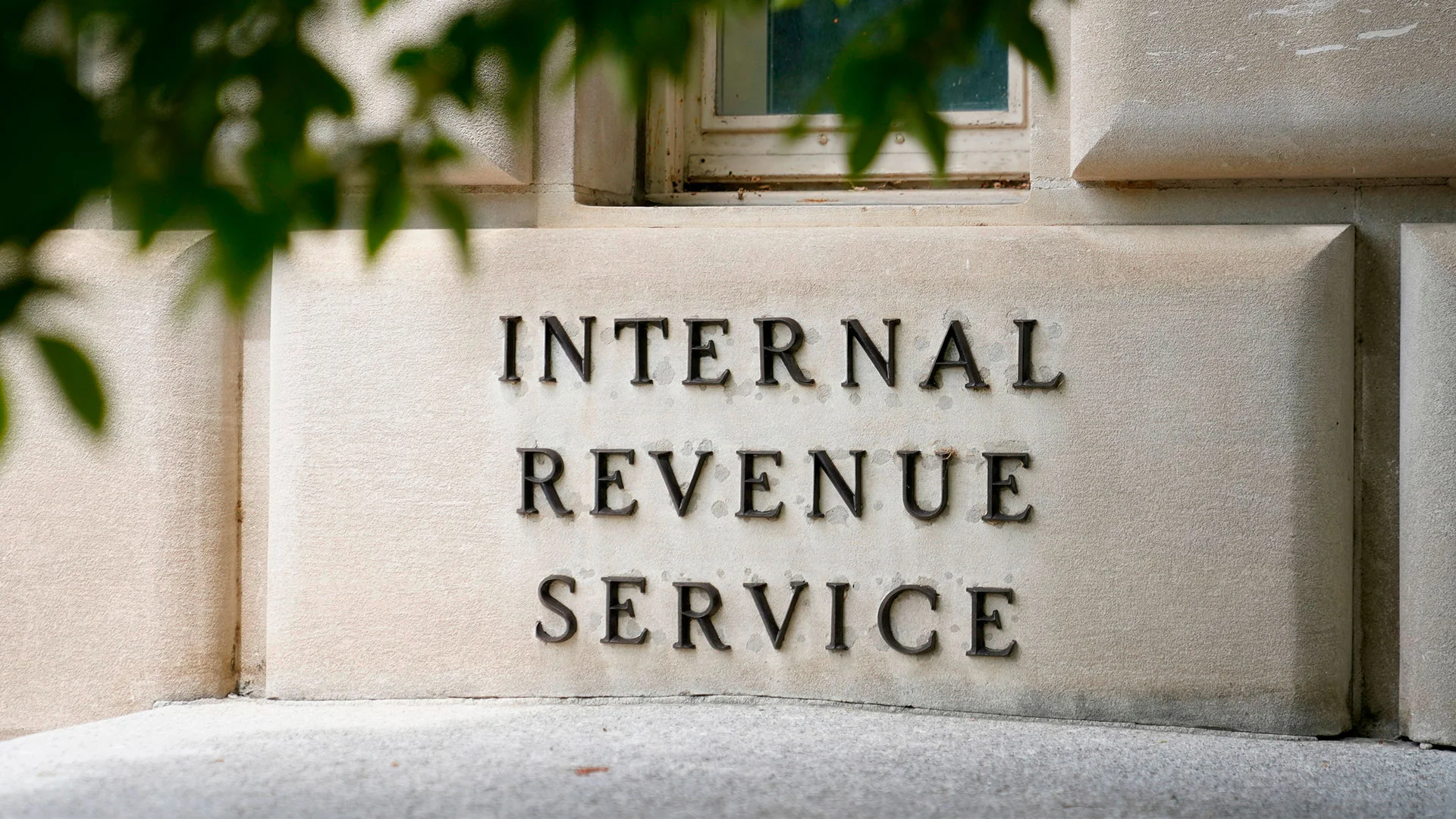
The IRS agreed to drop pending probes into whether Donald Trump paid his fair share of federal taxes after settling a lawsuit he brought over a leak of his tax returns. The settlement could include an ongoing audit tied to a tax-avoidance technique reportedly used years earlier, potentially involving an estimated $100 million liability. Trump denied wrongdoing and criticized the IRS investigation as politically motivated without providing proof. Details of audits are not public, making it difficult to assess the merits. The resolution was described as highly unusual because Trump sued the IRS, an agency within his own executive branch, and the agency then granted him immunity. The settlement bars the U.S. from examining or prosecuting Trump, his sons, and the Trump Organization’s current tax filings, raising concerns about fairness and public confidence.
"Under the settlement to resolve Trump's $10 billion lawsuit over the 2018 leak of his tax returns to The New York Times, the U.S. is "forever barred and precluded" from examining or prosecuting Trump, his sons and the Trump Organization's current tax filings, according to a one-page document released Tuesday. That was quietly added to an original settlement establishing a $1.8 billion fund to compensate people whom Trump thinks were improperly investigated by the government."
"Trump sued the IRS, a federal agency within his administration, putting him in the unusual position of challenging an agency overseen by the executive branch he leads - a rare move, experts say, and possibly unprecedented. Then that agency decided, in another unusual move, to grant him immunity."
"Details of IRS audits are not public and the merits of each side's arguments are impossible to tell. But the way the president's case against his own government's IRS was resolved is highly unusual, experts say. Trump has repeatedly denied he did anything wrong and has blasted the IRS investigation as politically motivated, without providing proof."
"Tax experts say this grant of immunity is shocking in the breadth of protection it offers the president and could undermine confidence in the fairness of the tax system. The immunity deal could include, assuming it was ongoing, a long-standing audit into a technique Trump reportedly used to avoid paying taxes years ago that could have hit him with an estimated $100 million bill if the IRS found wrongdoing."
Read at Fast Company
Unable to calculate read time
Collection
[
|
...
]