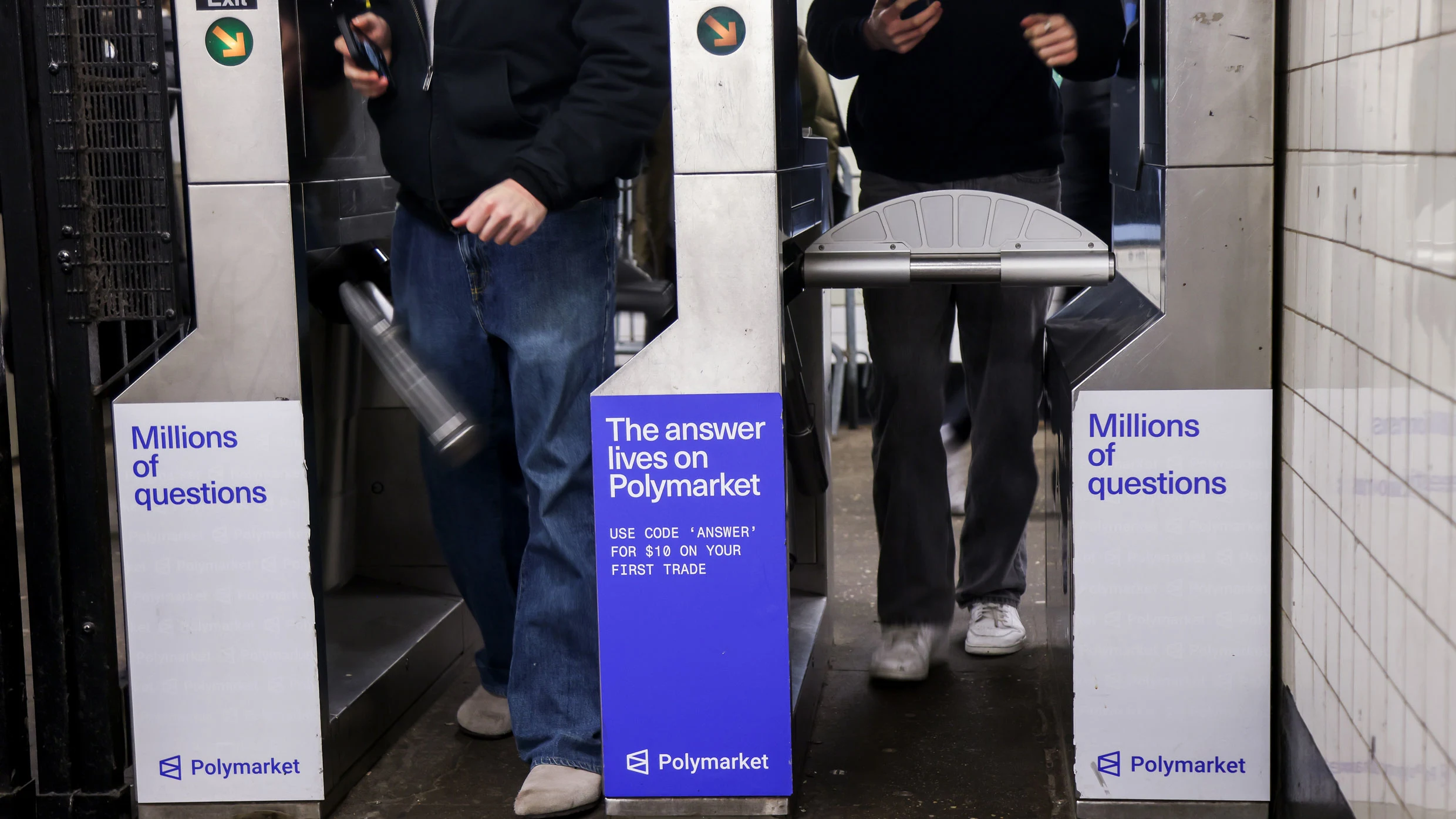
Prediction markets such as Polymarket have generated hundreds of millions in wagers on geopolitical events, including U.S.-Israel strikes on Iran and Venezuelan political developments. However, investigations reveal concerning patterns where major winners created accounts shortly before events and possessed apparent advance knowledge. Legal experts argue these platforms use politically charged events as marketing strategies while their core revenue derives from sports betting. Governments have responded by arresting individuals suspected of insider trading, including Israeli military reservists. Companies like OpenAI have also terminated employees caught placing bets using confidential employment information, highlighting systemic vulnerabilities in market integrity and the potential for information asymmetries to be exploited.
"They allow you to make money directly on real-world events in a way that has not been done before. Lockhart believes that the prediction markets are using real-world events—from the words President Donald Trump might say in his State of the Union speech to the time and date of when the attacks on Iran would take place—as little more than a 'marketing strategy.'"
"The Israeli government said last month it had arrested military reservists for allegedly aiming to profit off of insider information about when the country would launch attacks. It's not just in politics and warfare that suspicious activity is happening: OpenAI recently let go of an employee for placing bets on Kalshi using information they had by dint of being employed by the AI company."
Read at Fast Company
Unable to calculate read time
Collection
[
|
...
]