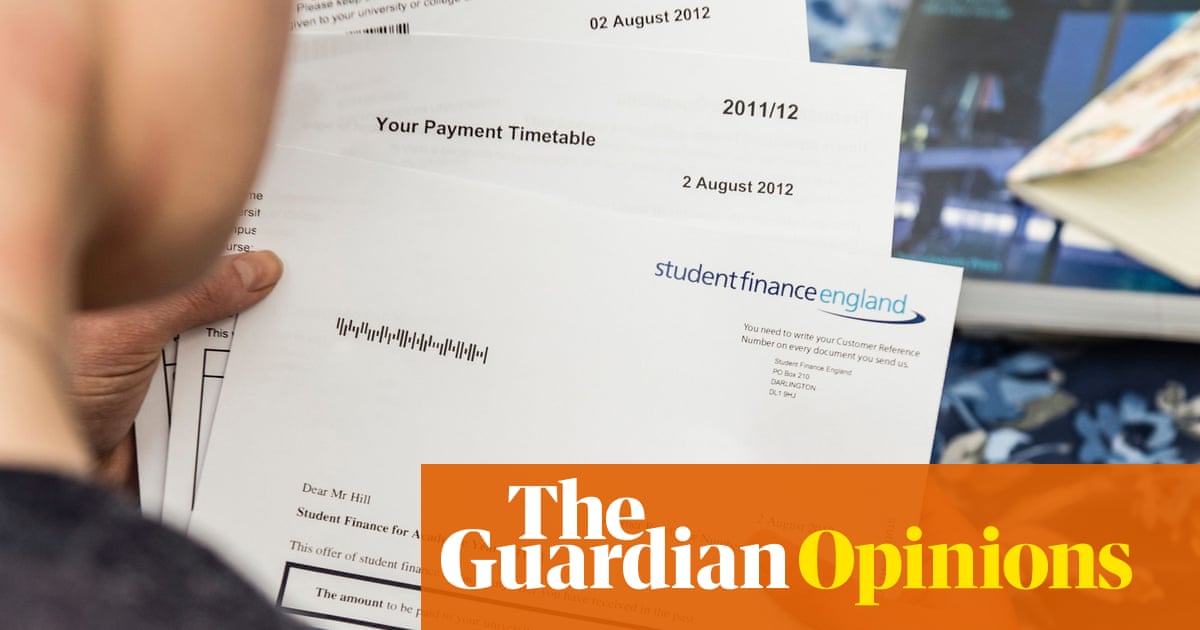
"The personal finance expert Martin Lewis upbraided the chancellor, Rachel Reeves, for freezing the threshold at which millions of graduates repay their loans, saying that this was treating student debts like tax. He was right, and Ms Reeves's defence last weekend made his case for him. She argued that her decision would help to fund a reduction in patient waiting lists."
"For a plan 2 graduate, every pound earned between 30,000 and 50,000 already faces 20% income tax, 8% national insurance and 9% loan repayment a 37% marginal rate. Freezing the plan 2 threshold, as Ms Reeves proposes from 2027, penalises these graduates by holding down the point at which repayments begin (roughly 30,000), so that as wages rise, a growing share of their income faces the 9% charge. This ensures more income is taxed at 37% for longer as incomes go up."
Freezing the repayment threshold for student loans treats student debt like a tax and cannot simultaneously free funds to finance public services. Plan 2 covers roughly 6 million people who entered university in England and Wales between 2012 and July 2023. For plan 2 graduates, every pound earned between £30,000 and £50,000 already faces 20% income tax, 8% national insurance and a 9% loan repayment, creating a 37% marginal rate. Holding the threshold near £30,000 as wages rise pushes more income into the 9% repayment band, lengthening exposure to the 37% marginal rate. The Institute for Fiscal Studies describes the measure as indistinguishable from a tax rise. Less than a third of full-time undergraduates in 2022–23 are expected to repay all their loans, and average graduate debt in England reached £53,000, up 10% in a year.
Read at www.theguardian.com
Unable to calculate read time
Collection
[
|
...
]